
Plant Ecology
About Us
Australia has one of the most extraordinary and distinctive floras on Earth, shaped by fire, profoundly low soil nutrients and interactions with our own unique fauna as pollinators and herbivores. But plants don’t just define our natural landscapes. They underpin our agricultural and horticultural systems, our food security and ecosystem services we rely on.
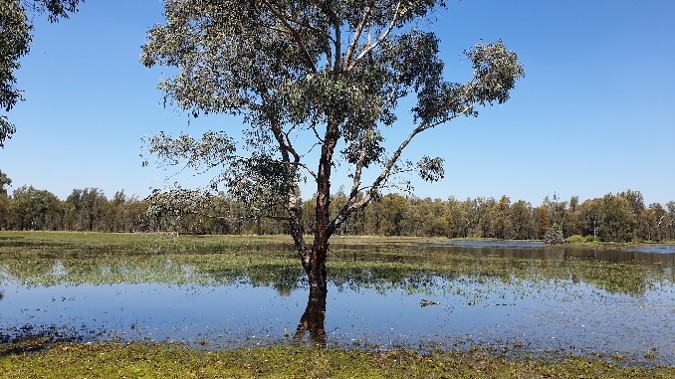
Plant ecology at UNE explores the processes, interactions, and pressures that shape Australian vegetation across the full spectrum, from ancient rainforest remnants and fire-adapted woodlands to riparian zones, cropping systems and managed landscapes. We work at scales from individual plant traits to landscape-level dynamics and from natural ecosystems to agricultural and horticultural production systems.
We welcome students with a curiosity about Australian plants and the ecological forces that shape them. Whether your interest is in fieldwork, functional ecology, conservation, or plant-animal interactions — get in touch and let's talk about what's possible. Dr David Perović – pollination ecology, plant–animal interactions, and community ecology Dr Adrienne Burns – environmental monitoring, ecosystem function, aquatic–terrestrial ecotones, and microbial community dynamics Dr Sapphire McMullan-Fisher –fungal and cryptogam ecology, and interactions, conservation, and invasive species Assocate Professor Rose Andrew – plant demography in threatened species and ecological communities
