Animal Science and Systems
Our goal is to 'save the planet and feed the world'.
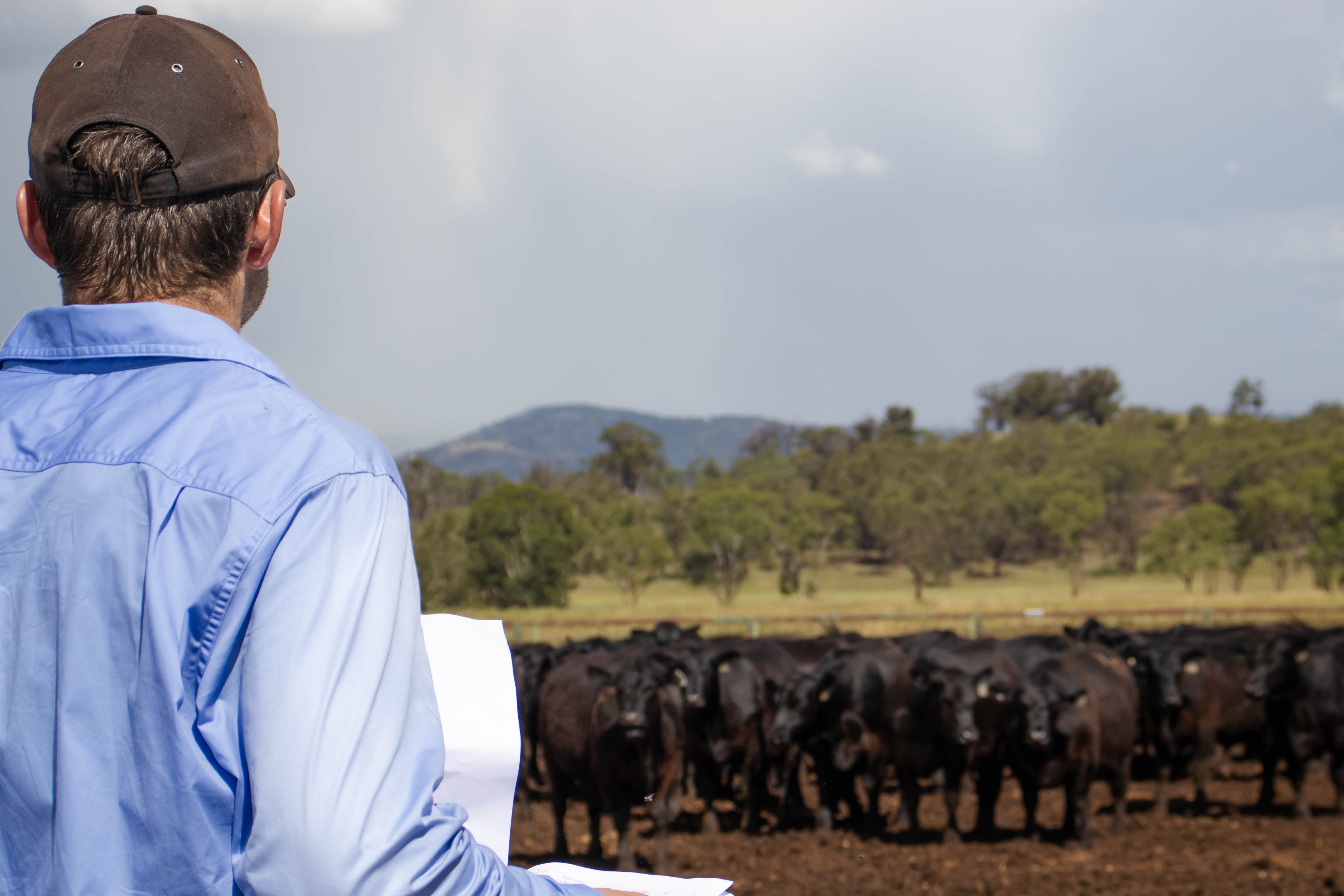
The Animal Science group consists of leading academics and researchers working collaboratively across a range of research groups to address challenges around production of food and fibre from animals, and to develop efficient and sustainable animal production systems. Our honours and postgraduate research students are embedded within and make valuable contributions to our diverse research programs highly supported by industry funding.
We support domestic and international research students and early career researchers to build knowledge and capacity. We use word class UNE facilities such as the Centre for Animal Research and Teaching (CART) and the UNE field rural properties and SMART farms. Our team is uniquely placed in rural Australia with access to modern farms, advanced precision technology, information resources, genomic facilities and international partnerships to innovative with research to tackle the local to global challenges of today.
Research Focus
Ruminant Nutrition
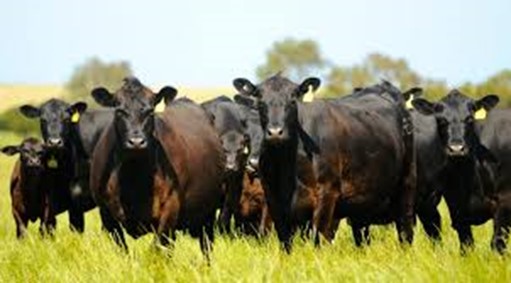
Livestock industries globally need to make continuous productivity gains to remain competitive and meet growing demand for animal products. Improvement of feed efficiency has re-emerged as a key industry objective for all livestock species and there is a global awareness that livestock have significant impacts on carbon emissions. Understanding, managing and mitigating impacts is a key focus of our research.
Integrated health and welfare
Animal health and welfare are key issues that constrain production and limit efficiency and sustainability of livestock production. This sub-theme creates a focus on ways in which genetics, nutrition, disease control and behavior of animals can be managed to improve animal well-being in livestock and companion animals.
Genetics
The genetic improvement of animals and plants has a very large impact on the productivity and efficiency of agricultural production systems. Nowadays, valuable animal protein and fiber is produced with many less resources than a few decades ago. This enables a more sustainable food production with healthier animals, a lower environmental footprint and a more viable rural industry.
Livestock and product quality
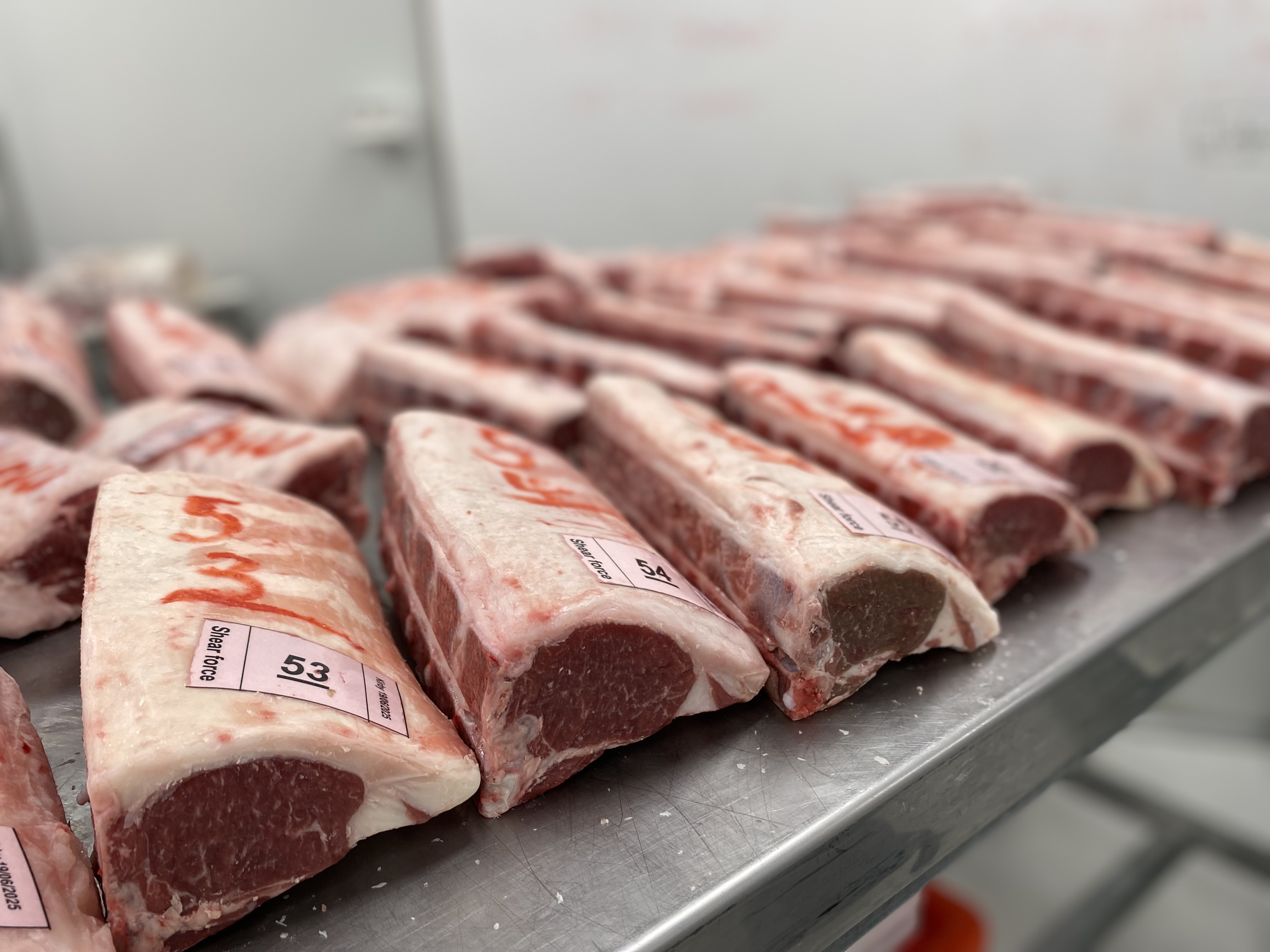
A key driver of consumption of animal product in Western cultures is associated with product quality. This sub-theme focuses on ways in which quality of meat and wool can be manipulated/improved including basic genetics, nutrition, physiology as well as management strategies.
Poultry Health and Nutrition
Efficient and sustainable production of eggs and meat from the poultry industry depends on finetuning their nutrition with their production and genetic potential, whereby gut health, animal welfare and food safety are important aspects of the production systems.
The Poultry Research and Teaching Unit at UNE is conducting teaching and research on poultry nutrition, production, gut health welfare and food safety. UNE poultry is the world leader in the research areas of: The group also has an excellent track record on amino acid nutrition and metabolism, bacterial and virus disease, broiler earlier nutrition, layer nutrition and production, poultry welfare and behaviour, and procession feeding. Our research in genetics at UNE covers many areas of genetic analysis and applications. The UNE Ruminant Research Group is focused on three main objectives: Our scientific staff, post-doctoral researchers and higher degree research students work on a diverse range of projects along with industry and government collaborators. The University of New England's Meat Science team is at the forefront of global red meat research, driving innovation that connects paddock to plate. Led by Professor Peter McGilchrist and Dr Emma Lynch, our team conducts world-class research spanning livestock genetics, carcase evaluation, meat quality assessment, technology development and consumer preferences.Research groups