
The Phoenix Project
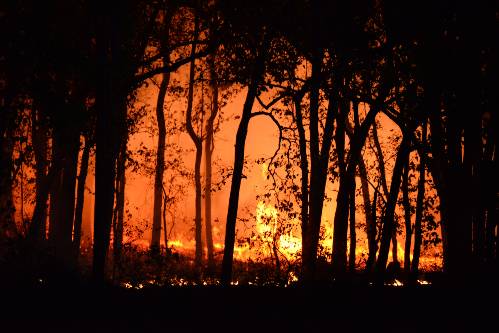
The Phoenix Project is an initiative designed to support the mental health and resilience of rural communities affected by the devastating 2019–2020 bushfires, often referred to as the "Black Summer." Recognizing the profound emotional toll of such disasters, the project aimed to help communities not only recover but also prepare for future challenges. Led by the University of New England, the Phoenix Project adapted an international program called the Community-Based Disaster Mental Health Intervention (CBDMHI) to fit the unique needs of rural Australian communities. This approach emphasises community involvement, ensuring that recovery and preparedness strategies are grounded in local experiences and strengths. The project began by engaging directly with community members to understand their specific needs and preferences. Based on this feedback, a tailored program was developed and implemented in a rural community in Northern New South Wales. The program focused on: We found that the program was successful in improving preparedness, resilience and wellbeing. Importantly, those who took part found the program to be highly acceptable and helpful. In particular, results showed:
Final Project Report
The final report and framework can be accessed below:-
Other Resources
Phoenix Project Manual
Publications
JMIR publication - A Community Health Integrated Disaster Preparedness Intervention
Funding
This project was funded by the Black Summer Recovery Grant Scheme ($320,000).
What now?
Building on the success of the Phoenix Project, we are expanding the community-based mental health initiative under the new name Equip. Starting in 2026, Equip will be rolled out across nine rural communities in New South Wales, South Australia, and Western Australia. The program aims to enhance community resilience and preparedness for environmental challenges such as bushfires, floods, and droughts. Equip focuses on upskilling community members, ensuring that the knowledge and skills gained remain within the communities themselves. This approach not only supports recovery from past disasters but also strengthens the capacity of communities to face future challenges. For more information about the Equip program, please visit the official Equip page: Equip project
Project Team
A/Prof Suzie Cosh
Prof Amy Lykins
A/Prof Phil Tully
A/Prof Warren Bartik
Dr Kylie Rice
A/Prof Clara Murray
Dr Caitlin Pike
Ms Joanne Robinson
Project Partners
Dr Courtney Walton-Mitchell, Director, Public Health Preparedness and Disaster Response Certificate, Colorado School of Public Health
Supporting partners
Bushfire Recovery, Hunter and New England Primary Health Network
Australian Psychological Society, New England Northwest
Practical Health Consulting
