Reptile Ecology and Environmental Disturbance (REED)
About Us
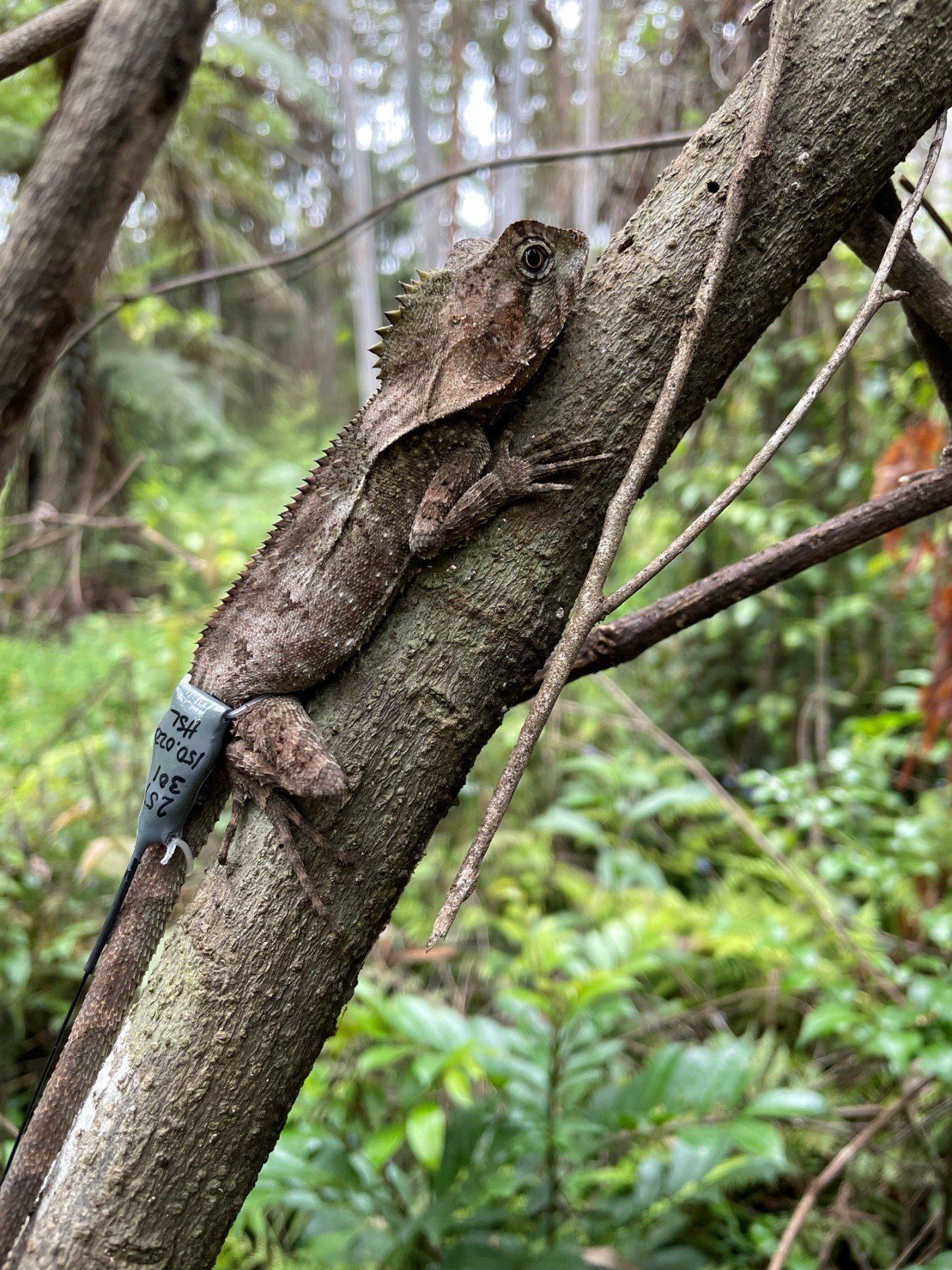
The Reptile Ecology and Environmental Disturbance Lab investigates how environmental changes, from renewable energy infrastructure to agricultural practices, affect wildlife communities, particularly reptile species. We integrate field surveys, microclimate monitoring, and experimental approaches to understand and mitigate impacts of human-driven landscape change. By developing evidence-based guidelines and monitoring tools, we translate ecological knowledge into practical solutions for sustainable land management and nature-positive development.
We welcome PhD, Masters, and Honours students interested in applied ecology, reptile biology, renewable energy sustainability, freshwater turtle conservation, or wildlife ecology. Projects typically combine field-based research, data analysis, and stakeholder collaboration. Students gain hands-on experience with field and laboratory techniques, data collection and experimental design, and emerging. Prospective students should contact A/Prof Eric Nordberg (see below) with a brief outline of research interests, academic background, and career goals. We encourage applications from students with diverse backgrounds and are committed to fostering inclusive, supportive research environments. Associate Professor Eric Nordberg – email: Eric.Nordberg@une.edu.au https://sites.google.com/view/ericjnordberg/home?authuser=0 Instagram: Nordberg_reed_lab