It took Rebecca Skehan decades to find what she was capable of.
“Being an archaeologist or historian was all I ever wanted to be,” she says.
“My parents identified this early on and fostered this love,” she says. “They’d buy me the old Reader’s Digest magazines that featured new archaeological finds, and I just devoured those. I’d call my aunt on the phone, who was an ancient history teacher, and talk about Egyptian or Roman history for hours.”
But she started to doubt her ability when she found she didn’t learn like other people.
“I kind of spent most of my teens just wondering why I didn’t get things the way other people got things,” she says. “And there were things I would fixate on and was very good at. So it was just this confusing thing.
“School was just a really big battle. I saw myself as someone who simply couldn’t study and I resigned myself to a different path.”
After struggling through Year 12, Bec took up a hairdressing apprenticeship and eventually founded a boutique salon in Brisbane. After selling in 2013, she followed a family legacy into creative pursuits: fine art, graphic design, and developing a thriving vintage reproduction fashion line.
But when her vintage fashion line folded, she was left wondering what to do next.
“It was the catalyst I needed to finally pursue the path I thought was always out of reach. Despite my serious self-doubts, my husband really encouraged me to just do what I loved – for me, that meant history.” Through a bit of trial-and-error, she found UNE.
Though she’d always gravitated to ancient history, she fell in love with medieval and early modern European history during her first UNE units, and her path forward was set.
But the biggest change was finally obtaining a diagnosis for her neurodivergence. The penny dropped as she had been seeking educational support for her youngest daughter.
I went 40 years of my life without having the vocabulary to understand how my brain interpreted and understood information. Suddenly, I had the clarity I needed to advocate for myself.
That, she says, changed everything. Studying part-time and with the right support, she has excelled at UNE.
“The support I found at the Student Accessibility and Wellbeing Office was a game-changer. I found there were some incredible academic staff who were willing to work to my strengths and abilities. I found mentors who inspired me to think critically and push beyond what I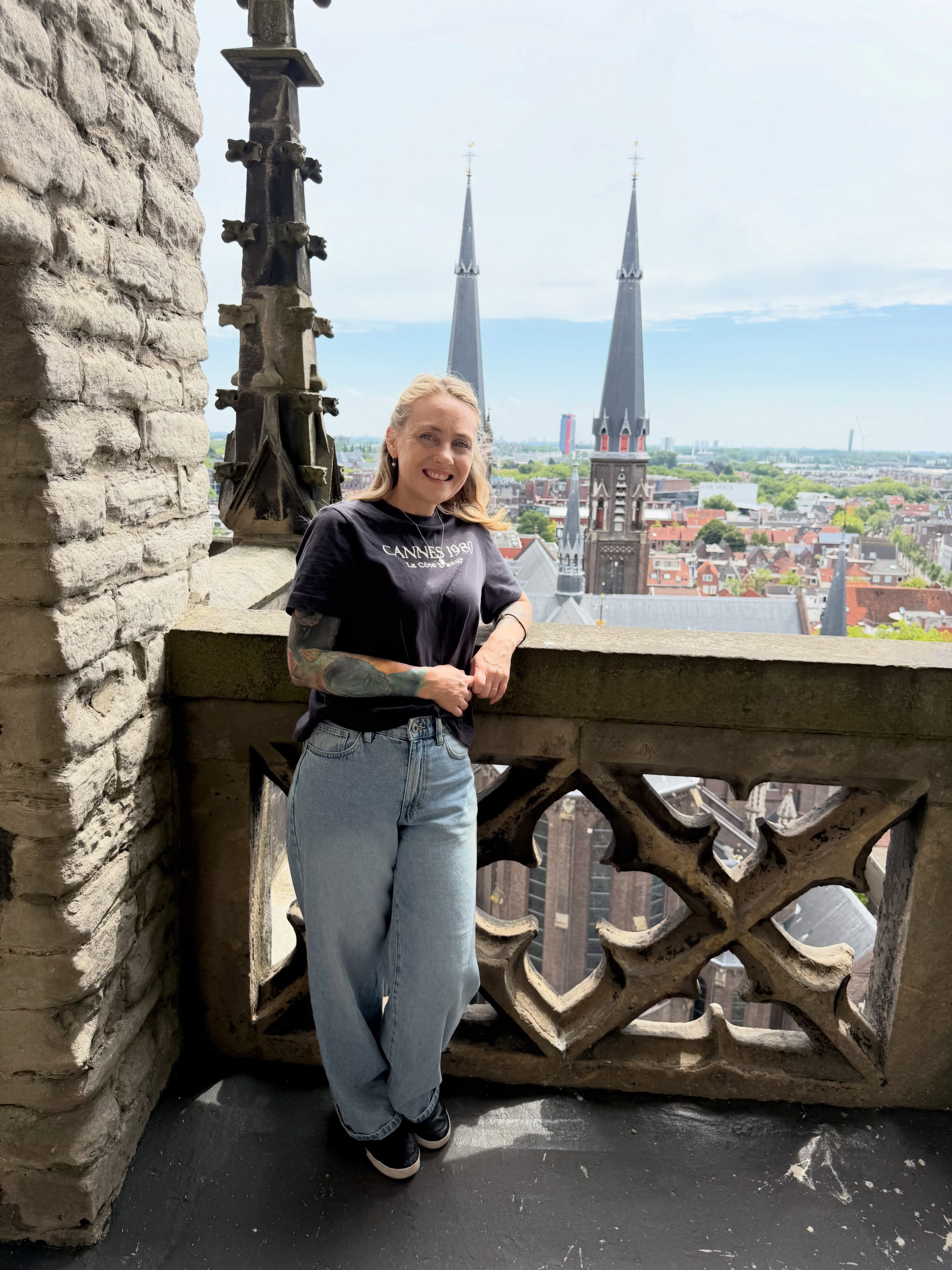 thought I could achieve.
“Professor Fudge’s on-campus medieval and early modern European history intensives were an absolute highlight; I was terrified to attend my first intensive, but after day one I was hooked. I have met the most incredible people who have become dear friends.”
In her final year, Bec even stepped into the role of a PASS (Peer Assisted Study Sessions) Leader, helping other students navigate challenging units.
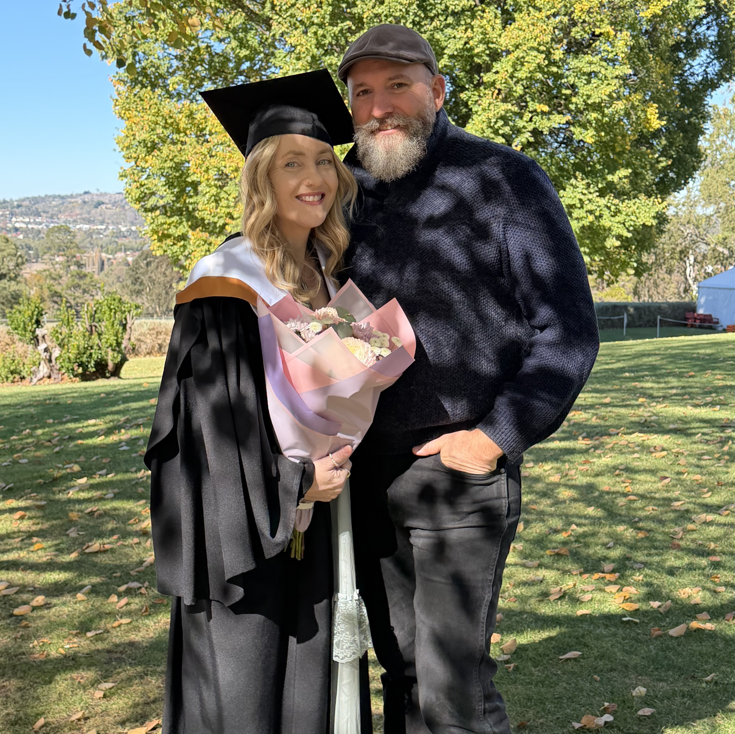
She graduated with her Bachelor of Historical Inquiry and Practice in May 2026, bagging a couple of awards for high achievement, and is now completing her Honours degree researching a witch trial cluster in the Netherlands, even visiting the Netherlands to view historical documents with her own eyes. She has already set her sights on a PhD.
“Never in a million years would I have believed I could achieve my degree, let alone enter into Honours!” she says.
I’m really proud of myself that I’ve come this far, and I don’t plan on stopping any time soon.
“I am a testament that with the right support and a whole lot of perseverance, anyone can achieve their goals.”


