
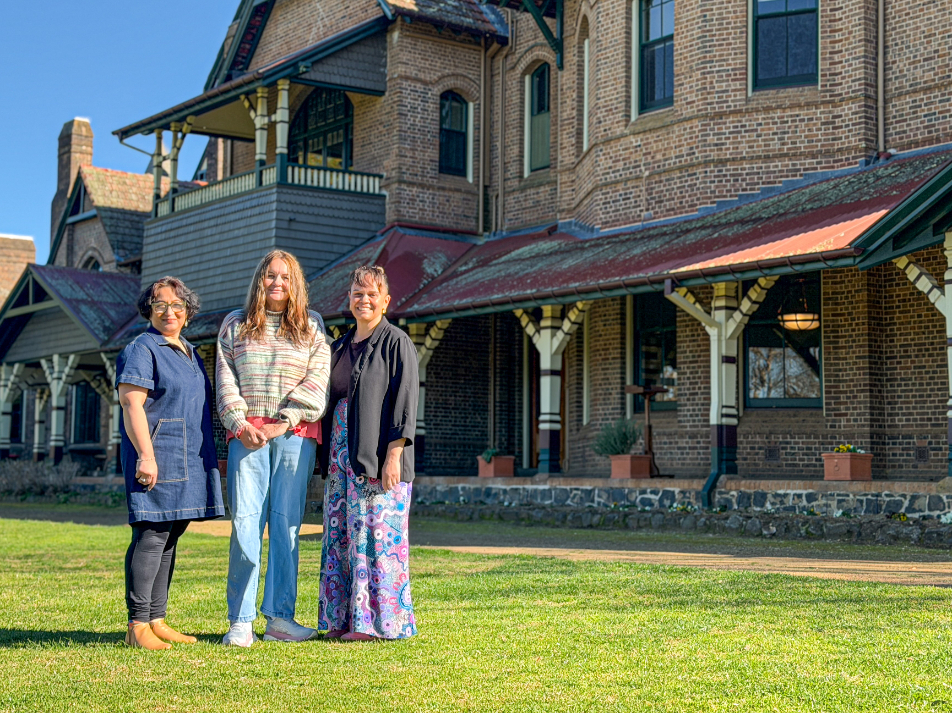
The impacts of diet on how First Nations women experience menopause are being explored for the first time in regional, remote and rural NSW, aiming to close the significant gap in our current understanding of Indigenous women’s health.
Led by Dr Mansi Singh and Ms Traci Travers from the University of New England (UNE), the research team will investigate the role diet plays in symptom severity and the long-term health outcomes associated with the menopausal transition.
“First Nations women in Australia carry a disproportionate burden of chronic disease, such as cardiovascular disease, type 2 diabetes and metabolic syndrome, many of which are exacerbated during and after the menopausal transition,” says Dr Singh.
“Nutrition during this period can either buffer or compound these risks, yet there is virtually no culturally-specific dietary guidance available.”
The research team will work with First Nations women living in regional NSW to better understand whether their distinct metabolic profiles, dietary patterns and cultural food practices play a role in menopause symptoms.
First Nations women in Australia carry a disproportionate burden of chronic disease, such as cardiovascular disease, type 2 diabetes and metabolic syndrome, many of which are exacerbated during and after the menopausal transition.
“We do not know how the transition from traditional to Westernised diets, which has occurred rapidly in many communities, has affected the menopausal experience,” says Dr Singh.
“We do not know whether traditional bush tucker foods contain phytoestrogenic compounds, and we do not know which foods First Nations women themselves identify as helpful or not during menopause. This research will shed light on all of these questions.”
It is hoped the findings will help to improve diet-related decision-making and lead to a more tailored approach to Indigenous healthcare.
The study is also expected to pave the way for larger trials in the future.
“The findings will strengthen our understanding of Indigenous nutrition culture, providing the potential to support the development of culturally appropriate, accessible nutritional guidelines for First Nations women going through menopause.”
The research is expected to conclude in early 2027.
If you're interested in participating in this research, find out more here.


