

If you’ve ever spent a long day on your feet, you’ll know what a big difference a good pair of shoes can make.
So, why do we often favour the aesthetics of footwear over functionality, and what long-term impact is this having on our feet?
With poor foot health shown to significantly reduce quality of life as we age, University of New England (UNE) PhD student Christiaan Cumming is working with industry partner Sole Mechanics to find a solution.
“We often don't think about our feet unless something's going wrong, and it's very easy for that to happen when we're constantly putting our feet into the wrong footwear,” says Christiaan.
“If we neglect our feet, put them into footwear that doesn’t fit, or overload them with too much movement, we can end up with foot deformities.
“Through my project I will explore the way foot load interacts with different measures of the foot, and specifically, we're going to be looking into how physical activity changes this.”
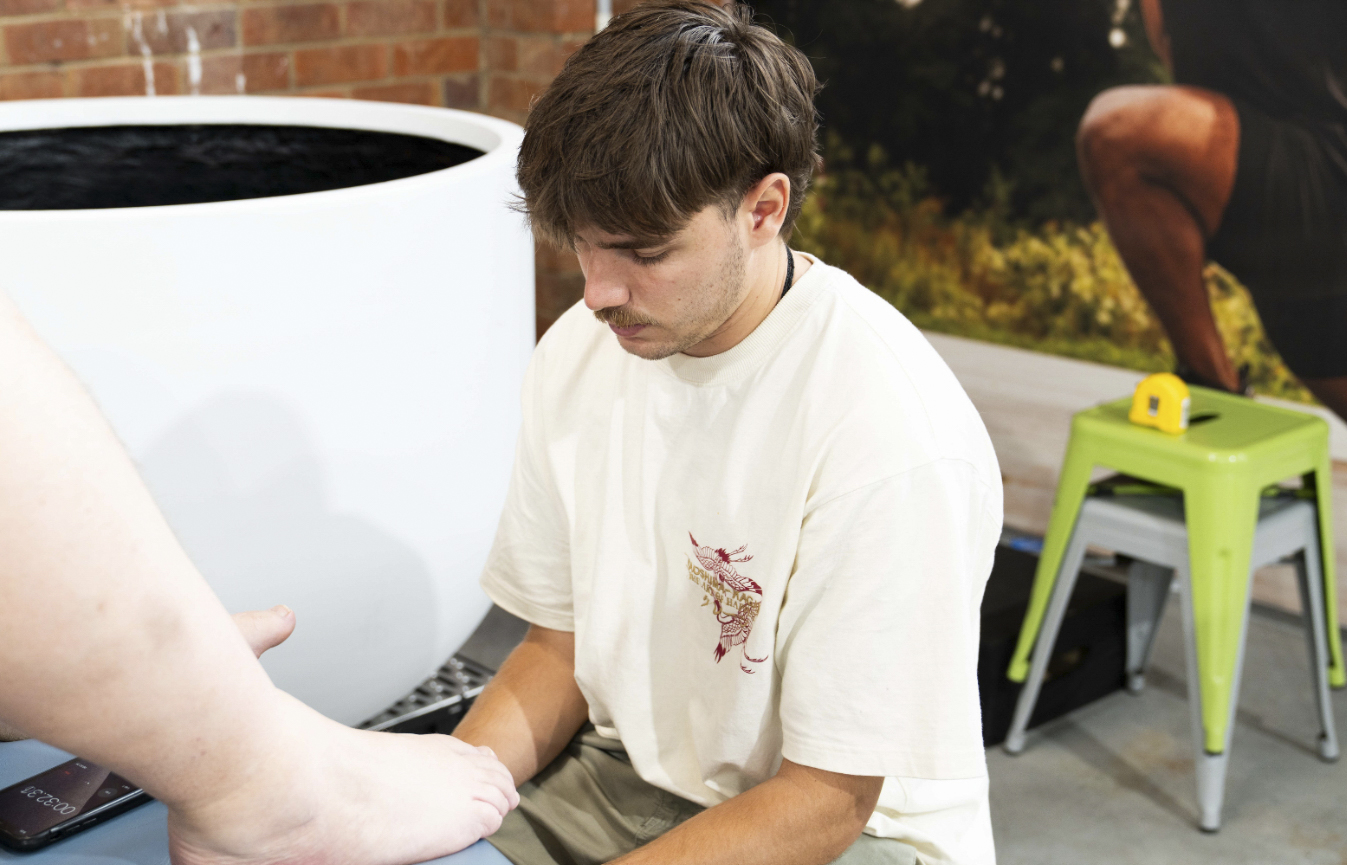
As a runner, Christiaan has experienced firsthand the impacts of neglecting to properly care for your feet during high-intensity exercise.
However, it isn’t a problem that’s unique to athletes, with poor foot health impacting people from all walks of life.
Because of this, Christiaan will look at how different lifestyles and physical activity levels influence feet, with his findings set to inform clinical assessment and support future research into cumulative loading, adaptation, and pathology.
“If we take an office worker who's sitting down for eight hours and compare them to a nurse who's walking around for twelve hours a day, are their feet going to be the same, and should they require the same level of foot strength?” Christiaan asks.
“What if we compare that to a marathon runner who's running 200 kilometres plus every single week for decades? This is the question we’re hoping to find an answer to.”
Christiaan will do this by collaborating with Sole Mechanics in Brisbane and Melbourne to conduct a large-scale observational study that will look at a range of foot types and levels of foot pain.
They’ll then test participants’ different levels of foot strength, balance, and overall foot function.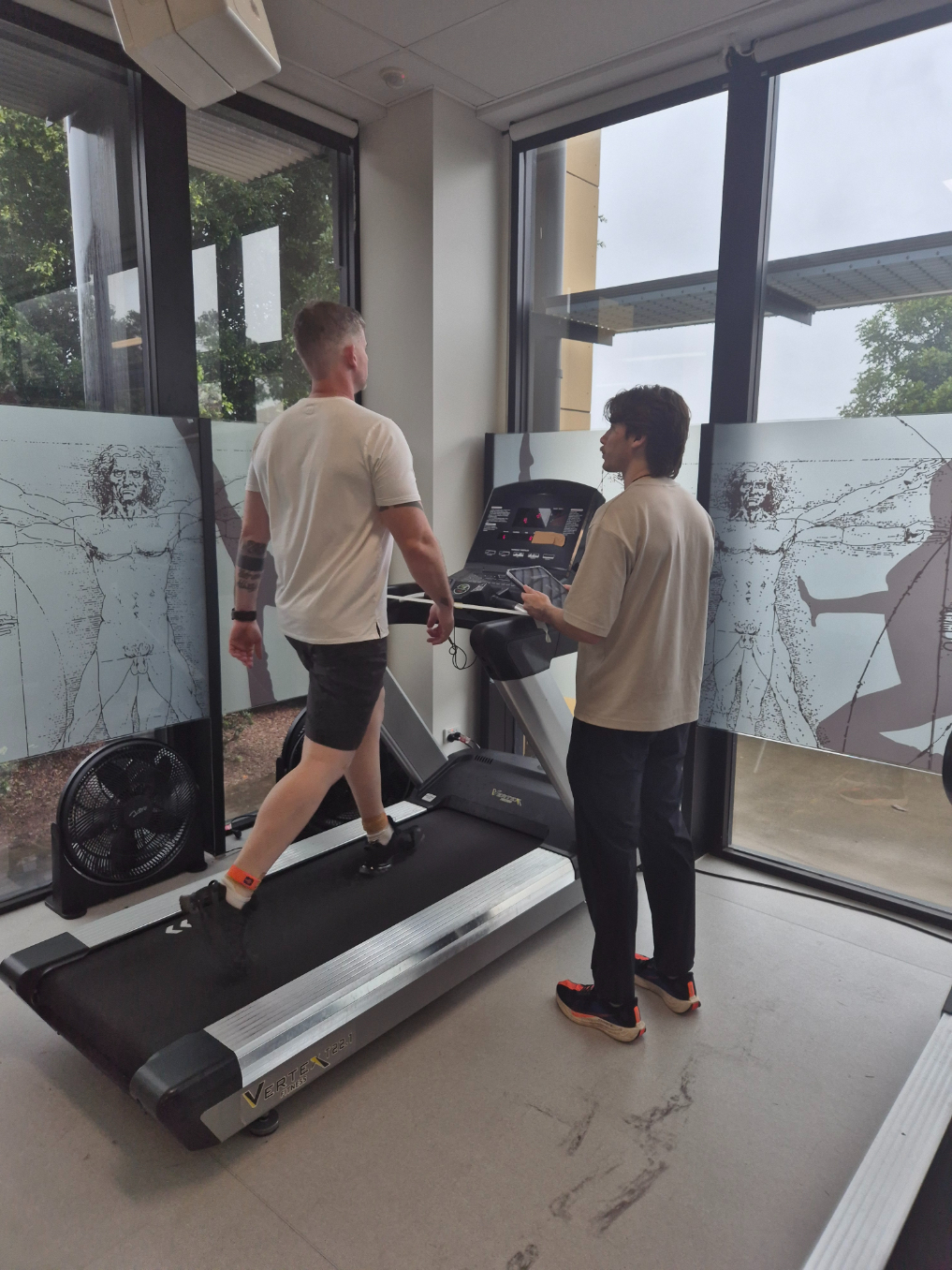
“We're capturing measures of who they are, their anthropometrics, and their footwear habits, such as what they're wearing when they're going for a run versus what they wear when they're going for a walk,” says Christiaan.
“Along with their self-reported foot health, we'll be capturing measures of their foot structure using a 3D foot scan along with a range of functional capacity tests, such as toe flexion strength.”
Once this data is collected, the research team will compare healthy and pain-free feet with painful and dysfunctional feet to determine the level of strength and physical activity needed for a healthy foot.
“Working with Sole Mechanics will allow us to test this research in the real world and work with the everyday people, so we can have an impact that will actually matter to the general public,” he says.
Christiaan’s research is currently underway with findings expected in 2028.


