Dr Ann Waters-Bayer - 2026 Distinguished Alumni Award
In recognition of her distinguished global leadership in rangeland stewardship and her pioneering impact on participatory agricultural research and advocacy for pastoralist communities worldwide.
She has devoted her career to advancing rangeland stewardship and pastoralist communities worldwide, demonstrating the importance of involving farmers themselves in the research so critical to their future. And a large part of this work has centred on elevating the voices and achievements of women toiling in some of Africa’s toughest environments.
Canadian-born Ann, herself, was considered “underutilised” when she joined her husband Dr Wolfgang Bayer in late 1981 in central Nigeria as socio-economist* in a research team attached to the International Centre for Livestock in Africa. The couple had already worked in rural Tanzania and Southern Sudan after Ann had met Wolfgang, diverted from her English/German literature and theatre studies to complete a Diploma in Agricultural Economics at UNE, and became intent on a research career in sustainable agricultural development.
“Wolfgang was specialising in tropical animal production, and I wanted to be able to work with him,” Ann says. “My studies in agricultural economics and sociology at UNE involved excellent long-distance teaching [the pair was then based in Townsville, where Wolfgang did postdoctoral studies with CSIRO] and short, stimulating on-campus sessions. My thesis was on pastoral livestock production in Southern Sudan, where we had been in 1979.
“I got that job in Nigeria on the basis of my UNE diploma and thesis. I looked into the role of Fulani [an ethnic group in West Africa] women in dairying, which became the subject of my doctoral thesis. The UNE degree was my stepping stone to a doctorate in rural sociology, which laid the foundation for my career. The distance education offered by UNE – long before the time of Internet and online courses – opened for me a door to exploring a new path of learning and new forms of work of which I had never dreamed when I started my university education in Winnipeg back in 1967.”
In male-dominated livestock research teams that typically included specialists in veterinary science, crop and forage agronomy and animal nutrition, Ann brought a different, valuable perspective.
“They could reveal what happened physically in a livestock production system, but I could help reveal what knowledge, motivations and other social factors influenced decisions the livestock-keeping families made, how they organised themselves and interacted with others to access natural resources. I had deliberately studied agricultural economics and sociology at UNE to complement my husband’s technical specialisation. This allowed us to work together for decades in research, teaching and publications.”
As a researcher, advisor, facilitator, project planner or evaluator, Ann contributed to research and development projects in 27 countries in Africa and Asia, especially in Nigeria, Burkina Faso and Ethiopia. Her research and engagement stand to benefit millions of the world’s poorest land managers and their families.
Importantly, Ann championed participatory research that was mutually enriching instead of extractive – and sought to improve existing land-use systems.
“If outsiders (including external researchers and development agents) recognise the knowledge and initiatives of the local people and work with them to explore possibilities, we can learn from each other and positively influence future decision-making.
“In our work with small-scale crop and livestock farmers in Africa, we constantly had to challenge prevailing perceptions that the farmers were ‘backward’, ‘ignorant’ and ‘unwilling to modernise’. We needed to convince conventional scientists, policymakers and agricultural administrators that the existing ‘traditional’ farming systems are extremely well adapted to the local environment and are by no means static.
“Local people are innovating and incorporating new ideas in their own way, combining technological and social development and incorporating new information about, for example, climate change. An important outcome of participatory research is reinforcement of the pride and self-confidence of the farmers to choose and follow their own development paths.”
The awarding of the Frederic G. Renner Award to Ann and her colleagues Dr Maryam Niamir-Fuller and Dr Barbara Hutchinson this year by the Society for Range Management recognised their global work to raise awareness of the value of rangelands and pastoralists, including pastoralist knowledge and innovation. The trio were pivotal in a 20-year effort that culminated in the United Nations designating 2026 the International Year of Rangelands and Pastoralists (IYRP).
Ann also co-founded the IYRP Pastoralism and Gender Working Group, which creates space for pastoralist women all over the world. The Global Gathering of Pastoralist Women it organised in Nepal in August 2026, for example, led to the Kathmandu Declaration, which calls for world-wide pastoral practices to be properly valued and supported, especially the essential role of pastoral women. This was subsequently presented at the 17th Conference of Parties (COP17) to the United Nations Convention to Combat Desertification.
“Rangelands cover more than half the Earth’s land surface and mobile pastoralism is the most resource-efficient and nature-friendly way of producing food and other livestock products on those rangelands,” Ann says. “Yet this is the land and these are the people that are, globally speaking, least known and understood.
“When I started conducting agricultural research, men were in the majority, and many didn’t respect women’s work and views. In many discussions, especially at the international level, I was one of few women and sometimes the only woman.
“Most male researchers and policy-makers were ignorant of the role of women and girls in agriculture. This injustice obliged me to work on gender issues.”
A long-time mentor, Ann has shared her wealth of experiences in extremely challenging locations widely – experiences that are both informative and inspiring.
“Outsiders like me will never be able to master the deep knowledge and skills that local people possess in producing food. My husband and I learned to respect and admire this strength and to find ways to reinforce it.
“Research carried out in partnership with local people enables them to contribute to the research process, to internalise and act upon the shared research findings, and to identify obstacles to their wider application.”
By engaging grassroots women in research and sharing their perspectives at the highest levels Ann has celebrated the contributions of her many local collaborators. “I hope it has helped make their achievements and concerns known internationally.”
*Ann’s black-and-white photographs of daily life now serve as important historical records.
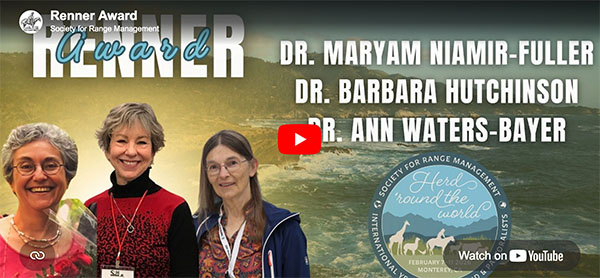
SRM Renner Award
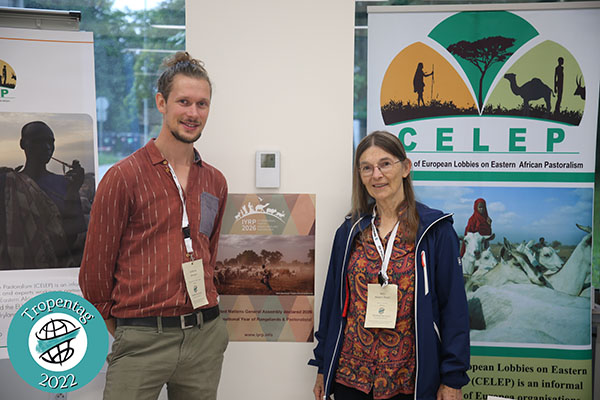
Ann with Anthony Denayer at Tropentag conference in Prague, Czechia. Photo Deutscher Tropentag.
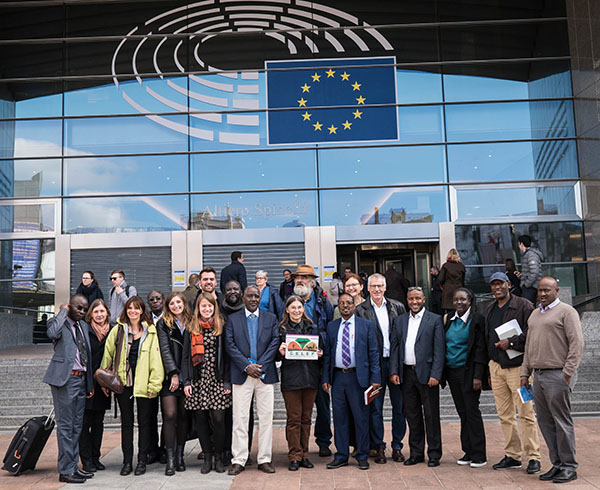
Ann with CELEP members lobbying European Parliament. Photo Petra Dillthey.
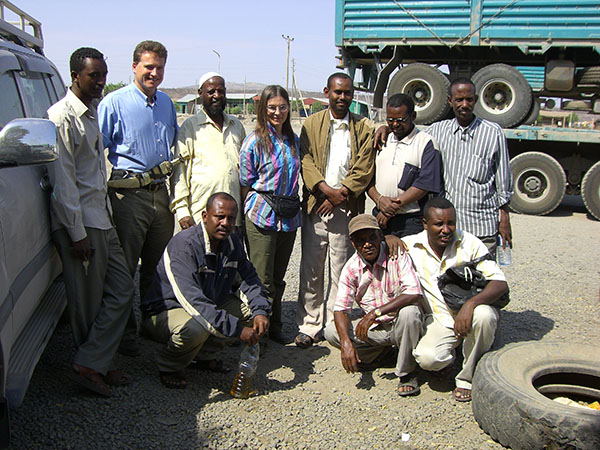
Ann on the World Bank advisory mission in Afar, Ethiopia.
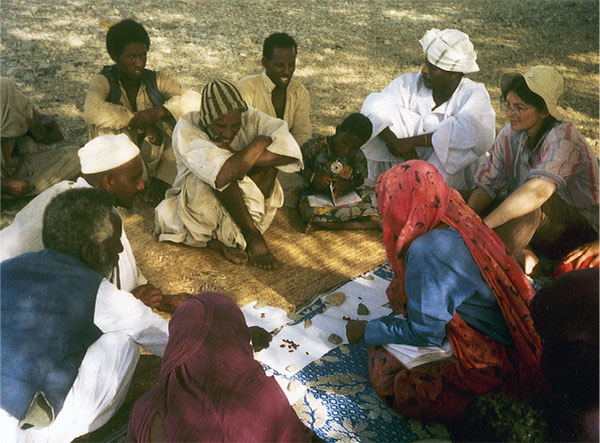
Ann in participatory evaluation of Beja pastorial project in Eastern Sudan. Photo Wolfgang Bayer.
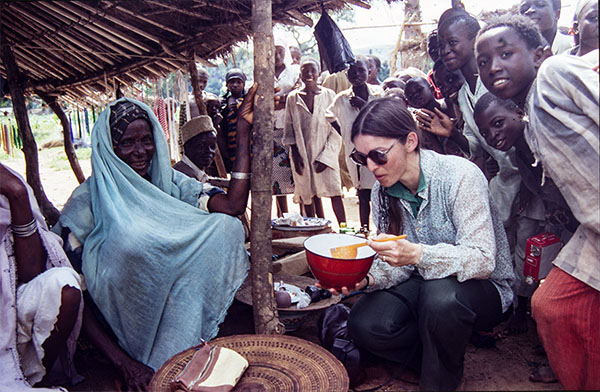
Ann interacting with Fulani women in central Nigeria. Photo Wolfgang Bayer.
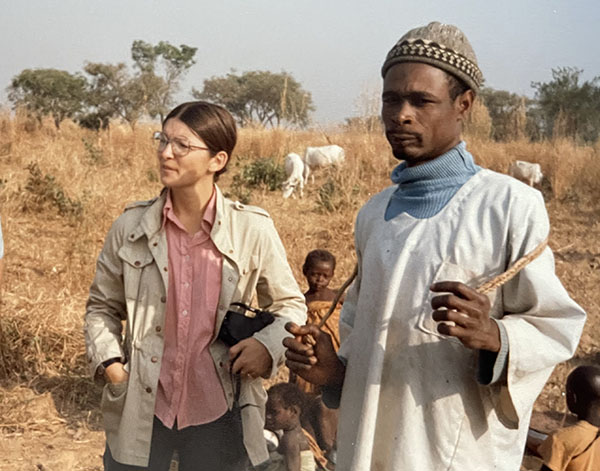
Ann and Fulani leader Dawobe Abayin observing cattle in Madauchi, Nigeria. Photo Ellen Taylor-Powell.
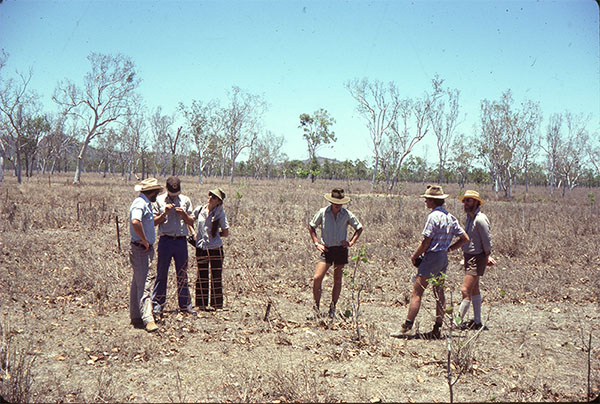
Ann with pastoralists and researchers in Northern Australia. Photo Wolfgang Bayer
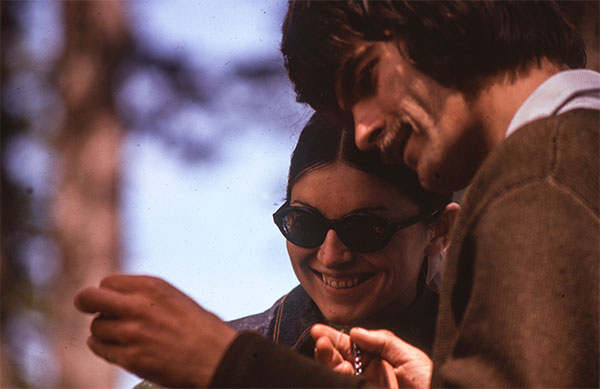
Ann Waters-Bayer with husband Wolfgang Bayer. Photo Ulrich Bayer.


