
As weight-loss drugs soar in popularity across the globe, cost, access, and side effects can remain significant barriers for those who need them most.
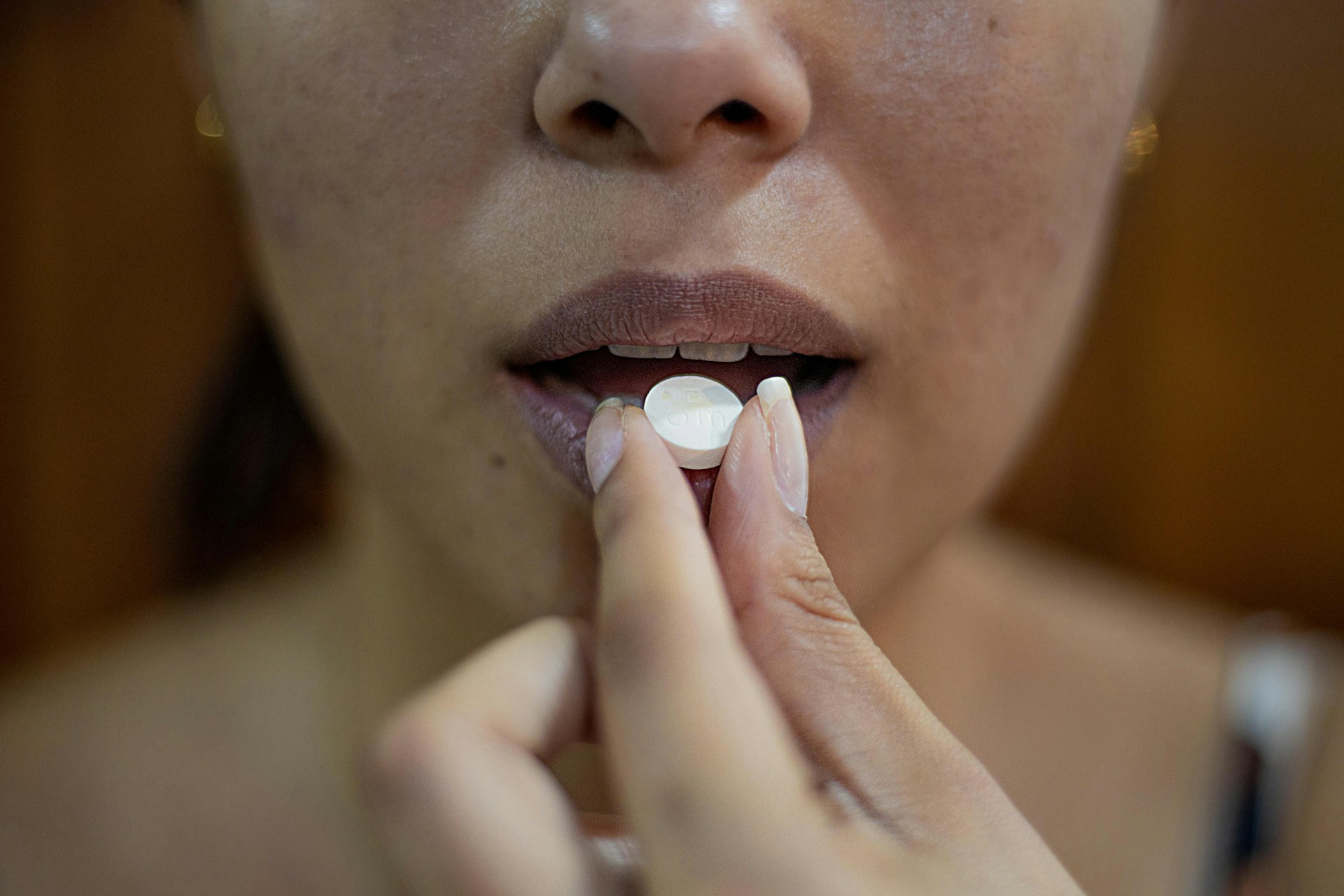
To address this, the University of New England (UNE) has teamed up with partners at the Birla Institute of Technology (BIT) Mesra in India and the National University of Singapore (NUS) to create an affordable, oral alternative.
“Current drugs such as Orlistat, which blocks fat absorption, often cause stomach problems, and newer injectable drugs like Liraglutide (GLP-1 agonists) are very expensive for most people and need to be kept cold and given by injection,” says UNE’s lead researcher, Dr Nitin Chitranshi from the School of Science and Technology.
“This oral, small-molecule drug is designed to be stable at room temperature and affordable, offering an alternative to costly injectable treatments.”
With obesity impacting more than 650 million people worldwide, the project represents a multidisciplinary international effort to tackle one of the most significant health challenges of the 21st century.
UNE’s role in the project will be to test the drug using its state-of-the-art facilities at the Armidale campus, while also studying the neurological effects, in particular, the link between metabolism and eye health.
By creating an anti-obesity drug that also protects nerves, we may develop a treatment that prevents vision loss caused by obesity, which is a serious but often ignored problem.
“Long-term obesity can cause fat-related damage to sensitive tissues like the retina. By creating an anti-obesity drug that also protects nerves, we may develop a treatment that prevents vision loss caused by obesity, which is a serious but often ignored problem.”
This new pill will use natural compounds to reduce fat absorption, burn energy, and regulate fat cell formation, providing a multi-target approach that will separate it from current drugs on the market.
“Our solution is to use a natural product based on Pongamol, a flavonoid found in the Pongamia pinnata tree,” says Dr Chitranshi.
“Natural compounds like this are often easier for the body to handle, as many synthetic anti-obesity drugs have been taken off the market because they caused harmful effects on the heart or mental health.”
Over the next two years, the researchers will undertake complex computational modelling, development and testing.
Our research is relevant to real-world health problems, not just isolated lab results.
“UNE has the Olympus FV4000 super-resolution facility, which lets us see in detail how these drugs interact with fat droplets and cell transporters at a very small scale.
“We can link improvements in metabolic health to broader effects, such as protection of the nervous system. This means our research is relevant to real-world health problems, not just isolated lab results.”
Dr Chitranshi says this groundbreaking project cements UNE’s expertise in the field, and open doors for PhD students interested in this area of research. The collaborative element of the work will also help to build a lasting global network for drug discovery research.
This project is funded under the SPARC (Scheme for Promotion of Academic and Research Collaboration) and is expected to be complete in 2028.


