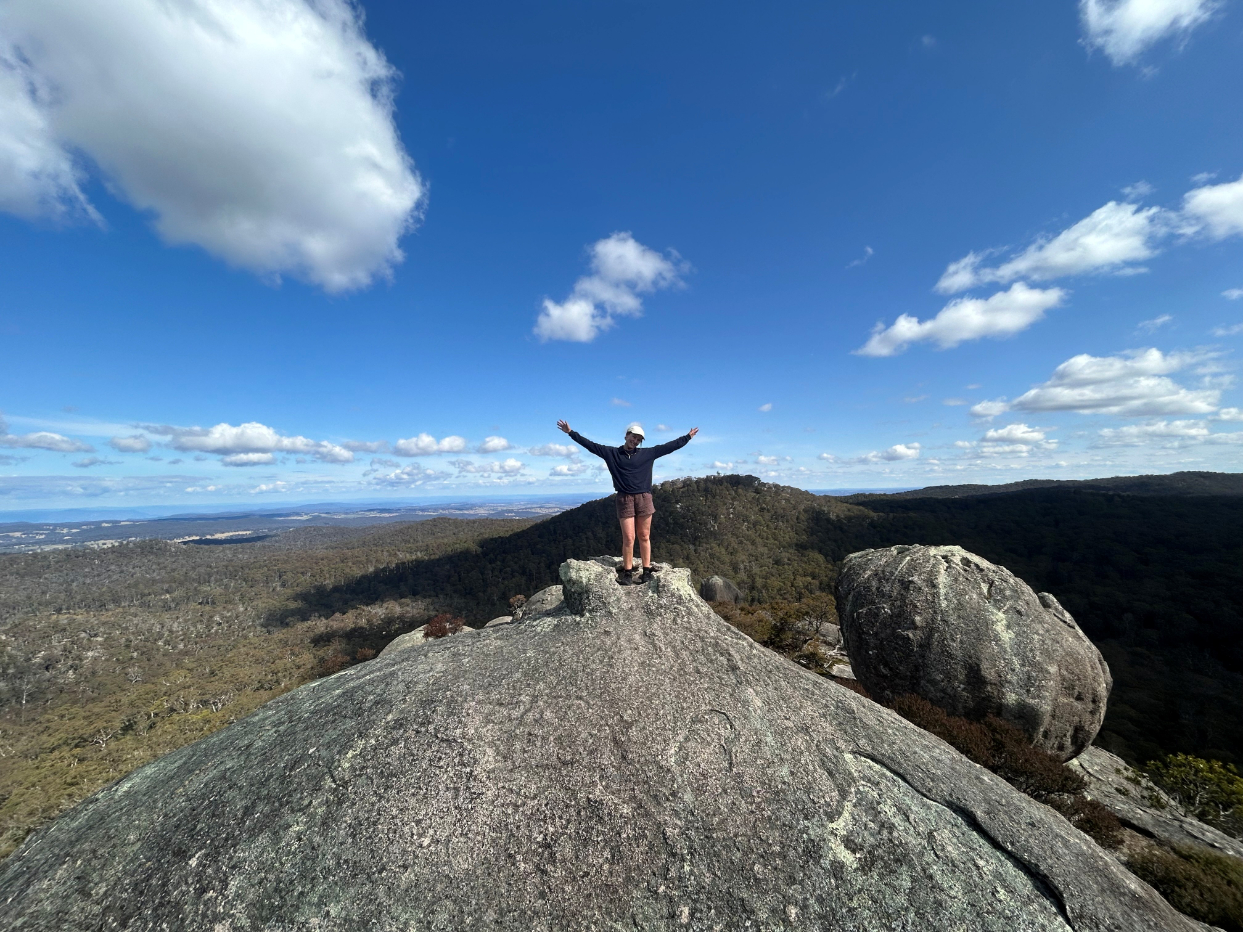
After completing high school work experience at a small regional hospital, Caitlin Barber saw first-hand the issues faced by those living in rural and regional communities trying to access high-quality healthcare.
From that moment forward, she knew she wanted to be part of the change.
“The vast difference in healthcare standards between metropolitan and rural Australia is causing poor health outcomes, safety issues and distrust in the medical profession,” says Caitlin, who grew up in Inverell, NSW.
“This experience inspired me to pursue medicine with a focus on rural and Indigenous health to create awareness and close the gap in health outcomes and accessibility between rural and metropolitan communities.”
Now in her fourth year studying Medicine at UNE, Caitlin is close to realising her dream.
“UNE offers a genuinely immersive rural medical education, with small cohort sizes, supportive teaching staff, and early clinical exposure,” she says.
“One of UNE’s biggest strengths is how closely students are connected to rural communities. You’re not just learning about rural medicine; you’re living it!”
One of the ways Caitlin has been able to step into these communities and gain valuable hands-on experience is through the Rural Doctors Network (RDN) Bush Bursary placement- an experience that she highly recommends to anyone interested in working in regional healthcare.
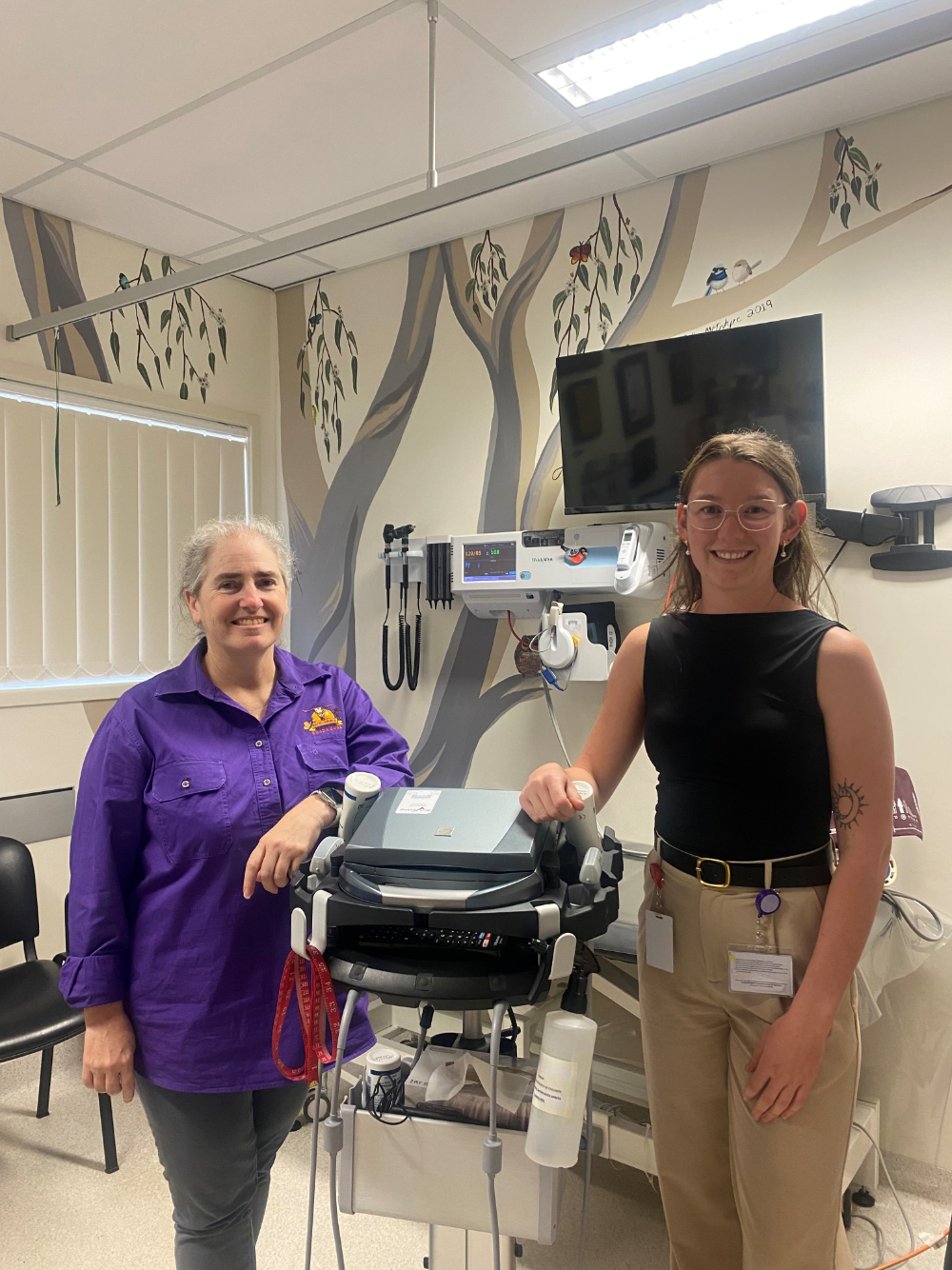
Image: Dr Cheryl Macintyre and Caitlin Barber during RDN Outreach placement at Inverell Medical Centre.
“This gave me a truly immersive insight into rural practice,” she says.
“I wasn’t just observing medicine from the sidelines; I was welcomed into a community, involved in patient care, and able to appreciate the continuity and trust that come from working in a smaller, more connected setting.”
With this practical experience under her belt and her final year of study now in sight, Caitlin is looking forward to what the future holds.
“What excites me most about starting my career in rural NSW is the chance to practise medicine in a setting where I can genuinely make a meaningful impact,” she says.
“Rural communities often have limited access to healthcare, and the opportunity to provide continuity of care, build long-standing patient relationships, and contribute to a community’s overall wellbeing is something I really value.”
Apply now
Round 1 2026/2027 applications for the RDN Scholarships are open from 1 July – 12 August 2026. Find out more and apply here.


