
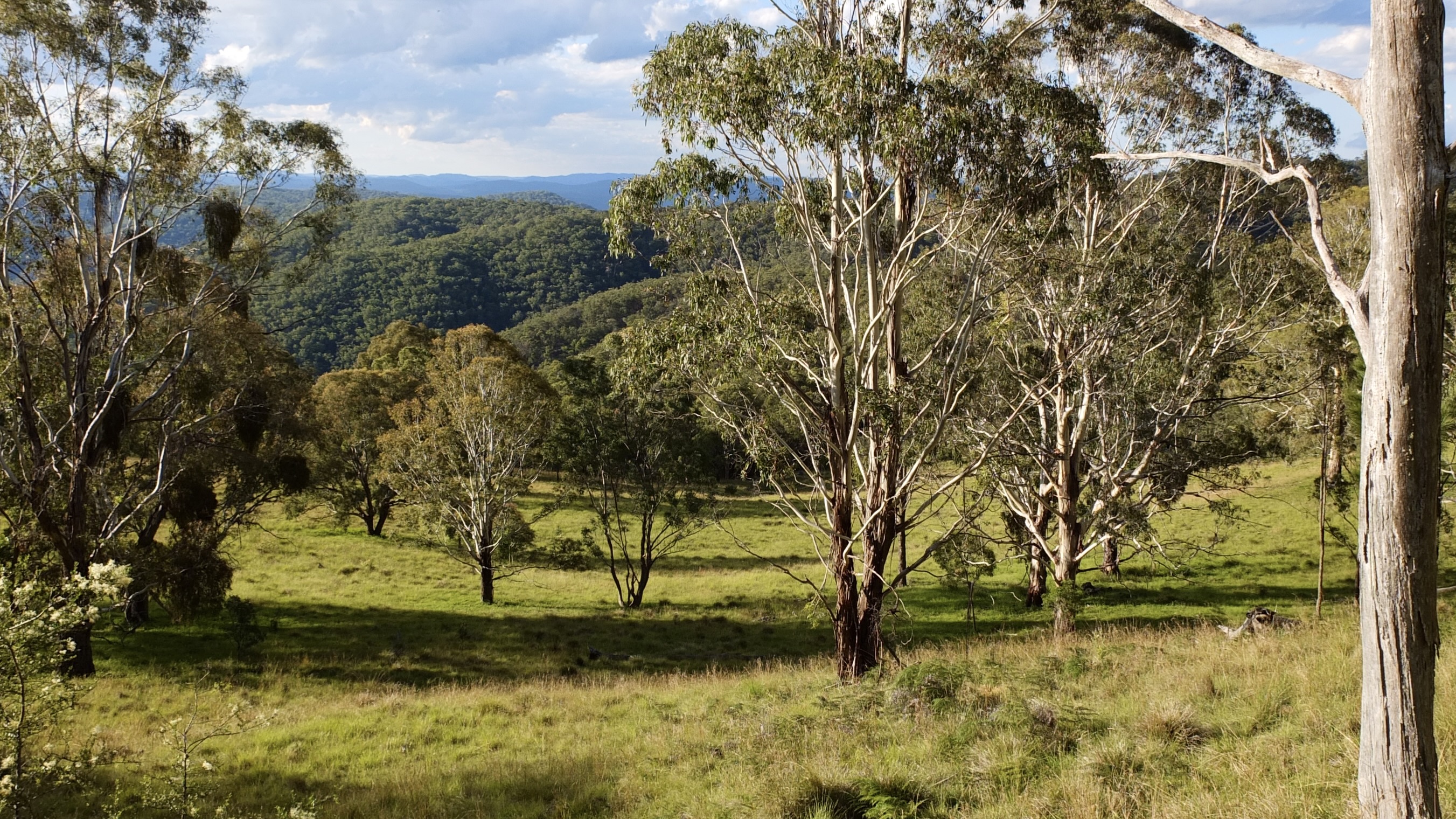
The world's most pressing environmental challenges — climate change, biodiversity loss, degrading landscapes, dwindling water resources — need more than just our awareness. These issues need people with the knowledge and capability to act on them for the mutual benefit of people and planet. If you want to be one of those people, the University of New England's combined Bachelor of Environmental Science and Master of Natural Resource Management was built for you.
A Degree Built Around Doing
Unlike traditional environmental science degrees, UNE's Natural Resource Management pathway is designed to produce job-ready graduates who can engage directly with real-world resource management challenges on the ground, in the field, and at the policy table.
This unique degree grafts a specially-designed Masters qualification onto a three-year Undergraduate degree, meaning that it takes just four years for students to gain an immediate edge in a competitive job market. From the day they graduate, students are positioned to take up roles in leadership, policy, consultancy, and other specialist roles.
Breadth That Matches the Complexity of the Real World
Natural resource management is never about just one problem. This degree spans an exceptional breadth of disciplines. Students take subjects across agriculture, urban regional planning, policy, economics, environment and social science. Core studies cover ecology, soil science, vegetation assessment, climate change, and sustainable agricultural systems. As you progress, you specialise across areas including:
- Carbon accounting and environmental stewardship markets — including carbon farming and biodiversity credits
- Water management — aquatic ecology, catchment science, water law and governance
- Wildlife and vegetation management — conservation biology, ecosystem rehabilitation, biosecurity
- Environmental monitoring technologies — remote sensing, spatial analysis, precision agriculture
- People, policy and planning — community engagement, regional development, Indigenous land relationships
- Consultancy and project management — business, economics, and organisational leadership
At the Master's level, you develop advanced capability in environmental impact assessment, natural resource economics, environmental planning and administration, and research synthesis.
Where Theory Meets Practice
An essential difference of the Natural Resource Management degree is its emphasis on practical experience to support theoretical knowledge. UNE requires 16 weeks of practical industry experience as a core part of the degree, which students can arrange themselves, or undertake through established partnerships with government, industry, and not-for-profit organisations.
Careers That Make a Difference
Our graduates are primed to be part of the frontline of natural resource management. The roles available to them involve practical, hands-on management and problem-solving. The scope of potential careers is wide: carbon project specialist, catchment manager, biodiversity credit assessor, regional Landcare coordinator, water resource regulator, ecological consultant, and many more.
If you want a career where your knowledge makes a measurable difference to people and planet, this is your degree.

