
For Julie Clark, schools have always felt like places of possibility. She grew up in Sydney, but her adult life and career have led her to love rural Australia and the communities she has come to know there. She is a wife and mother of two, and a registered psychologist who has spent almost 20 years working to support young people’s mental health and wellbeing.
Over that time, Julie has worked across primary and high schools in urban, rural and remote settings. She has supported students from many different backgrounds, including Aboriginal and Torres Strait Islander young people and youth with refugee experiences. These experiences have shaped not only her clinical practice but also her interest in the bigger systems that can help or hinder help‑seeking.
In 2020, Julie began a Master of Clinical Psychology at UNE. As her interests evolved, she transferred into a PhD in Clinical Psychology, which she plans to complete in 2026. Her research focuses on mental health literacy and help‑seeking needs for youth who have experienced disadvantage.
“When I practised psychology I had the privilege of supporting young people and their families on an individual basis,” she says. “Now through my PhD I aim to understand and support mental health help‑seeking through research. I would like to continue to pursue academia with UNE so that through this I can support the next generation of psychologists to be effective, ethical and culturally responsive practitioners.”
Julie’s commitment to that next generation is clearest in her role as Course Coordinator for the Graduate Certificate in School Psychology and Unit Coordinator for PSYC427 Psychological Practice in an Educational Context.
 She describes school psychologists as the frontline of mental health care for many children and adolescents. They are often the first professionals to hear about emerging difficulties, to assess risks and to begin conversations with families and external services.
At the same time, Julie is clear that working in schools is not a simple matter of transferring general clinical skills into a new building. School contexts come with specific constraints, ethical questions and opportunities.
“The Graduate Certificate in School Psychology is an opportunity for postgraduate psychology students and registered psychologists to extend and develop specialised skills that will support them to work as psychologists in schools,” she explains. “By developing practical skills that directly apply to school settings, the GCSPSY enhances employability and prepares professionals to work effectively within educational environments.”
One of the most important elements of the course is its focus on risk assessment and ethical decision making. Conducting risk assessments in schools requires breadth and flexibility. Through the Graduate Certificate, students learn to extend their existing skills to cover:
- A range of risk scenarios, from harm to self to harm to others
- Support for a school’s response to critical incidents that affect entire classes or communities
- Pragmatic risk management strategies that balance best practice with real world constraints
The course also spends significant time on ethical questions that are particularly common in schools. These include maintaining professional boundaries, managing dual relationships in close communities and responding to requests for information from staff and families. Using the Psychology Board of Australia Code of Conduct (2025) and explicit ethical decision making models, students practise working proactively to prevent issues and responding effectively when they arise.
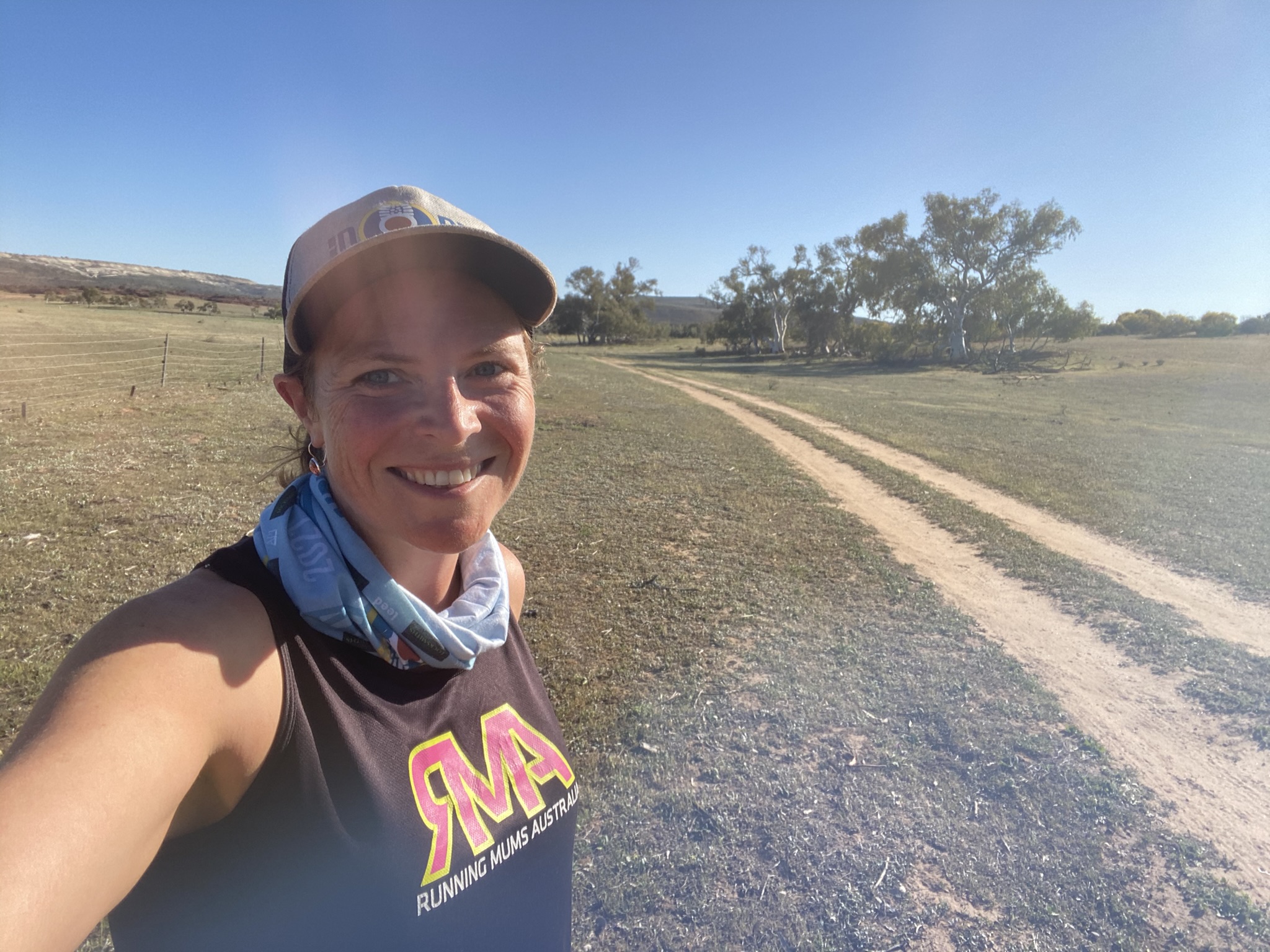
Image: Outside the lecture room, UNE psychologist Julie Clark recharges by running along country tracks – grounding her work with school communities in the realities of rural life.
Julie regularly speaks with principals and school leaders in public, Catholic and independent systems. When she asks what they look for in a psychologist, the answers are remarkably consistent. Leaders want professionals who can:
- Conduct high quality assessments that inform teaching
- Interpret data and translate it into practical recommendations
- Contribute to group programs and whole school wellbeing strategies
- Work collaboratively with leadership teams and multidisciplinary staff
“The Graduate Certificate supports students to enhance their generalist psychologist skills,” she says. “It enables graduates to demonstrate a unique skill set that is ready for effective and efficient application in schools.”
The course is designed to align with Master of Professional Psychology and Master of Psychology (Clinical) programs without duplicating them. Perhaps most importantly, it is structured to be completed in Trimester 3, so students can finish their Graduate Certificate and move into a new school year with an additional, highly relevant qualification.
For provisionally registered psychologists wondering whether the extra time is worth it, Julie offers a long term view.
“The extra time you put into the Graduate Certificate in School Psychology now will be of benefit to your future self,” she says.
Although the program is online, Julie places high value on connection. Through live Zoom sessions, active discussion forums and constructive feedback, she aims to make sure students experience her authentic self, not just a name on a screen.
Outside her academic work, Julie enjoys simple routines with her family: bushwalking, particularly at sunrise, cooking, board games and movie nights. These moments help her maintain balance in a career that is both demanding and deeply rewarding.
If you see yourself at the frontline of youth mental health in schools, the Graduate Certificate in School Psychology can help you develop the specific skills school leaders are asking for.


