
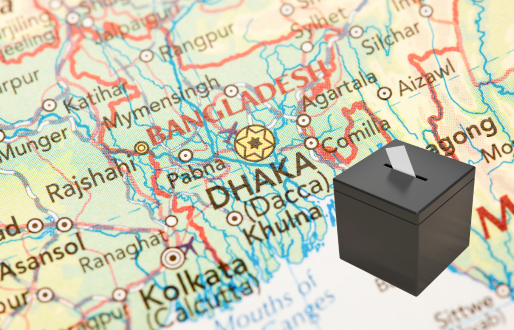
Voting from regional New South Wales to Dhaka might once have sounded symbolic, but for UNE Business School academic Dr Tina (Tasmiha) Tarafder, it is now a concrete reality. Speaking with SBS Bangla ahead of Bangladesh’s 13th National Parliamentary Election on 12 February 2026, she described casting her first ever Bangladeshi vote, from Australia, through the country’s new postal voting system for expatriates.
“First of all, this is my first time voting in Bangladesh. Because, last I was out of the country every time there was an election. So, it was an impossible one for me,” she explained. Like many Bangladeshi academics and students at Australian universities, Dr Tarafder has built a life and career across borders, contributing to both Australia’s higher education sector and Bangladesh’s economy and public life. Until now, that dual engagement stopped at the ballot box.
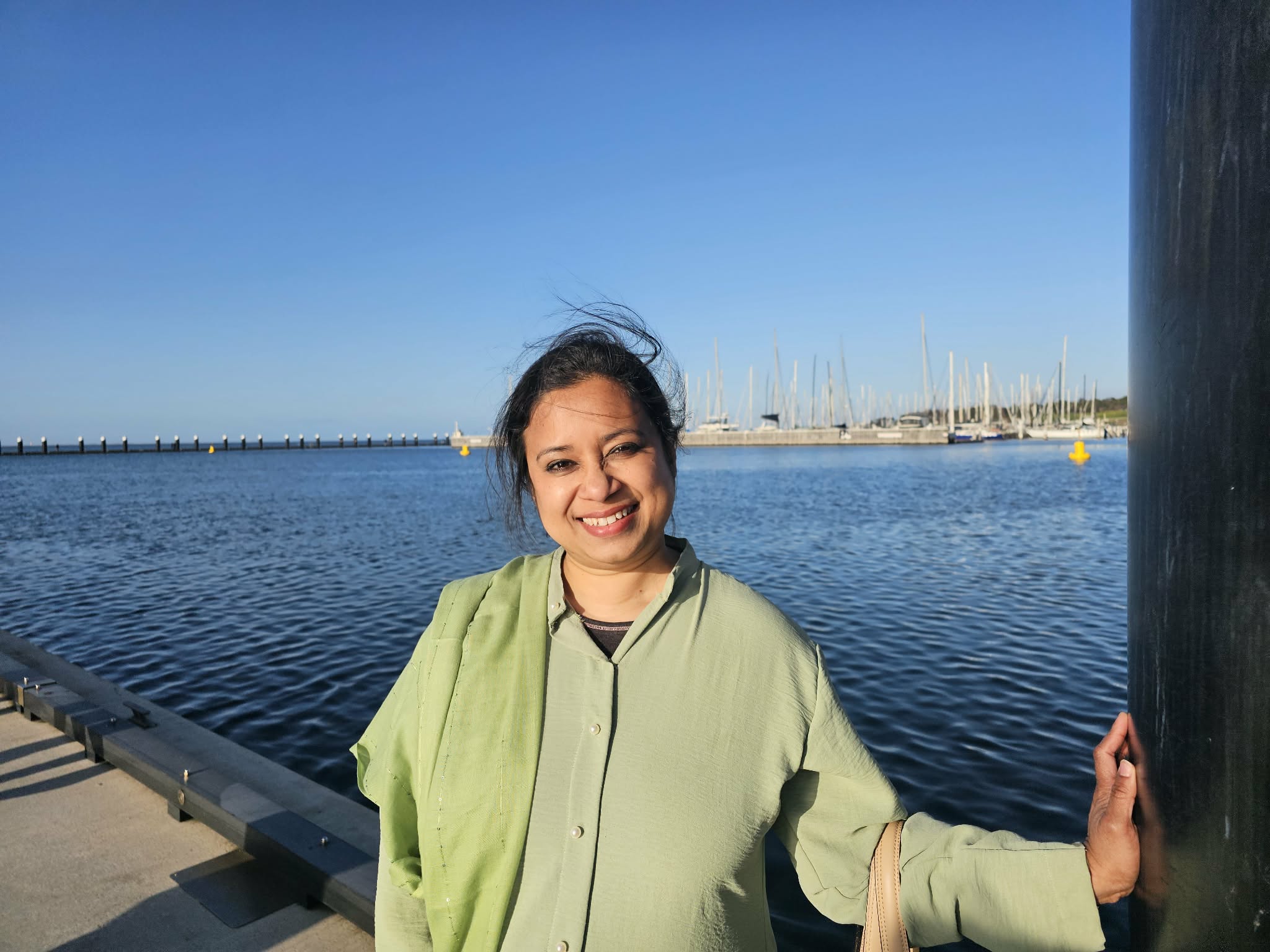
Image: Dr (Tina) Tasmiha Tarafder of the UNE Business School.
The introduction of postal voting has changed that. For this election, more than 11,000 Bangladeshis in Australia have registered as postal voters. Dr Tarafder was among them: “This time, since the first postal vote has been arranged, which in Australia has been happening for a long time… When this opportunity came and I think it's a very positive change, a good change, I thought I would take this opportunity. So I registered myself… and very quickly within two weeks these documents came to me and I cast my vote.”
For Australian audiences, her reflections offer a useful comparison between the familiar routines of compulsory voting and the more fragile realities of electoral participation elsewhere. “In Australia, voting is absolutely mandatory and if you don’t vote here, you will be fined… another thing I really like is that my right or my voice is being established here,” she said. Advance and postal voting, and the ability to vote “peacefully and silently”, are features many Australians take for granted but that Bangladeshi voters abroad are only now beginning to experience.
At the same time, Dr Tarafder is frank about the ongoing importance of trust and transparency. In Australia, she says, “I know that it will be counted properly and my voice will be reflected in the right party selection.” In Bangladesh, by contrast, “I always have a little doubt that the vote I cast will be counted properly and appropriately… I think there should be a lot of transparency about the mechanism of my vote selection.”
For Bangladeshi UNE students and staff, this new system is more than a procedural innovation. It is a recognition that their remittances, expertise, and everyday contributions from places like Armidale, Sydney and Melbourne carry political weight too.


