As a Nurse Educator at UNE Sydney, Monique Nelson brings decades of clinical experience and a clear message for new nurses: nursing is a career she still loves every day.
Surrounded by nurses in her family, Monique always knew she would enter the profession. She began in the hospital‑based training system as nursing education transitioned into universities, completing a Bachelor of Nursing and then a Master of Professional Studies (Education) to formally combine clinical practice with teaching.
Over many years she has worked across medical–surgical nursing, perioperative care, plastic and reconstructive surgery, burns, maxillofacial surgery, aged care and dementia care, as well as managing medical centres and educating paramedics and new medical staff. Teaching has threaded through all of it, from mentoring student nurses and junior doctors to lecturing at TAFE, private RTOs and universities, including postgraduate nursing at the University of Wollongong.
Monique joined UNE Sydney Nursing School at its inception in 2019 and now teaches across the Bachelor of Nursing (BN) and Master of Nursing Practice (Pre‑registration) (MNPP) programs. She is also undertaking a PhD.
“I firmly believe that learning never truly ends—there is always more knowledge to gain and more ways to improve patient care and education… Love it, love it, love it. I look forward to going to work every day.”
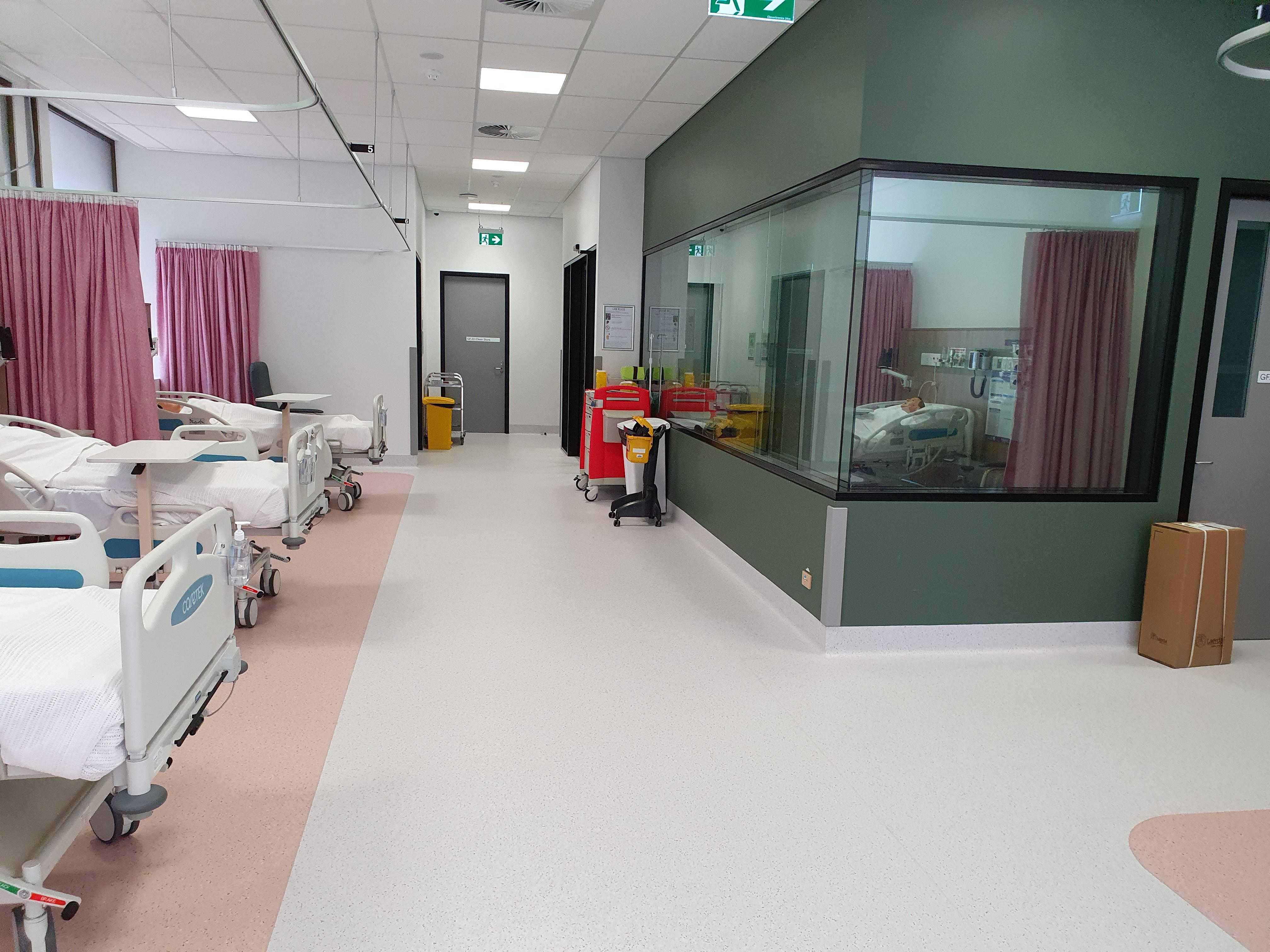
Image: UNE Sydney nursing simulation laboratory.
Getting organised and treating study like a professional commitment
Monique’s first advice to commencing students is practical: get organised early to reduce stress.
She encourages students to start reading myLearn content as soon as it is available, mark all assessment dates on the UNE yearly planner, and stay engaged with announcements. Support such as PASS and Studiosity should be accessed from the beginning rather than waiting until difficulties arise.
“Most importantly, know that help is always available. The academic staff are here to help you achieve and we all start as a student… Asking for help is a strength and not a weakness.”
Balancing theory, skills labs and personal life, she says, comes from realistic planning and treating the degree like a professional commitment: set dedicated weekly study time, never miss practical labs, and deliberately schedule rest. She reminds students to keep the bigger picture in mind.
“Keep the end goal in mind – that it is only 3 years. Once you have completed your study then sky is the limit… You can work around your family responsibilities, you can work overseas… many, many opportunities.”
Making the most of placement and managing nerves
Monique describes the first clinical placement as “a very exciting time” and encourages students to prepare practically: visit the facility beforehand if possible, print the clinical logbook and scope of learning, review basic skills and ensure all compliance is complete. On the day, be early, willing to learn and ready to accept feedback, using phrases such as “Can I help you with that?” and “Is there anything else I can do?”
If a staff member is reluctant to buddy with a student, she advises remaining polite, thanking them and debriefing with the UNE clinical facilitator.
Nerves on placement, she emphasises, are normal.
“Placement is the best learning opportunity and is where learning happens—you are not expected to be perfect or know everything.”
By placement, students have completed the relevant theory and skills for that unit and should not be asked to perform beyond their scope. If they are, Monique suggests responding with: “I am very sorry, I would love to do that, however, I have not had the lesson on this topic yet,” and informing the UNE facilitator.
Confidence grows through asking questions, observing, doing and reflecting. Facilities understand student scope and see students as their future workforce, with many inviting applications for employment after placements.
Professional behaviours that stand out include punctuality, respectful communication, openness to feedback, initiative and a consistently positive attitude.
“Always thank the facility and your buddy for the shift.”
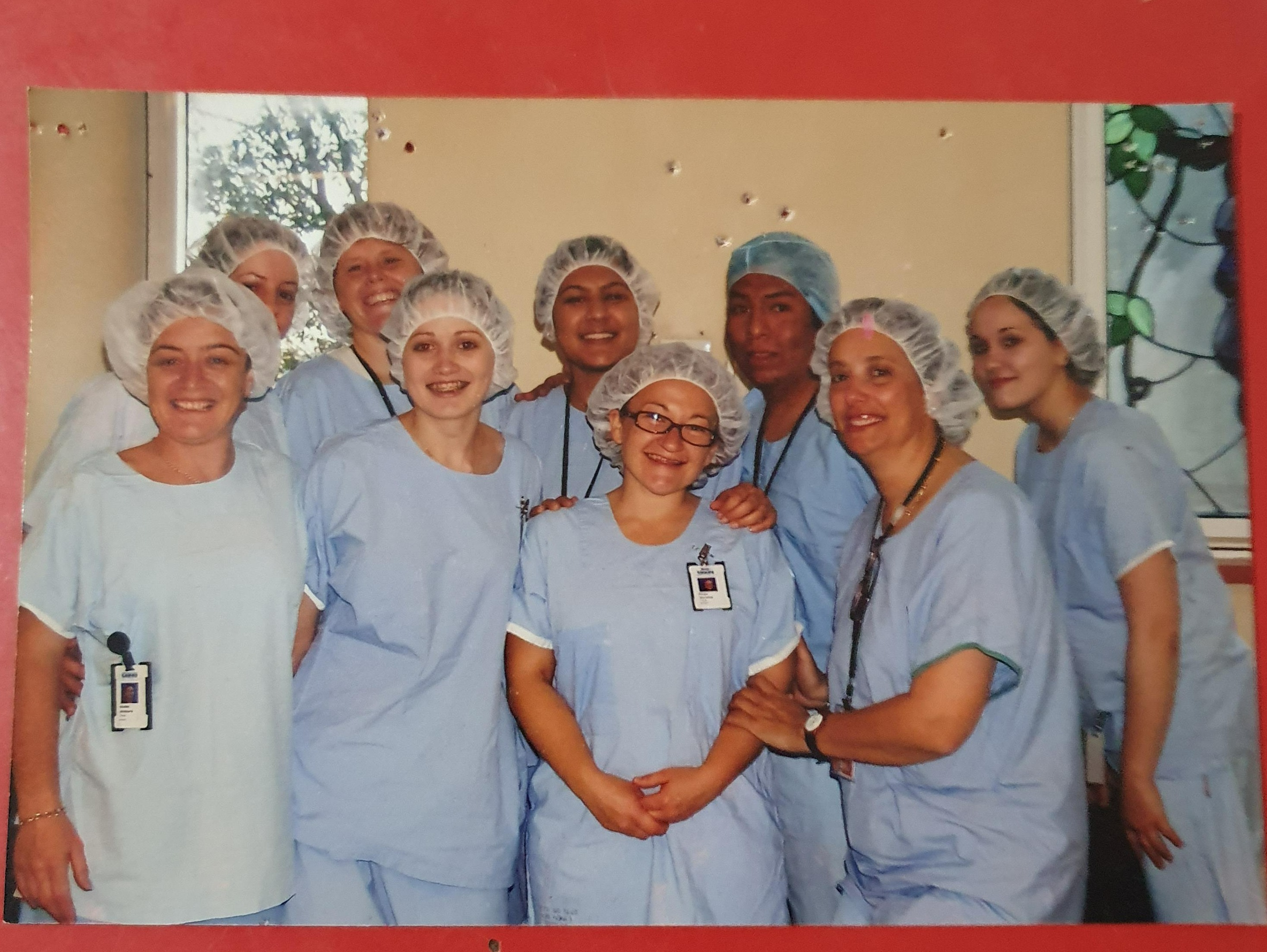
Image: Monique Nelson (Front row, far left.) in the operating theatres at Royal Prince Alfred Hospital.
Supporting international students and using UNE Sydney services
For international nursing students, Monique sees the biggest adjustments in communication styles, documentation, cultural expectations and patient‑centred care. She encourages close observation of how teams interact, frequent questions and active practice of clinical language. A simple strategy is to carry a small notebook, write down unfamiliar terms and look them up later.
For those studying in English for the first time or far from family, she strongly recommends engaging with academic writing and language support, practising spoken English, forming peer study groups, and staying connected to both UNE services and community groups locally, as well as family back home.
“No one should feel that they are alone and they have to navigate this journey on their own.”
Monique wishes more students would use the Academic Skills Office, library support, counselling, flexible learning options and the Health and Wellness Centre, all designed for students balancing work, family and long commutes.
“Using support early can prevent small challenges from becoming overwhelmed.”
“Trust the training and the process”
If she could speak to her first‑year self, Monique’s advice would be simple.
“I would tell myself to be patient and trust the training and the process. Nursing competence develops over time through experience, reflection, and learning by ‘doing’.”
New nurses, she says, do not need to know everything immediately.
“You don’t need to know everything at once—you just need to stay curious, committed, and compassionate and love what you do!”
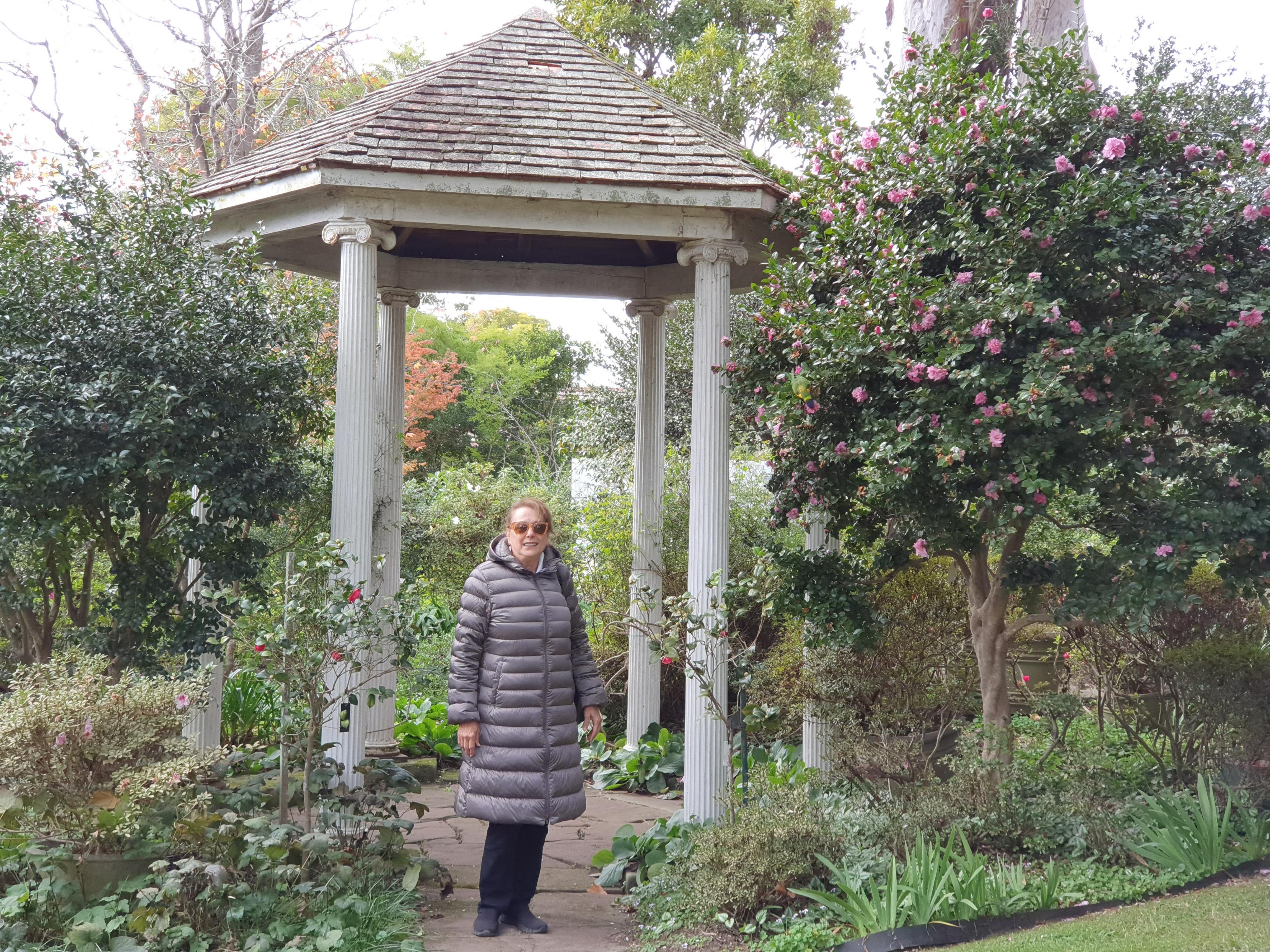
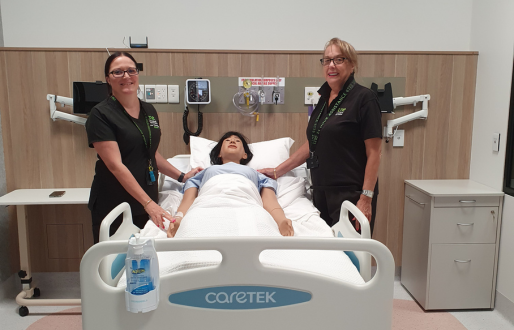
Image: UNE nursing educator, Monique Nelson.


