

The Sycamore Gap Tree (Acer pseudoplatanus) was a relatively young tree for its species, only 150-200 years old, and stood at over 15 metres in height. Despite being an introduced species to England, the tree was the subject of much art and photography due to its prominent position in the depression of Hadrian’s Wall. Though it wasn’t until recently that it rose to such popularity: the 1991 film Robin Hood: Prince of Thieves and the music video for Bryan Adams’ (Everything I Do) I Do It for You catapulted the tree to fame. It rose to such prominence that it won the England Tree of the Year Award in 2016 and placed fifth in the European Tree of the Year competition in 2017.
“While all this is indicative of a key place in popular consciousness, its historical importance was cemented by the global phenomena that its felling, and the subsequent sentencing of the two responsible, became,” Tristan Taylor, Associate Professor in Classics and Ancient History, said.
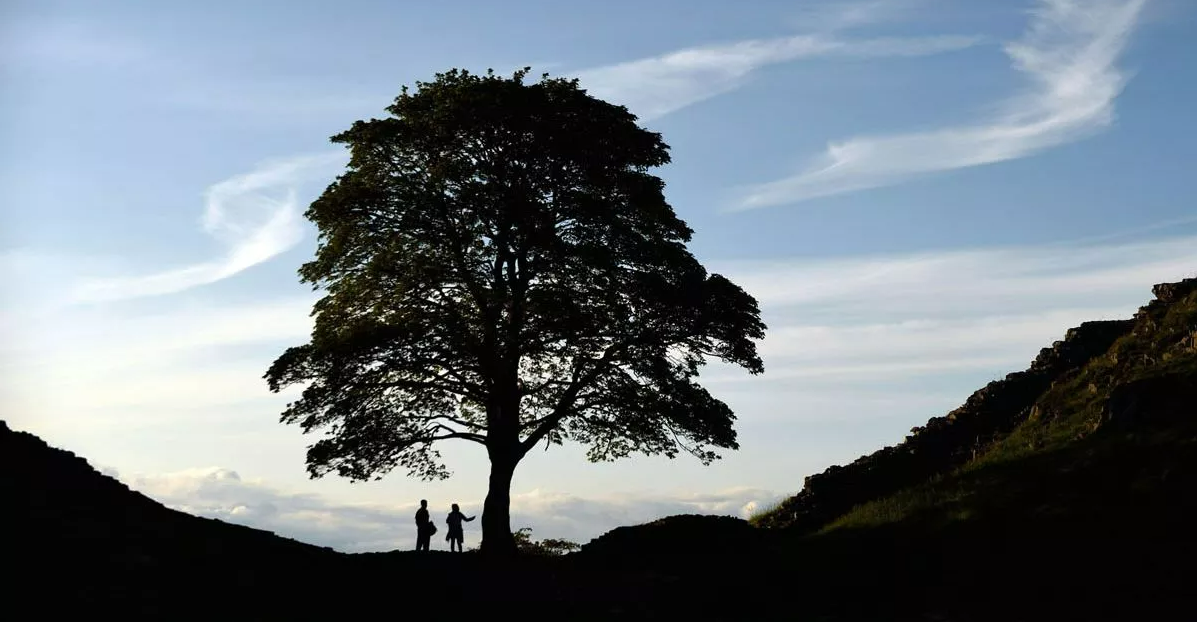
Image: The Sycamore Gap Tree featured in Robin Hood: Prince of Thieves
But what would compel the two men to commit such an act? British High Court Judge, Mrs Justice Lambert, rejected the claim that the two were drunk, instead saying that they were motivated by “sheer bravado”.
Jenny Wise, Associate Professor in Criminology, said: “The recording of the crime and the choice of a culturally important tree does suggest that they were motivated by some kind of desire to become ‘known’.
"However, they may not have foreseen the social condemnation that followed their crime.”
There are more impacts of the felling of the Sycamore Gap Tree, despite the damage to the tree itself. The act caused damage to Hadrian’s Wall, a 2000-year-old site part of the ‘Frontiers of the Roman Empire’ UNESCO World Heritage listing. This undoubtedly impacted the men’s sentences, said Dr Andrew Lawson, Senior Lecturer in the School of Law at UNE .
“Judges tend to avoid overtly engaging with public outrage connected with cases, perhaps because public outrage isn’t always a reliable indicator for appropriate sentencing,” he said.
“However, judges are also – in case we need reminding – human. Thus, the senseless felling of a beautiful tree older than any person alive today at an iconic site of great cultural and historical value to British people would probably incur the wrath of most judges.”
There are signs of hope from the tree, though, with the National Trust reporting the emergence of 25 new shoots.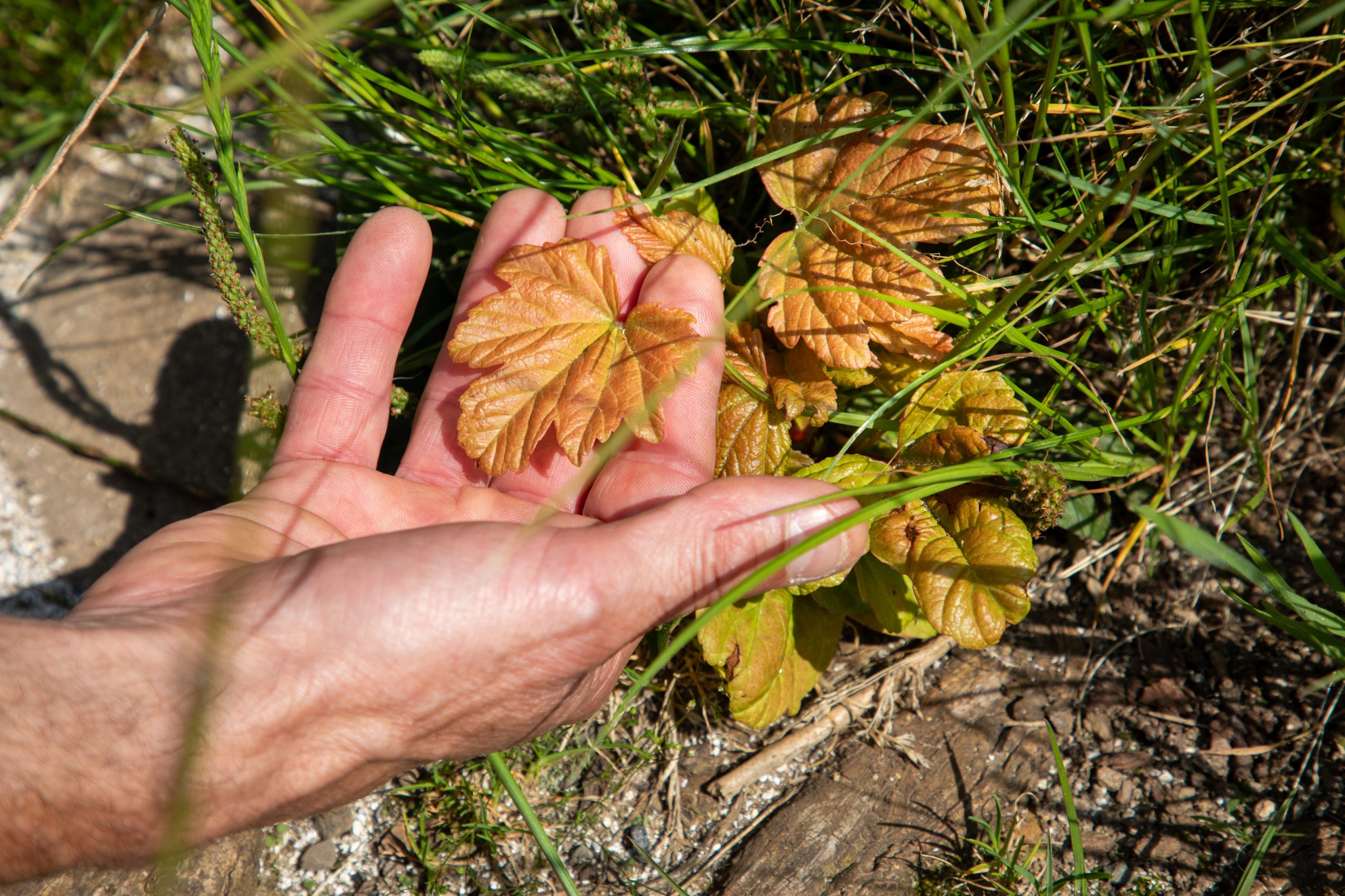
“It’s a phenomenon called coppicing,” said Dr Andrew Thornhill, Senior Lecturer in Plant Systematics and Director of UNE’s N.C.W. Beadle Herbarium.
“Many trees have buds hiding in their bark that they can regrow from if they get damaged. This is also how redwood fairy rings happen. The main trunk dies, and secondary shoots grow into new trees around where the main trunk was.”
The National Trust has started the ‘Trees of Hope’ initiative, gifting 49 saplings of the Sycamore Gap tree to communities around the UK, one for each foot of height the original tree had.
While the felling was a devastating and reckless act, because of the outrage and global media frenzy the incident has stirred, the site is likely to be more famous – and treasured – now, than ever.

