
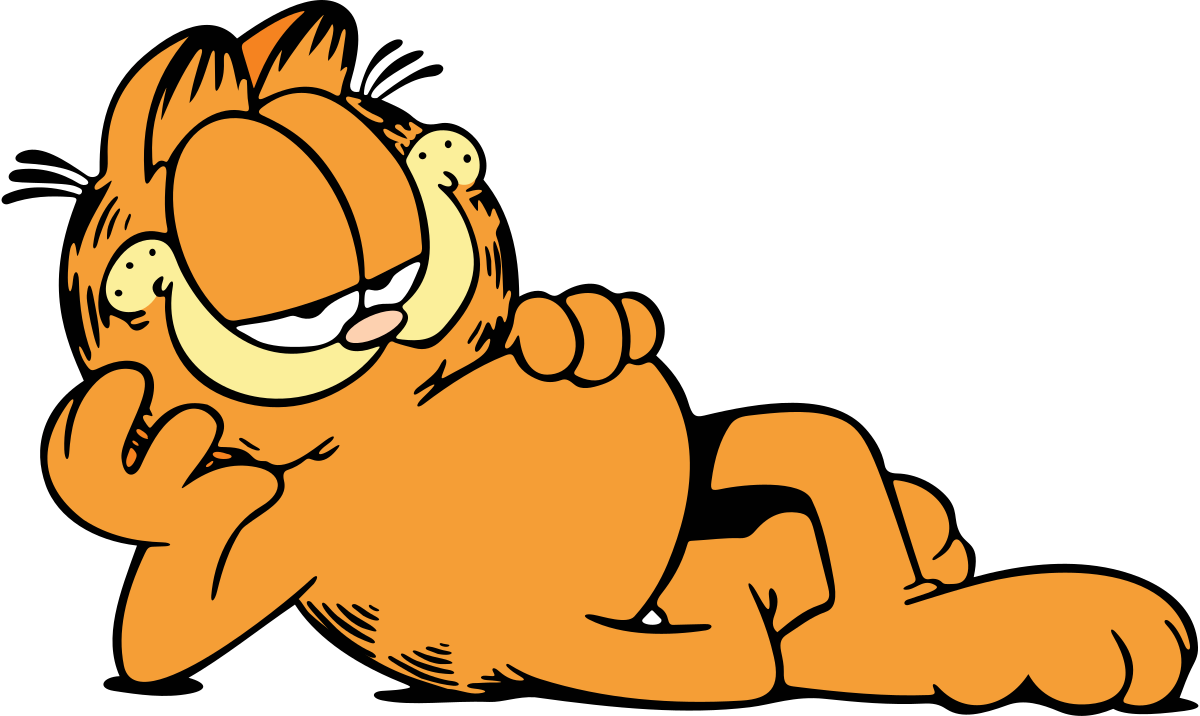
10. Grumpy Cat – The internet Star
Where would the internet be without cat memes? For seven years Tardar Sauce aka Grumpy Cat (2012-2019) was arguably the most famous internet cat. Her permanently grumpy face was, according to her owners, the result of feline dwarfism. Whatever the cause, her pouty face perfectly captured a mood, making it ideal for use in internet memes. This was not without controversy when her owners were accused of using her as a ‘cash cow’, with speculation that her owners made anywhere between $1 million and $100 million out of her image through various licensing deals. Grumpy Cat shows how the internet can transform anyone (or any cat) into an internet star with just a little ingenuity.
9. Cat – Evolution’s most vain creation
The descendent of David Lister’s pregnant cat Frankenstein, Cat is the result of 3 million years of cats evolving aboard the lost spaceship Red Dwarf in the absence of humans. Vain and fastidiously dressed, Cat has retained the quintessential cat characteristic of precise grooming. Research shows that cats will spend between 30% and 50% of their waking time grooming. Cat’s obsession with his appearance is pulled into sharp relief when he is tragically turned into his alter ego, Dwayne Dibbley. Sporting a bowl-haircut, anorak, and thermos, Dwayne is “A no-style gimbo with teeth the druids could use as a place of worship”. Cat reminds us of what we can become if we focus too much on appearance and pleasure.
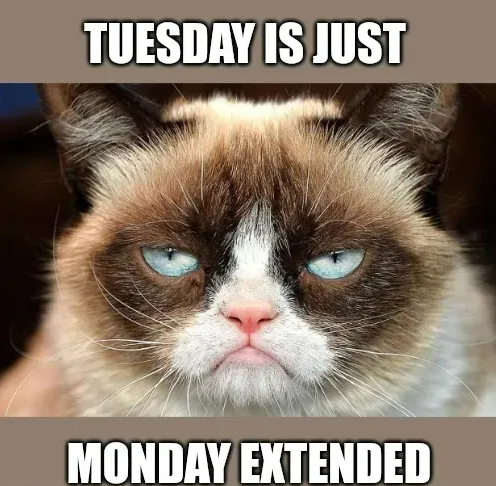
8. Garfield – The lazy icon we can all relate to
Monday-hating, lasagne-obsessed, and utterly relatable – Garfield turned the pampered house cat into a global phenomenon. No longer required to earn their living through the eradication of rodents and other pests, cats are often seen as spoilt and indulged companions to their owners. Garfield first appeared in 1976 and within just a few years his comic strip was syndicated in newspapers across the world. Jim Davis, his creator, says “Garfield is the one who makes you feel better about polishing off the leftover pizza at 3 in the morning.” In contrast to the fat, selfish, lazy and cynical character of Garfield, owning a cat has proven medical benefits, from improving health and wellbeing to curbing loneliness. Spending just a short amount of time with a feline friend can reduce both heart rate and blood pressure.
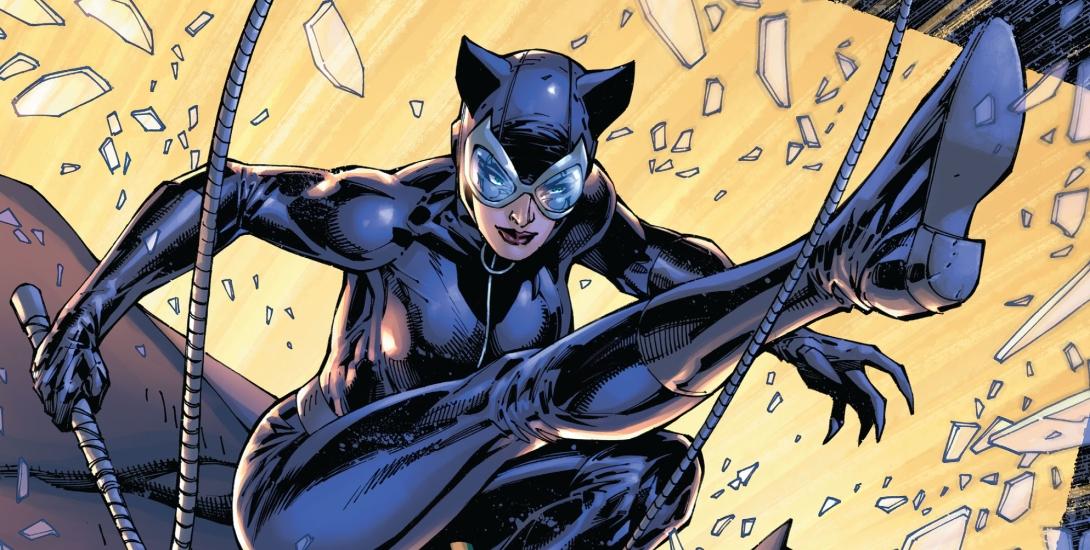
7. Cat Woman – The Feline Fatale of Gotham City
Appearing in the Batman comics, Cat Woman is a complex character who has both been a key love interest of the hero, and one of his greatest enemies. Wearing a skin-tight catsuit and brandishing a whip, she exudes an explicit sexiness that fell foul of the Comics Code during 1950s and 1960s, leading to retirement of her character for a while. Her creator, Bob Kane, said that he felt “women were feline creatures…cats are as hard to understand as women are”. Cat Woman taps into an age-old connection between cats and femininity, from ancient Egyptian goddess Bastet to the Witch’s familiar and modern 'crazy cat ladies.' She's the ultimate expression of the 'sex kitten' trope, prowling through Gotham in her skin-tight leather.
6. Fritz the Cat – Animation goes underground
Fritz is the eponymous hero of the 1972 animated black comedy. The womanising, marijuana smoking, leftist, tabby cat, took a deep dive into the counter-culture of the 1960s. Among other themes, the film comments on race relations, white liberalism and 1960s radicalism. Fritz’s adventures were a stark contrast to the family-friendly animations of Disney. A fact not lost on the major distributors who refused to finance the film, including Warner Brothers who baulked at the sexual content. The film would be distributed by Cinemation Industries, best known for their exploitation films. The satire would go on to be a worldwide hit, shattering the myth that cartoons were just for kids, opening the door for adult animation that tackles serious social issues with humour and irreverence.
5. Tom – The eternal battle
Tom is the hapless cat forever doomed to chase the mischievous mouse Jerry in a never-ending battle. Created for MGM by William Hanna and Joseph Barbera in 1940, to compete with Disney’s animated shorts, over 160 cartoons would be made for theatrical release. The violent imagery in Tom and Jerry, and other mid-twentieth century kids’ cartoons, would later be parodied in The Simpsons as Itchy and Scratchy who “fight and fight, and fight and fight and fight”. Tom and Jerry remains popular today, with their latest film Tom and Jerry: Forbidden Compass, having just premiered in Chinese cinemas. Tom’s endless struggles with Jerry reminds us of the futility of trying to control the uncontrollable, whether that be a cheeky mouse or one of life’s persistent challenges.
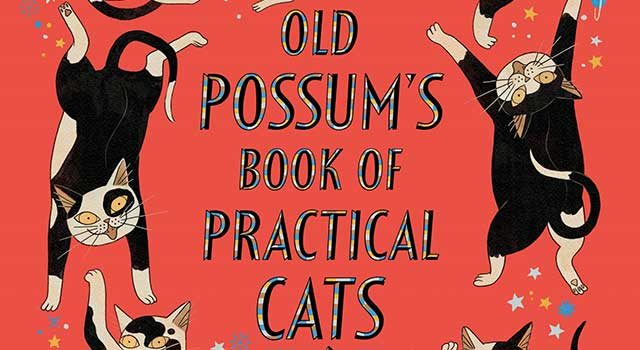
4. Old Possum’s Book of Practical Cats – Poetical musings on the nature of cats
T.S. Eliot penned his collection of poetry musings on the nature of cats during the interwar period for his godchildren, publishing the collection in 1939. Featuring felines such as Growltiger, Macavity, Skimbleshanks, the Rum Tum Tugger and old Deuteronomy, the poems are known for their fun, whimsical nature. In 1981 Andrew Lloyd-Webber transformed the poems into a hit musical, featuring human dancers in cat costumes on a set designed to make the humans look cat-sized. The 2019 film took this illusion a step further by using CGI to blur the lines between human and cat even further, much to the consternation of many audience members. This has been cited as an example of the ‘uncanny valley’ effect, where visual images that appear almost human elicit feelings of revulsion in viewers. T.S. Eliot’s cats show how interest in feline psychology transcends both high and popular culture.
3. Felix the Cat – The original animation superstar
Before Mickey Mouse stole the spotlight, there was Felix the Cat – the silent era's biggest animated star with a surprising Australian connection. First appearing in 1919 in Feline Follies during the silent era of film he was created in Melbourn-born Pat Sullivan’s animation studio. Although it is unclear whether he was penned by Sullivan or the talented animator Otto Messmer. Either way, Felix was a success and dominated animation in the years before sound. Felix struggled to transition to sound film. Early talkies required careful synchronisation of sound effects and use of voice rather than jaunty music to convey the story. Audiences lost interest, however, he was resurrected in the 1950s where a revamped Felix once again captured audience imagination. This pioneering cat paved the way for every beloved animal cartoon that followed.
2. Cheshire Cat – A disappearing enigma
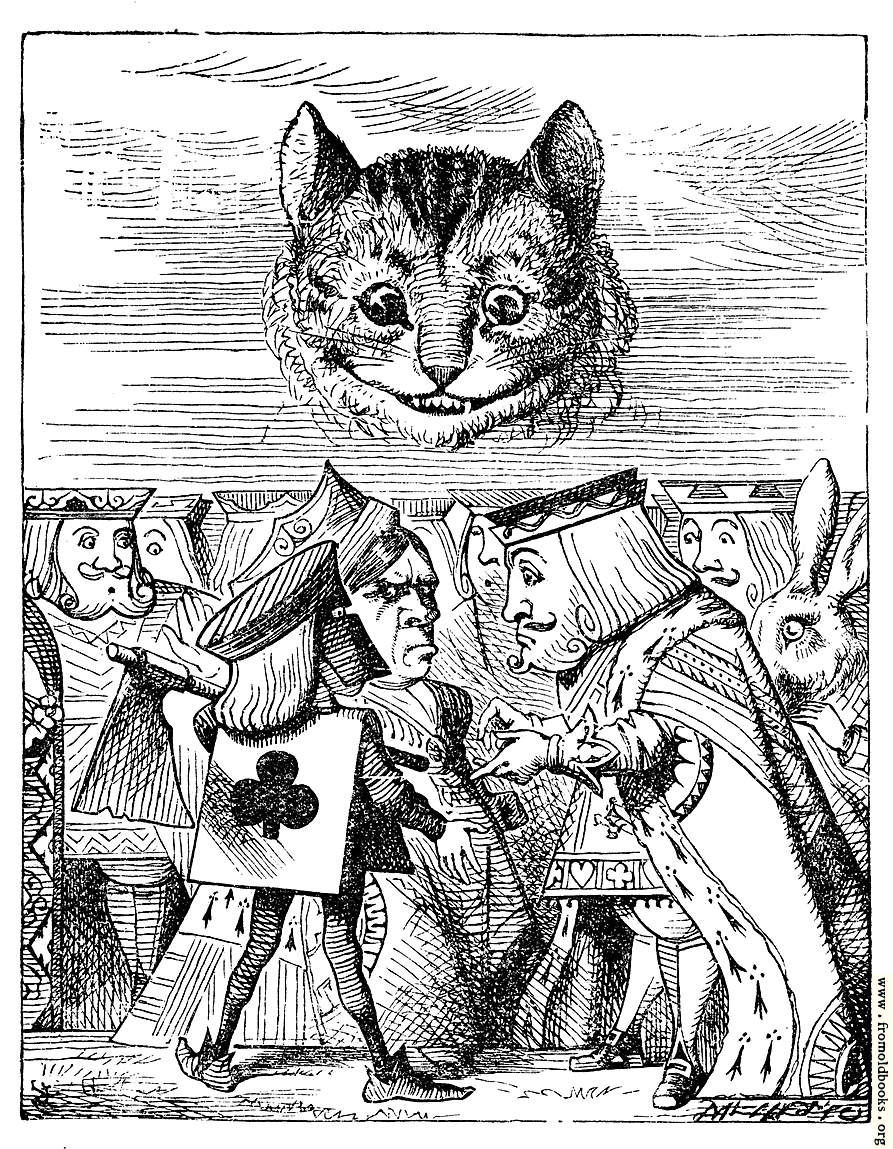
One of the most famous cats in English literature is the Cheshire Cat from Alice in Wonderland. He is best known for his ability to disappear at will, often leaving just his grin after the rest of him has faded away. This ability leads to one of the book’s iconic absurdist encounters. Sentenced to death by beheading, he uses his powers to appear without his body, leading to the executioner arguing “that you couldn’t cut off a head unless there was a body to cut it off from: that he had never had to do such a thing before, and he wasn’t going to begin at his time of life.” To which the King replies “anything that had a head could be beheaded, and that you weren’t to talk nonsense.” The Cheshire Cat reminds us not to take ourselves too seriously in the face of adversity.
1. Puss in Boots – The Trickster Cat
The beloved character has his origins in European fairy tales, where he uses his talents to assist his impoverished master to attain riches and win the hand of the princess. Thought to have originated in Italy, the version best known to modern audiences, was captured by the French author Charles Perrault in his Stories or Tales from Past Times, with Morals (aka Mother Goose Tales), which also included Sleeping Beauty, Cinderella and Little Red Riding Hood. Puss in Boots has continued to capture the imagination, appearing as the charming, swashbuckling, loyal companion to Shrek from the second film onwards, and in his own films. Puss in Boots endures because he is the original underdog cat, using wit and charm to triumph over wealth and power.

