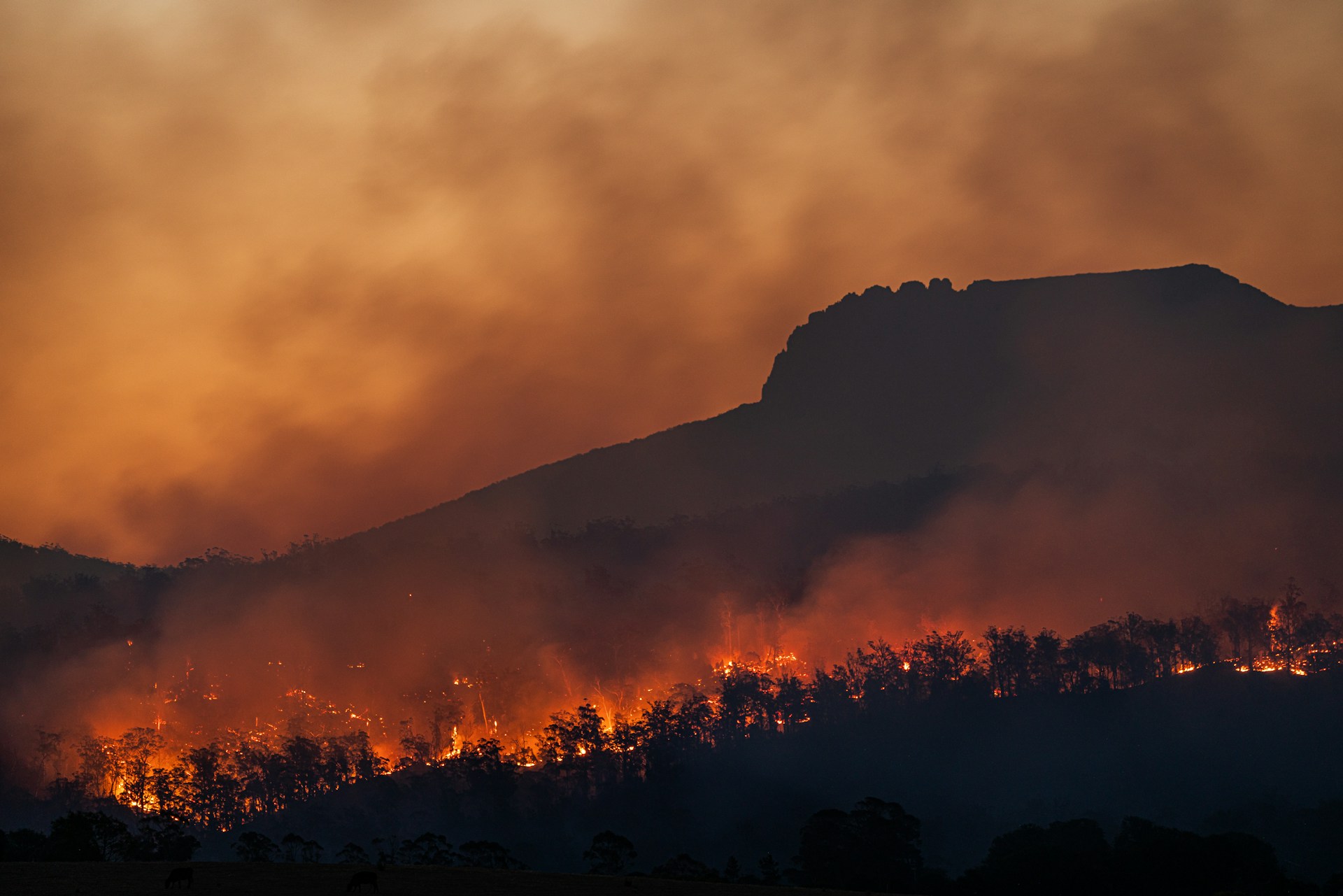
While traditional evacuation plans often assume residents can simply ‘get up and go’, the reality is much more complex for the most vulnerable members of society, particularly those living in regional areas with dementia, neurocognitive decline, or physical disabilities.
To solve this problem, researchers from the University of New England (UNE) will play a pivotal role in the $2.24 million ‘EvacEquity NSW’ project aimed at making natural disaster evacuations safer and more equitable.
UNE’s Professor Raymond Chiong and Dr Fareed Ud Din are contributing specialist expertise in computational modelling and GIS-based analysis to better understand how geographical and social factors intersect to influence a person's ability to reach safety.
“Someone living independently with access to a car may be able to evacuate relatively quickly,” says Dr Ud Din.
“However, an older person living alone, someone with dementia or a mobility impairment, or a family without access to private transport may face entirely different challenges. Current evacuation planning does not always adequately account for these differences.”
The three-year project is led by the University of Newcastle and funded under Round 4 of the Australian Government’s Disaster Ready Fund.
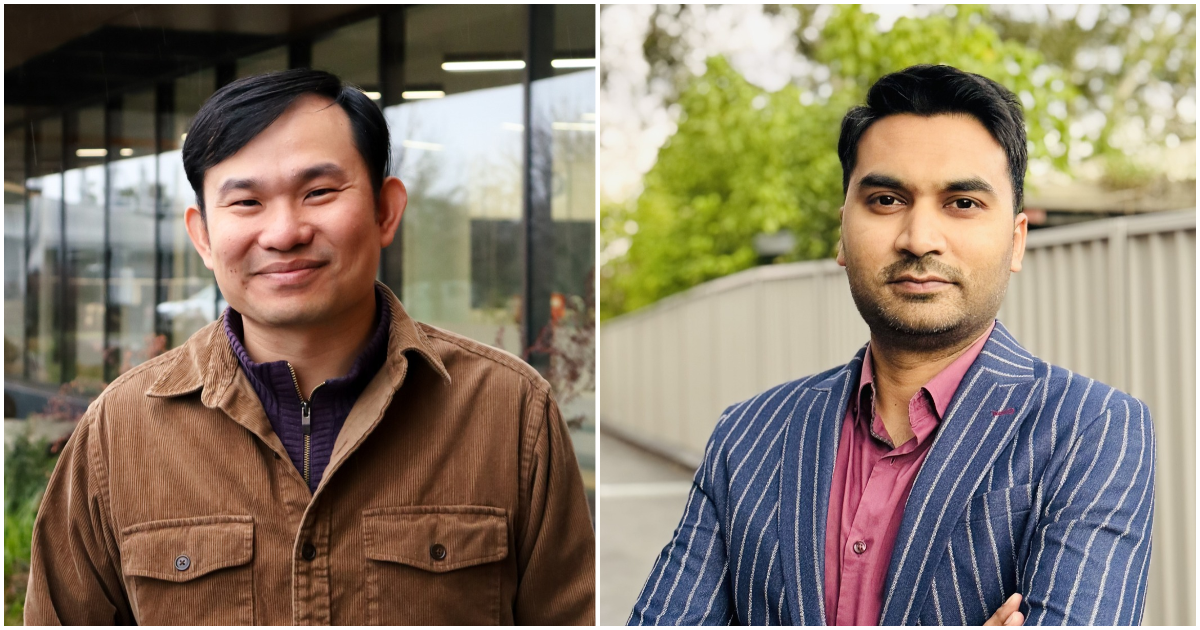
Image: Left to right: Professor Raymond Chiong and Dr Fareed Ud Din from UNE's School of Science and Technology
In collaboration with the NSW Reconstruction Authority and 11 Local Government Areas, the research team will develop a list of potential interventions, such as improved evacuation routes, accessible evacuation centres, assisted-evacuation services, community transport and more resilient communication systems.
“For me, as an AI and data expert, the real measure of success will be whether the research helps decision-makers move from a general understanding of disaster risk to knowing exactly which communities need additional support and what practical interventions can make a difference," says Dr Ud Din.
While the project will focus on the Hunter and Central Coast regions, the team hopes the findings can eventually be applied across the country.
“People who are already facing social, economic, physical or geographical disadvantages can be disproportionately affected, and we want to ensure that no one is left behind and overlooked when disaster planning takes place.”


