Objectivity is a hallmark of science. Researchers use rigorous methods to gather data, analyse it and draw conclusions that are verified by their peers. They are the observers, not normally the observed.
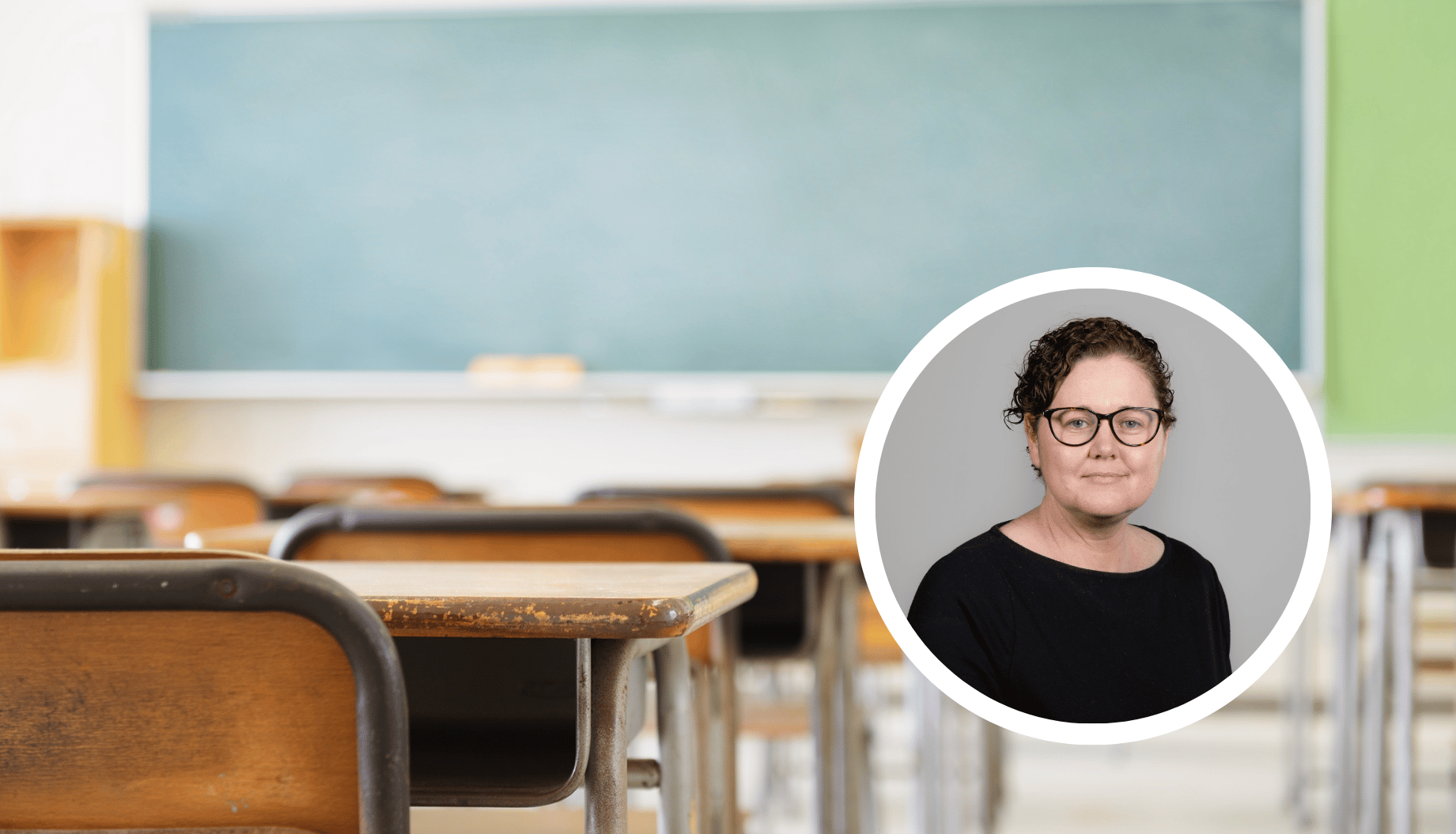
However, Dr Genevieve Thraves is leaning into her lived experience – as an educator and a parent – to inform both her latest body of research and the teaching of the next generation of teachers at the University of New England (UNE). And she hopes this will help improve relationships between teachers and parents of the 15-20% of Australian students who are either intellectually advanced, twice exceptional (with high abilities and a disability) or neurodiverse.
“At times I have been the frustrated teacher and at others the frustrated parent,” says Genevieve, a Senior Lecturer in Learning and Teaching and Inclusive Education at UNE, who taught for over a decade in Northern Territory primary and high schools. “There is an expectation that teachers will develop effective relationships with parents, but that can be very challenging for the parents of children who are not developing in the way the school system expects.
“You often hear teachers talk about how difficult these parents can be. These are parents who are desperate to advocate for their children, who know them best, and for whom school issues can be all-consuming.”
At times I have been the frustrated teacher and at others the frustrated parent. There is an expectation that teachers will develop effective relationships with parents, but that can be very challenging for the parents of children who are not developing in the way the school system expects.
Genevieve’s unique perspective is courtesy of her twice exceptional son, now 23, who has consented for their schooling experiences to be shared.
“Some educators recognised my son’s strengths and created opportunities for growth. Others struggled to respond effectively to his needs. He taught me long ago to contest what constitutes ‘normal development’ and his schooling really shaped my identity as a parent.”
When she began being inundated at conferences by other parents who “felt misunderstood and unheard”, Genevieve decided something had to shift. Now she’s embarking on research that seeks to give these parents of advanced, twice exceptional or neurodiverse students – and others like them – a voice.
“I am interested in how these parents come to understand themselves as parents within educational contexts, how that parenting identity evolves and how it influences interactions with schools and educators,” she says. “Parents engage with schools through identities that have been shaped by years of personal experience, institutional interaction and family circumstances.
“By learning more about who parents become, I hope to make it easier for the parents who follow me, and to help strengthen their teacher-parent relationships. This considers not just what is best for the child, but what is also best for families.”
By taking into account the mental health and wellbeing of parents whose children are not developing typically, Genevieve’s research challenges notions about the very role of education and teachers.
The development of a parent’s identity influences how they engage with schools and respond to professional advice. Understanding it is an important way we can support their child’s learning, wellbeing and inclusion, and guide policy development.
“I’ve already bolstered my teaching of UNE’s future teachers to reflect the importance of parental relationships, to help create teachers who have a lot more understanding of parenting. There is so much misalignment between children with complex needs and the school system, and teacher and parental expectations.”
For parents, this misalignment can pose many challenges, including the time demands and exhaustion of constantly advocating for their child; perceptions that they ask for more than their child deserves; and feelings of isolation.
“My son had a big issue wearing shoes and I was called into school so many times about this,” Genevieve says. “The constant meetings, the dismissal of your knowledge and your understanding of your child, were wearing. And then there is also the sheer excitement and joy, that’s not shared by others, when your child reaches a small milestone that might not seem like anything to anyone else, but for you and your child is everything.
“The development of a parent’s identity influences how they engage with schools and respond to professional advice. Understanding it is an important way we can support their child’s learning, wellbeing and inclusion, and guide policy development.”
And in the very best traditions of sound science, Genevieve is transparent about the powerful personal lessons that inform her work.
“If I’m going to do this research, I have to be honest about where I’m situated in it. And my son allows me to revisit our experiences if it can help others. Being his parent has changed me as a person and as an educator, in terms of how I think about the purpose of school, what success looks like and how to be a good adult.”
And what is this “incredible, flourishing human” now studying at university? Science.
If you would like to take part in Genevieve’s research, which involves semi-structured interviews, contact her via email at gthraves@une.edu.au


