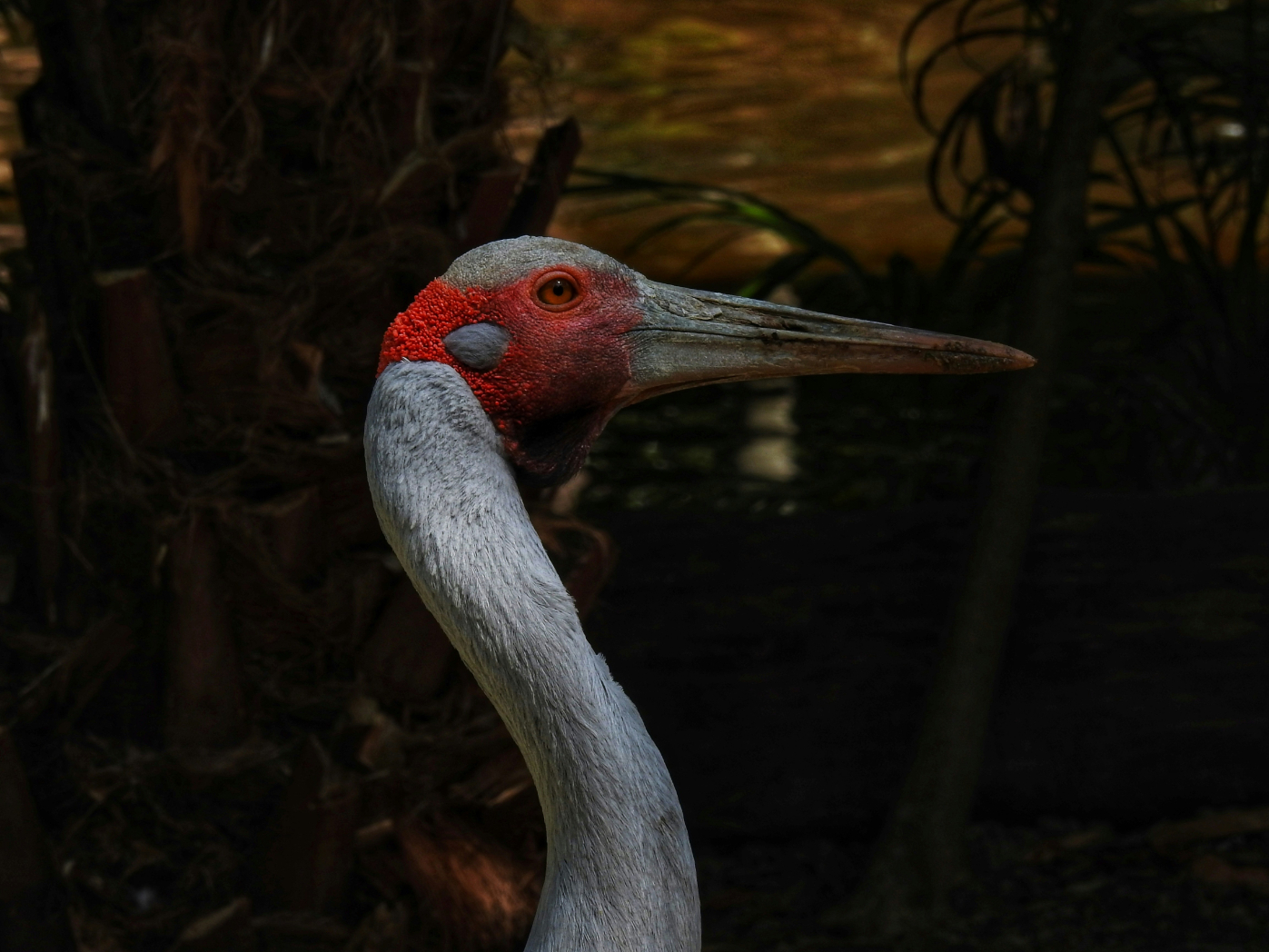
The University of New England (UNE) is securing the future of the iconic brolga (Antigone rubicunda) through a new project that will inform how environmental water is released to NSW’s drying wetlands.
Led by Professor Paul McDonald from the School of Environmental and Rural Science, the research team will work alongside First Nations people and employ an Indigenous PhD student to help track the movements of this culturally significant species.
“Through a combination of traditional surveys, acoustic monitoring, and movement tracking of tagged brolgas, we will inform strategies for environmental water deliveries in NSW to ensure the provision of suitable habitat,” said Professor McDonald.
“This will enhance connections with the species and build capacity among land managers across organisations to improve population resilience.”
The brolga is listed as vulnerable in both NSW and South Australia and was recently upgraded to endangered in Victoria.
Despite its cultural significance, the species has been poorly studied, particularly in NSW.
“A more thorough understanding of where and when brolgas move and use habitat in NSW could significantly improve conservation outcomes, particularly in the marginal range-edge inland population,” said Professor McDonald.
The research will focus on some of the state’s most valuable waterbird habitats, spanning across the wider Gwydir, Darling/Warrego River, Lower Balonne and Macquarie River catchments.
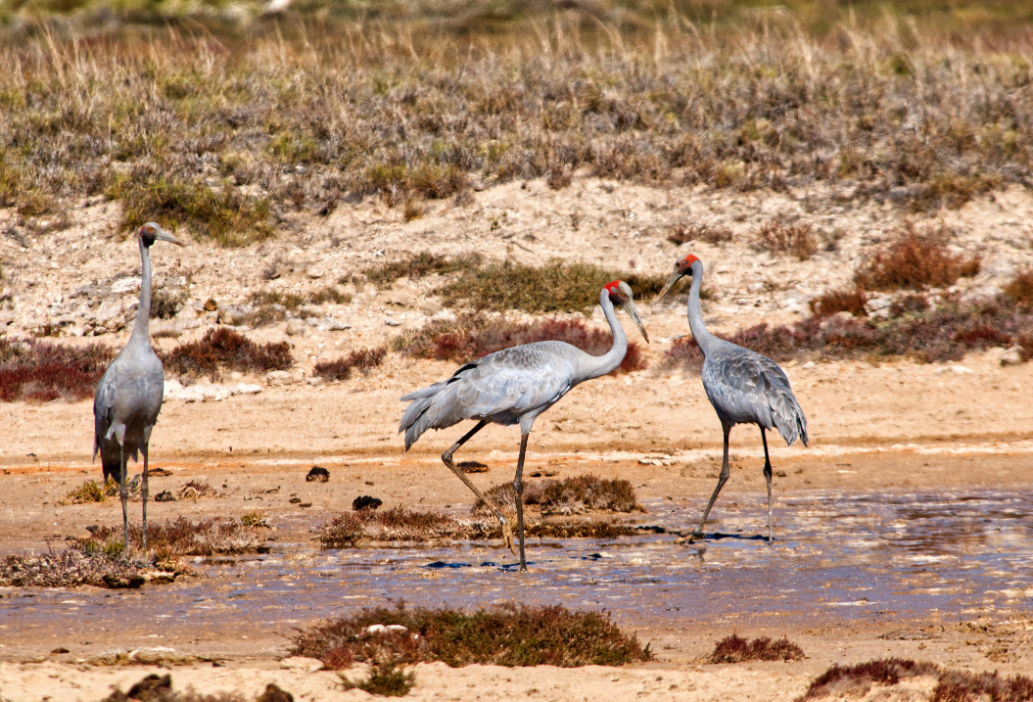
Image: Brolgas. Photo by René Riegal on Unsplash
“Successful management of environmental water relies upon knowledge of the river and wetland ecosystems, including those species that rely upon them,” said Professor McDonald.
“This project will provide critical information that can be incorporated into water and wetland management decision-making across the region for greater understanding at local, state and national levels.”
A major facet of the project is the involvement of First Nations people for on-ground monitoring and knowledge sharing.
By marrying together Indigenous and western science, researchers hope to develop a more holistic view of the species.
“Understanding the role of water on wetland environments, biodiversity and cultural connections is a fundamental challenge that our research will help inform,” says Professor McDonald.
“We will incorporate traditional knowledge by employing local Indigenous rangers to help find, monitor and catch brolga, as well as survey habitat used by the birds once they are being tracked.
“An Indigenous PhD scholarship at UNE will further enhance the cultural links of the project and opportunities for training.”
The project will get underway in the second half of 2026, wrapping up in 2029.
This project has been assisted by the NSW Government through its Environmental Trust.
More information on the Indigenous PhD scholarship will be available in the coming months. In the meantime, please contact Prof McDonald at paul.mcdonald@une.edu.au if you are interested in finding out more.


