
The Middle East conflict may be unfolding on distant shores but few of us have been spared its far-reaching impacts. Even witnessing events from afar carries risks, according to those psychologists now warning of a rise in war-related anxiety.
And if coping with the uncertainty, economic pain and existential threats is overwhelming adults, spare a thought for our children.
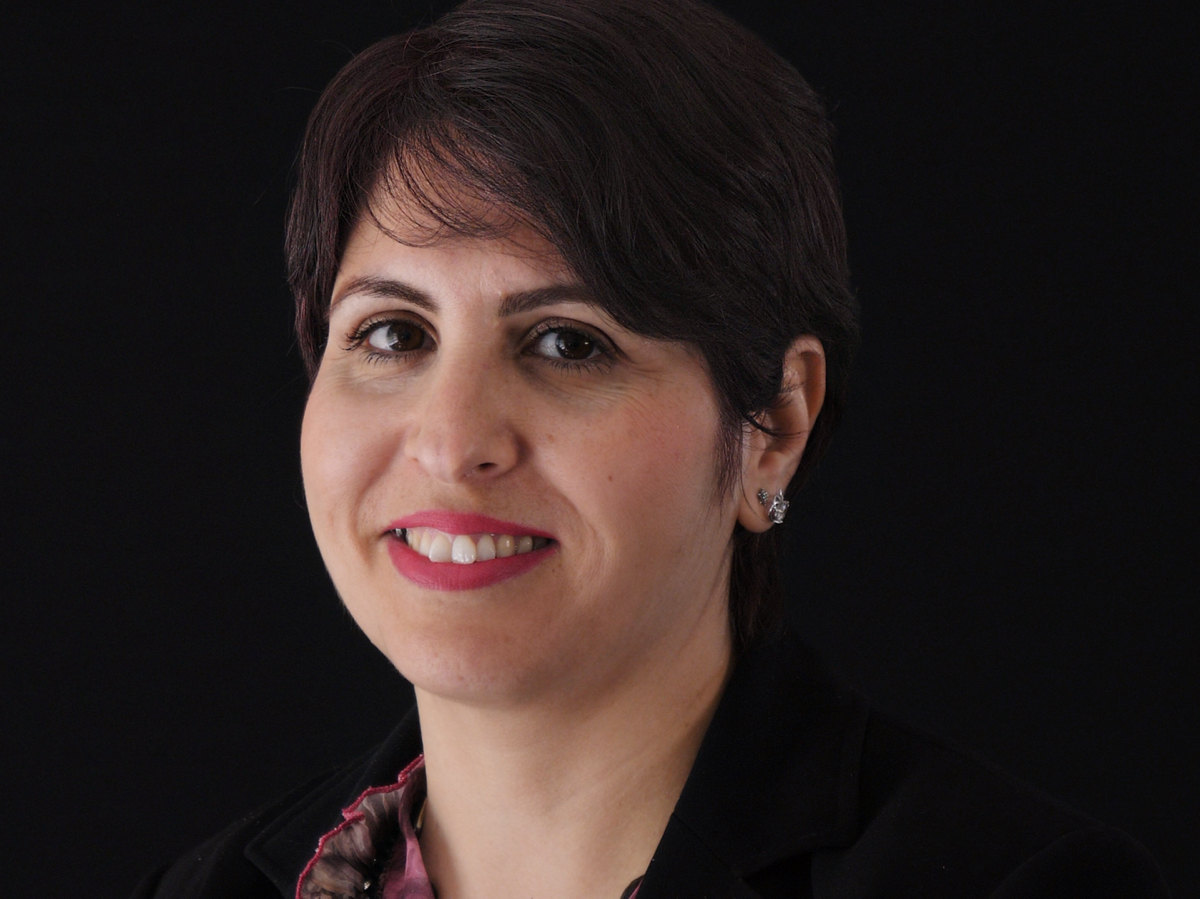
Iranian-born University of New England Early Childhood Senior Lecturer and mother of two Dr Somayeh Ba Akhlagh has a unique perspective on this experience of “globalised trauma”. Over and above the immediate fears she has for the safety of her family and the future of her homeland, Somayeh is concerned about the longer-term impacts on the most vulnerable in society – in the war zone and further afield.
“From birth to eight years is a critical stage in a child’s development, when they are shaped by their experiences and social and cultural circumstances,” says Somayeh. “Experiences in early childhood can have lifelong impacts. This is particularly evident in contexts affected by war, where exposure to conflict, displacement and trauma can significantly influence children’s emotional wellbeing, learning and development.
“In addition to the children caught in the conflict at direct potential harm, we also have children all over the world seeing and hearing about the war and struggling to understand it.”
Feelings of anxiety and stress are common for children grappling with fears about war, along with heightened emotions. And, as we know, they commonly take their cues from their parents.
“Even babies can see anxiety in their parents’ faces,” Somayeh says. “Older children will not necessarily link their feelings to the war, but it is typical to see their behaviour change. I have seen this in my own family. My son became emotionally distressed when he observed his parents closely following news about the war in Iran. This reflects how children can internalise parental anxiety.”
Somayeh’s own childhood experience was very different.
“I grew up in a Muslim family during the Iran-Iraq War (1980-88) and had no clue about what was going on. It was before the days of the Internet and mobile phones and social media. My parents shielded us from the news, and my mother was very good at keeping positive and calm. Children cannot be so easily insulated from the media today.”
To protect their children, Somayeh and her husband have begun limiting their exposure to media and reserving family phone calls for after bedtime.
“Children are observant and you can’t hide the news from them entirely, because they will talk about it in the playground, but it’s important to speak as positively as possible,” she says. “We want to raise empathic little humans who grow up without hate, who see others as people just like them.
“It reminds me of my experience of migrating to Australia (in 2007) and working as an early childhood educator of children in Jewish communities in Sydney. Many of those people remain friends to this day. We are all human, with the same colour blood.”
The plasticity of the human brain up until the age of 8 means that early childhood is an ideal time to introduce and promote concepts of cultural diversity, says Somayeh, who regularly delivers workshops to Early Childhood educators on the subject and has researched the transition of Armidale’s Ezidi children to school.
“Sharing different cultural perspectives is a chance to build a child’s innate capacity for empathy and fairness, as well as their cognitive skills for thinking critically about the world around them. At times like this, I recommend teachers respond openly and honestly to children’s questions about the war and challenge viewpoints that are biased and discriminatory.
“By developing honest and trustful relationships with families, and celebrating the differences among children in their care, educators can help create classrooms that are culturally safe.”
With 30% of Australians now born overseas and 48% having a parent who was born abroad, not forgetting the rich diversity of the First Australians, a healthy multicultural nation depends on conversations about equity and tolerance.
“Every child and their family have the right to feel accepted, respected and included,” Somayeh says. “In some cases that may mean that parents and educators need to engage in critical reflection and to confront their own biases. Having difficult discussions can be an opportunity to grow and to see the humanity in everyone.
“This is how we begin to build more inclusive and compassionate communities for a peaceful future. Even in the shadow of war, we can choose calm, caring and conscious conversations that nurture children’s sense of safety, hope and shared humanity in an uncertain world.”

