The University of New England (UNE) Business School is at the forefront of regional sustainability efforts with new research led by Dr Parves Sultan, a Senior Lecturer whose work bridges academic rigor with pressing community needs. Dr Sultan is spearheading a critical project focused on sustainable and renewable energy transition within the New England region, aligning directly with the United Nations Sustainable Development Goals.
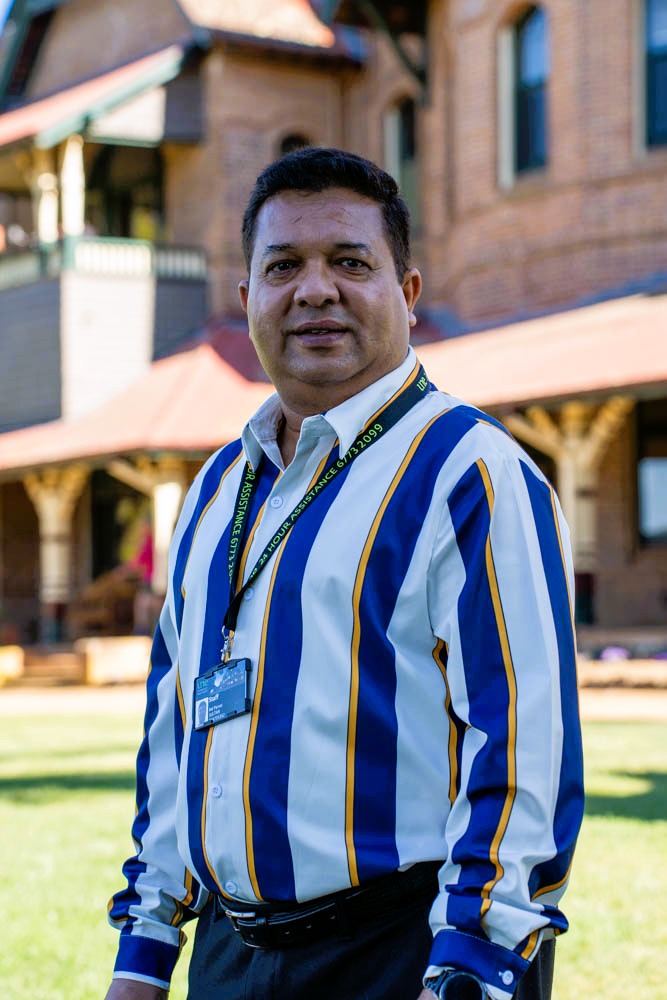
Dr Sultan’s journey to UNE and his current research focus is a testament to a global academic career rooted in making a tangible difference. Having grown up in a regional city in Bangladesh, he pursued extensive international studies and held academic leadership roles across Japan, Australia, and internationally before joining UNE in October 2025. “From my undergraduate studies, I set a clear goal to become an internationally recognised academic whose work would connect rigorous research with real-world impact,” Dr Sultan stated, reflecting on his path. His diverse background has cultivated a deep understanding of how local innovation can drive sustainable development, a philosophy he now applies to the New England region.
Dr Sultan’s research primarily explores the intersection of sustainability, behavior change, and regional development. His highly cited work frequently addresses "persistent gaps between attitudes, intentions, and actual behavior - particularly in green energy adoption, sustainable consumption, and trust-based decision-making." This new project, funded by a competitive internal UNE research grant, specifically investigates community battery acceptance and equity in Armidale. It aims to understand how local residents perceive fairness, value, and ease of participation in neighborhood scale community batteries. This approach moves beyond technical infrastructure to foreground community engagement and benefit sharing.
The project is crucial for Armidale's future. Its findings will provide essential social and economic evidence to support a pilot community battery, directly contributing to the Armidale Regional Council’s ambitious goal of achieving 100 per cent renewable energy by 2030. Critically, Dr Sultan’s research will help ensure that the benefits of this energy transition extend equitably to all residents, including renters, low-income households, and small businesses. “When I joined UNE, I spent my first few weeks engaging deeply with local reports to understand the most pressing challenges facing the New England community,” Dr Sultan explained. “This allowed me to align my expertise with genuine local needs rather than imposing externally driven research agendas.”
As the project progresses, Dr Sultan anticipates strong collaborations with local stakeholders, including the Armidale Regional Council, renewable energy providers, and household consumers. The research employs a mixed methods design, combining surveys, interviews, and focus groups, ensuring a comprehensive understanding of community perspectives. This inclusive participation aims to capture both broad trends and lived experiences, strengthening the validity and relevance of the findings.
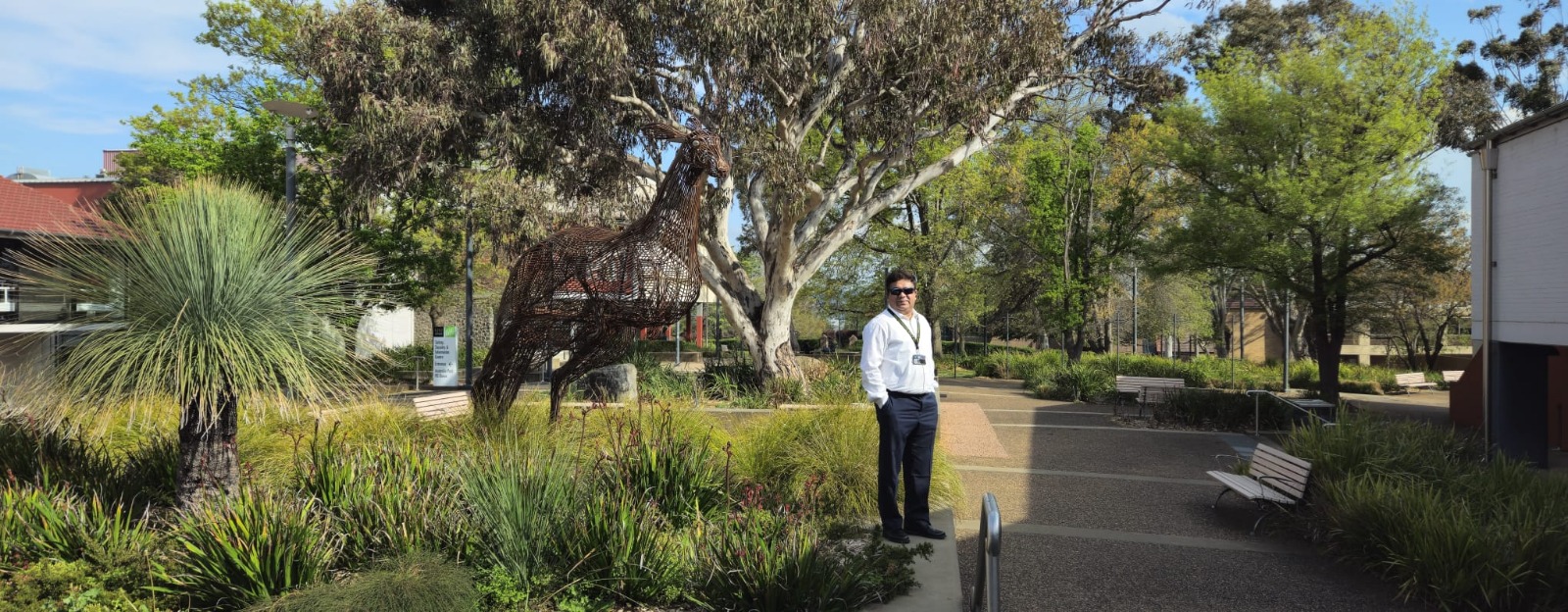
Image: Dr Sultan aims to connect rigorous research with real-world impact.
UNE is an ideal environment for this impactful research. Dr Sultan notes that the university's "deep regional embeddedness, strong applied research capability, and clear strategic commitment to engaged, impact-driven scholarship" perfectly align with his project. This local connection is vital for research that aims to inform policy and facilitate practical outcomes.
The anticipated practical outcomes of this research are significant. For councils, policymakers, and energy providers, the project will deliver clear, evidence-based guidance on community engagement, equitable design, and effective governance models for renewable energy initiatives. For everyday households in Armidale, the research will translate complex sustainability initiatives into understandable, accessible pathways, fostering informed decision making, building trust, and encouraging greater participation in renewable energy solutions.


