
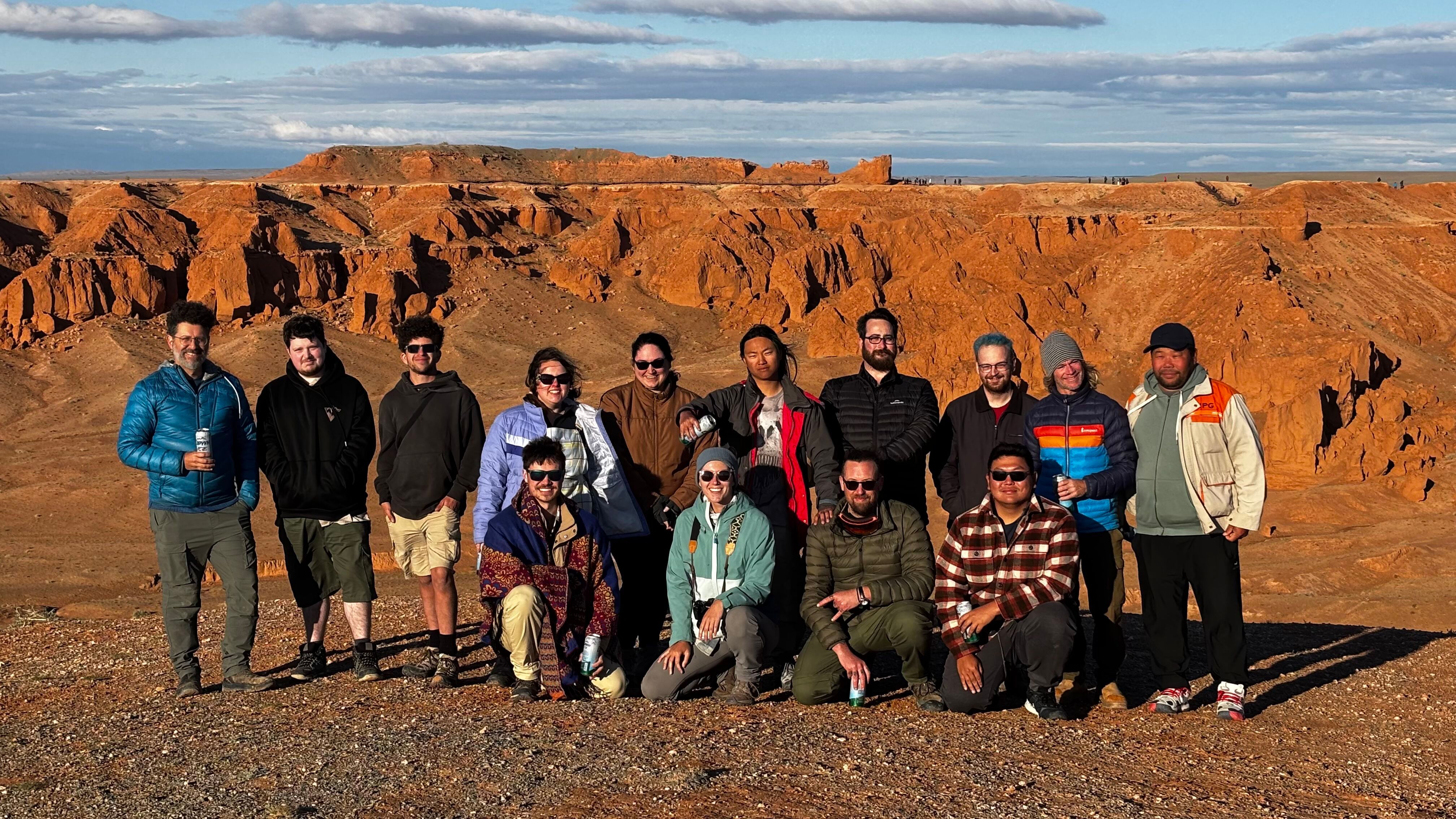
The University of New England is returning to Mongolia’s Gobi Desert this September, and the whole community is invited!
The two-week expedition is open to both seasoned and amateur palaeontologists, and will be centred around the excavation of a rare tyrannosaur skeleton found by UNE Associate Professor Nicolás Campione in 2025.
“As so often happens, our most exciting discovery came on the last day of last year’s expedition, which meant there was no time to collect it, but the good news is that we now have a really exciting skeleton waiting for us when we return later this year,” says Associate Professor Phil Bell, who will co-lead the expedition alongside A/Prof Campione.
“This discovery has the potential to really change what we thought about these animals. Because it is also a juvenile—which are extremely rare—we’re really excited about what it can teach about not only their appearance, but also aspects of their behaviour and even their diet”
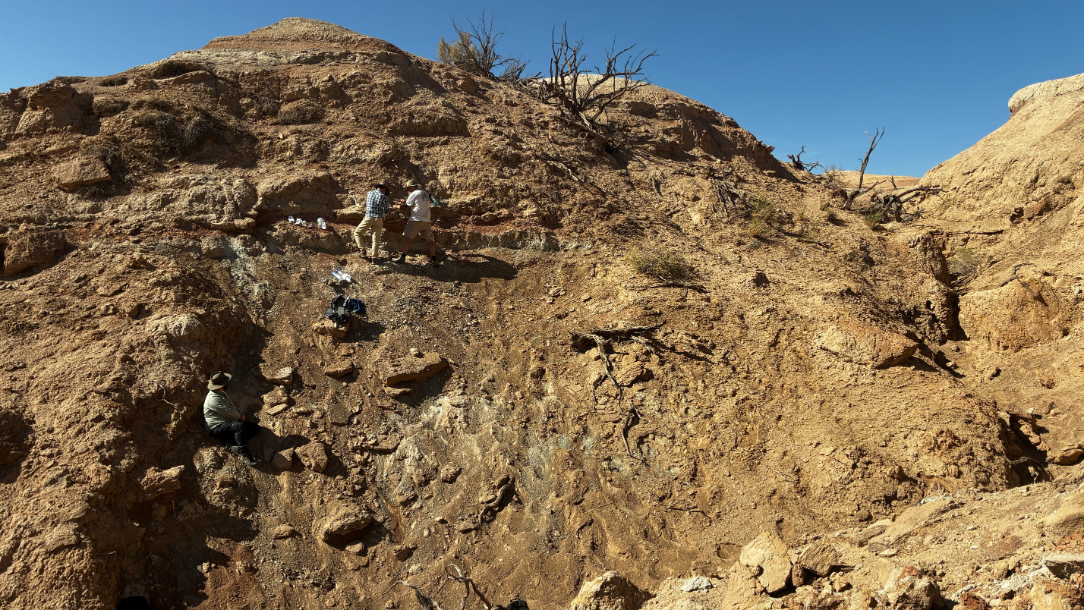
Image: Working the tyrannosaur on the 2025 expedition.
Highlights of the trip will include spending time in some of the most remote parts of the Gobi Desert, working alongside Australian and Mongolian scientists, and the chance to make new discoveries.
Although most of the time will be spent in remote locations, the expedition will be closer to glamping than camping, with attendees supported by dedicated local staff and a top Mongolian chef.
“This is a trip for anyone with a sense of adventure who loves the outdoors and the opportunity to collect dinosaurs in one of the most incredible parts of the world,” says A/Prof Bell, who has led many similar expeditions across Mongolia, Canada, and Australia.
Bachelor of Geoscience student, Tian Wong-See, attended the 2025 expedition, and says seeing the unique region first-hand was a transformative experience.
“I learnt so many things from just being out there and actually seeing it, picking things up, seeing the inside of bones, and just being able to handle them and experience the environment that they were fossilised in. All of that was infinitely better than just seeing a picture online or in a book.”
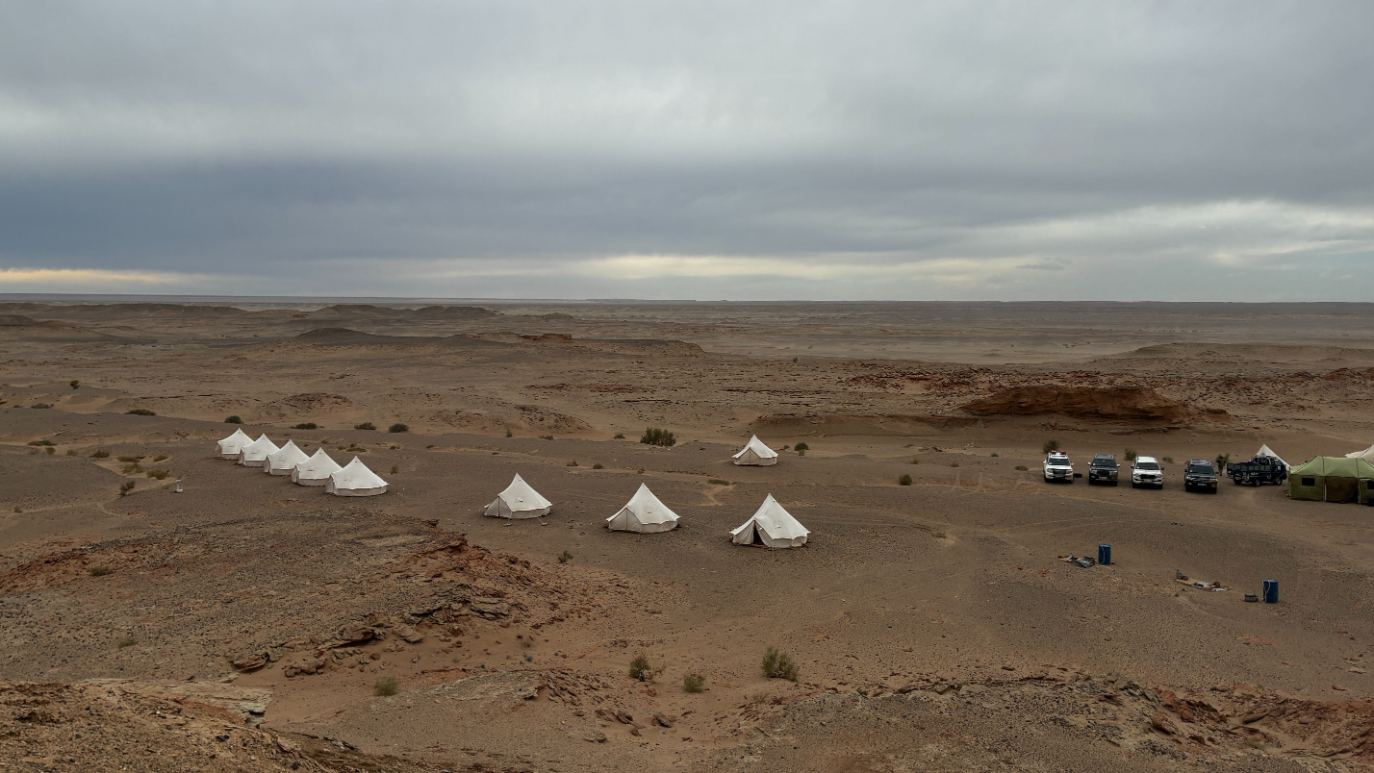
Image: The 2025 campsite
Key details:
Dates: Sep 8-22, 2026
What to expect:
- Fieldwork & Fossil Discovery – Assist in identifying and documenting dinosaur fossils in their natural setting.
- Scientific Conservation Efforts – Support international efforts to protect and repatriate Mongolia’s fossil heritage.
- Expert-Led Exploration – Work alongside world-class paleontologists to uncover ancient ecosystems.
- Immersive Desert Adventure – Experience the vast landscapes, starry night skies, and nomadic culture of the Gobi.
Who is This Expedition Perfect For?
- Aspiring Paleontologists & Students – Gain hands-on field experience working alongside leading experts.
- Science & History Enthusiasts – Contribute to groundbreaking research and fossil conservation efforts.
- Adventurous Travelers – Explore Mongolia’s remote Gobi Desert while engaging in real scientific discovery.
- Photographers & Storytellers – Capture stunning landscapes and the thrill of unearthing prehistoric history.
Find out all the details, including pricing and full itinerary here: Lost Dinosaurs of Gobi | Paleontological Expedition Mongolia
See some of the highlights from the 2025 expedition below:
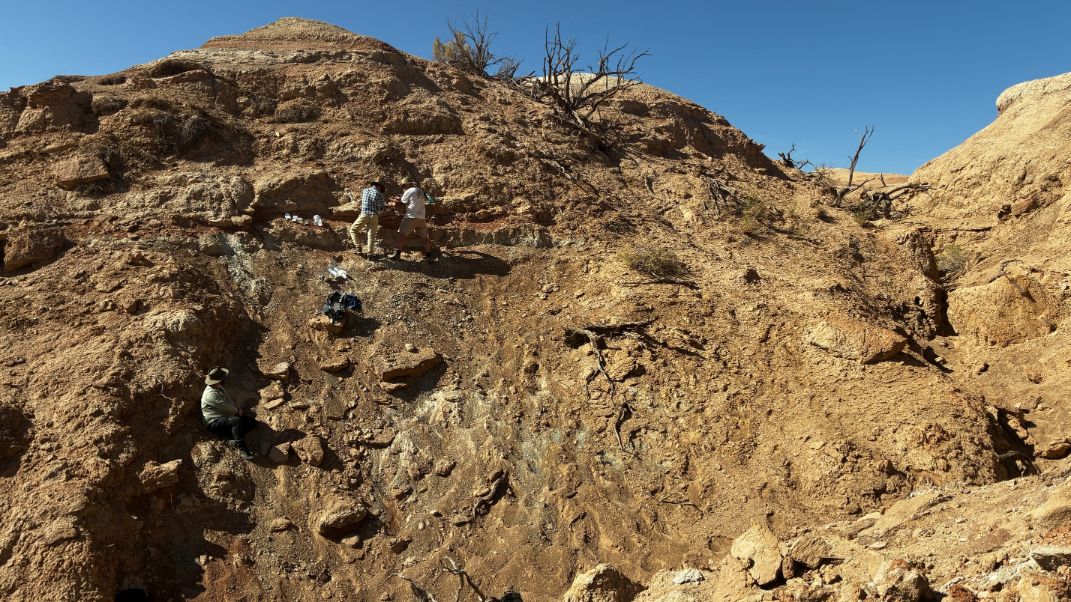
Working the tyrannosaur
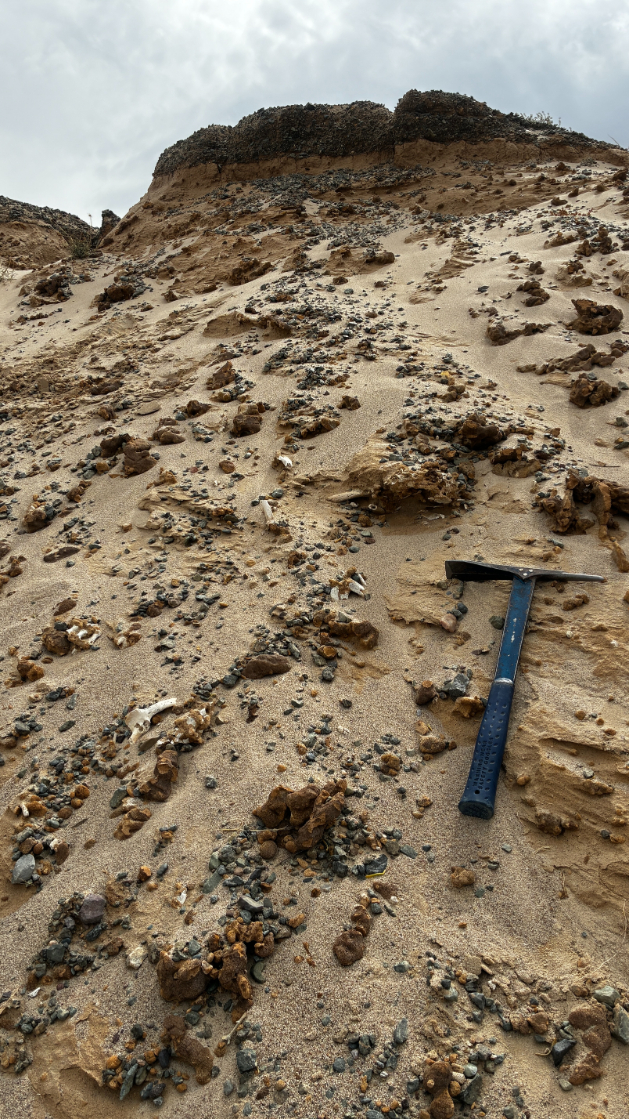
Velociraptor skeleton
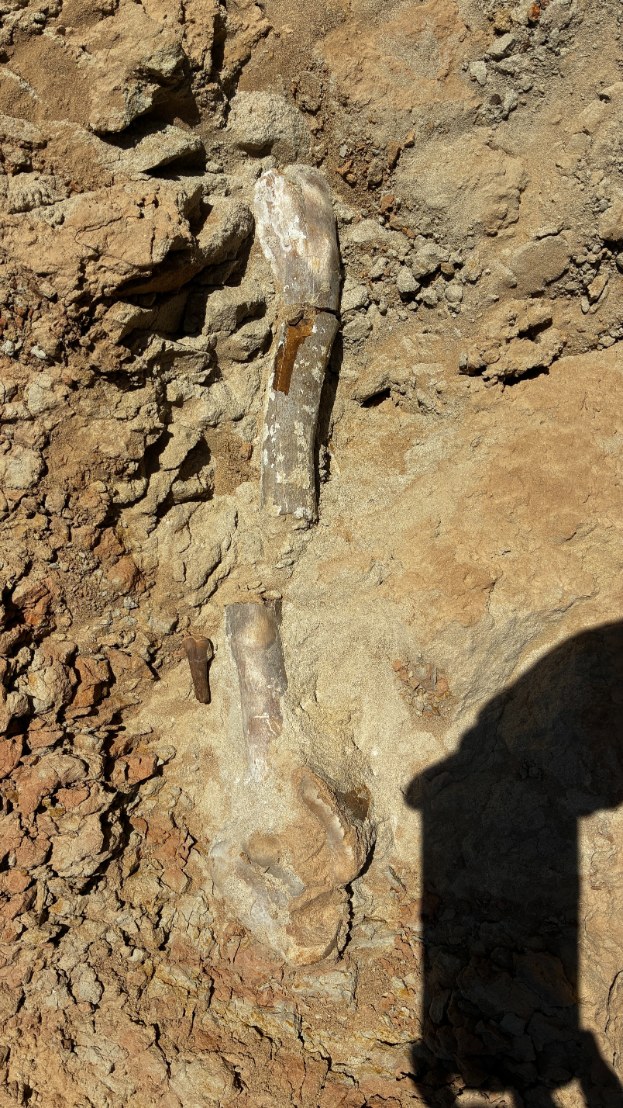
Tyrannosaur femur and humerous
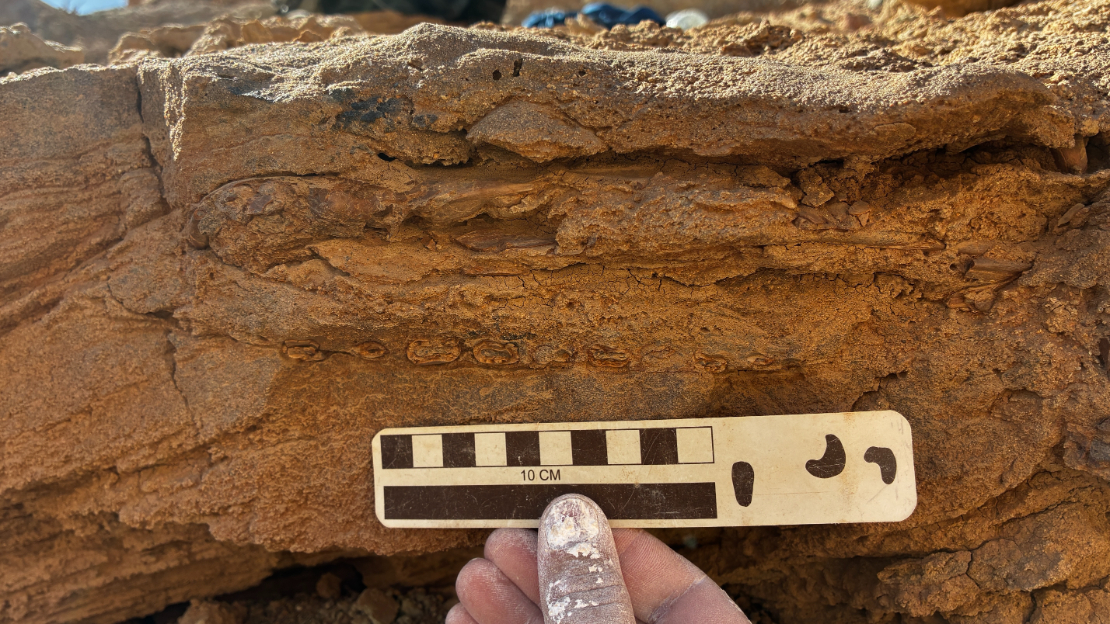
Tyrannosaur toothrow
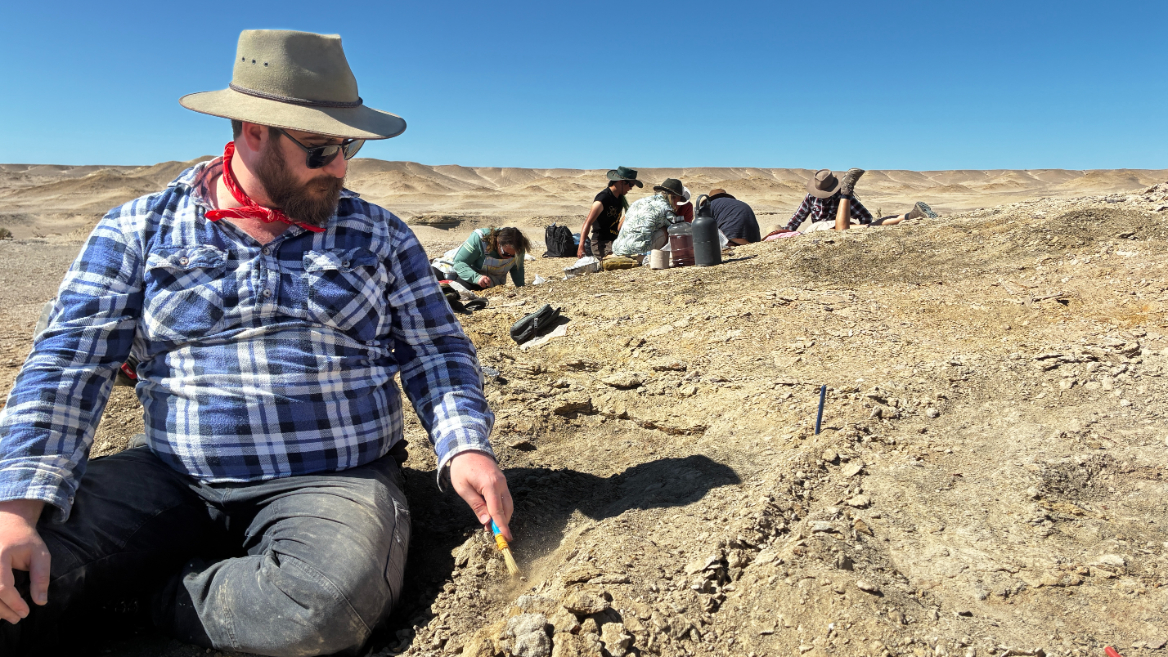
Working away in the field
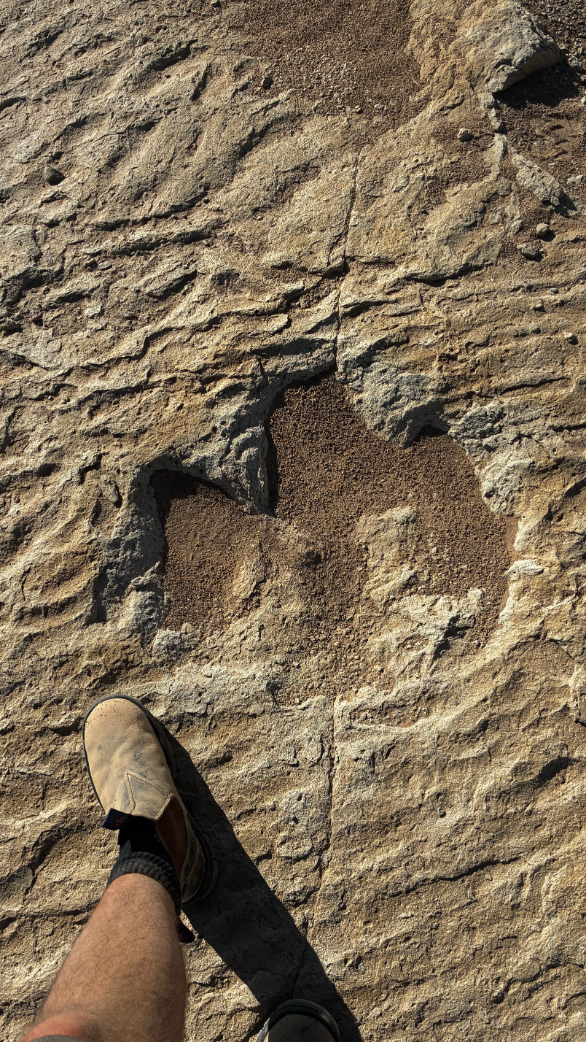
A dinosaur footprint
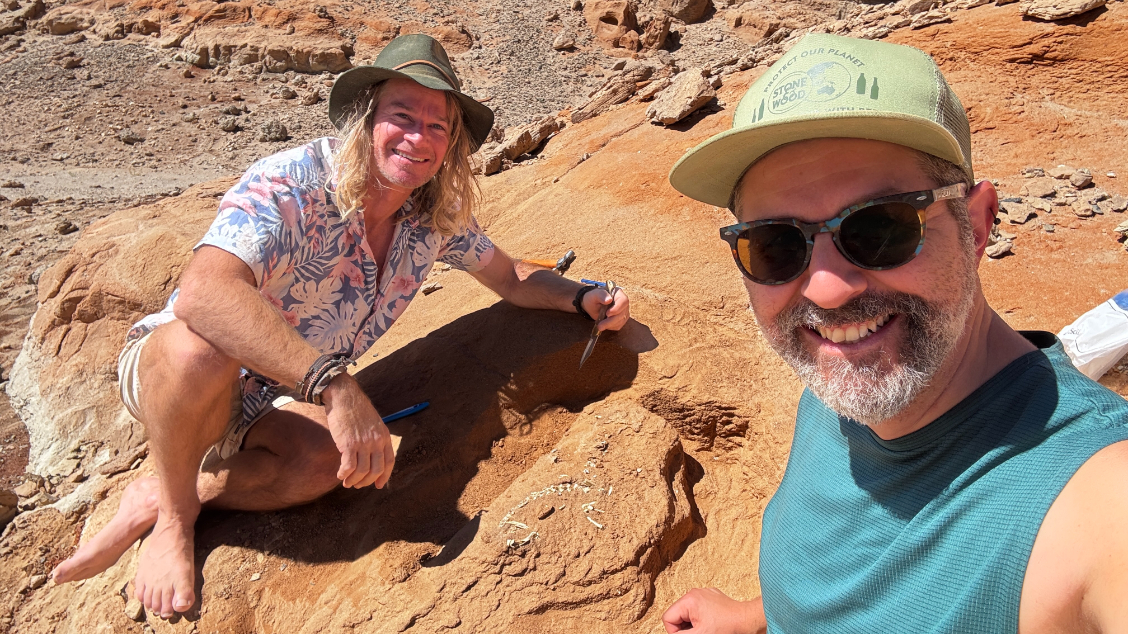
Associate Professors Phil Bell and Nic Campione next to a cretaceous mammal fossil
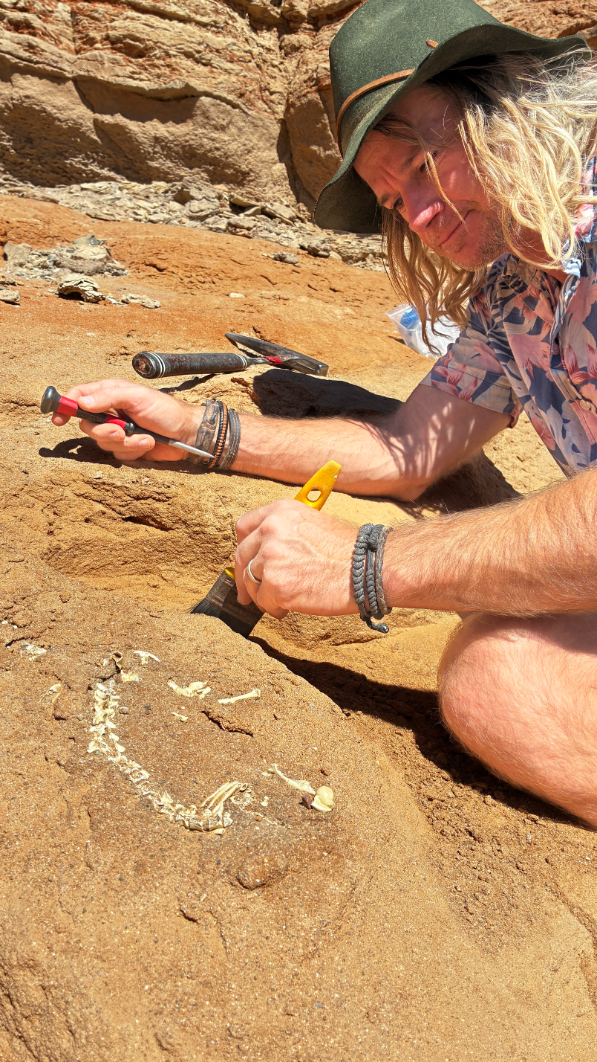
Associate Professor Phil Bell working on a mammal fossil
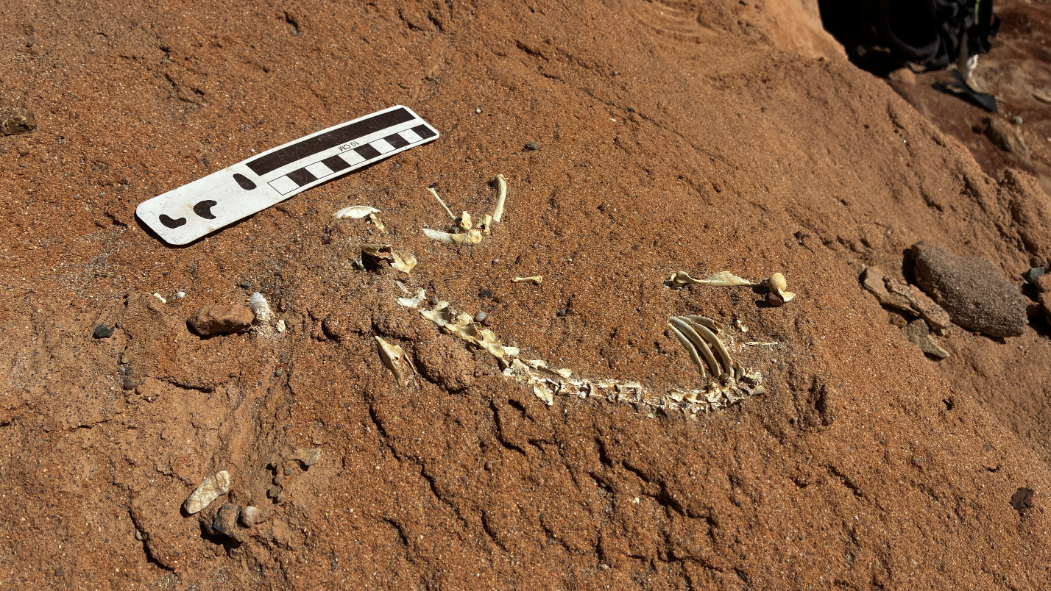
A cretaceous mammal discovered during the expedition
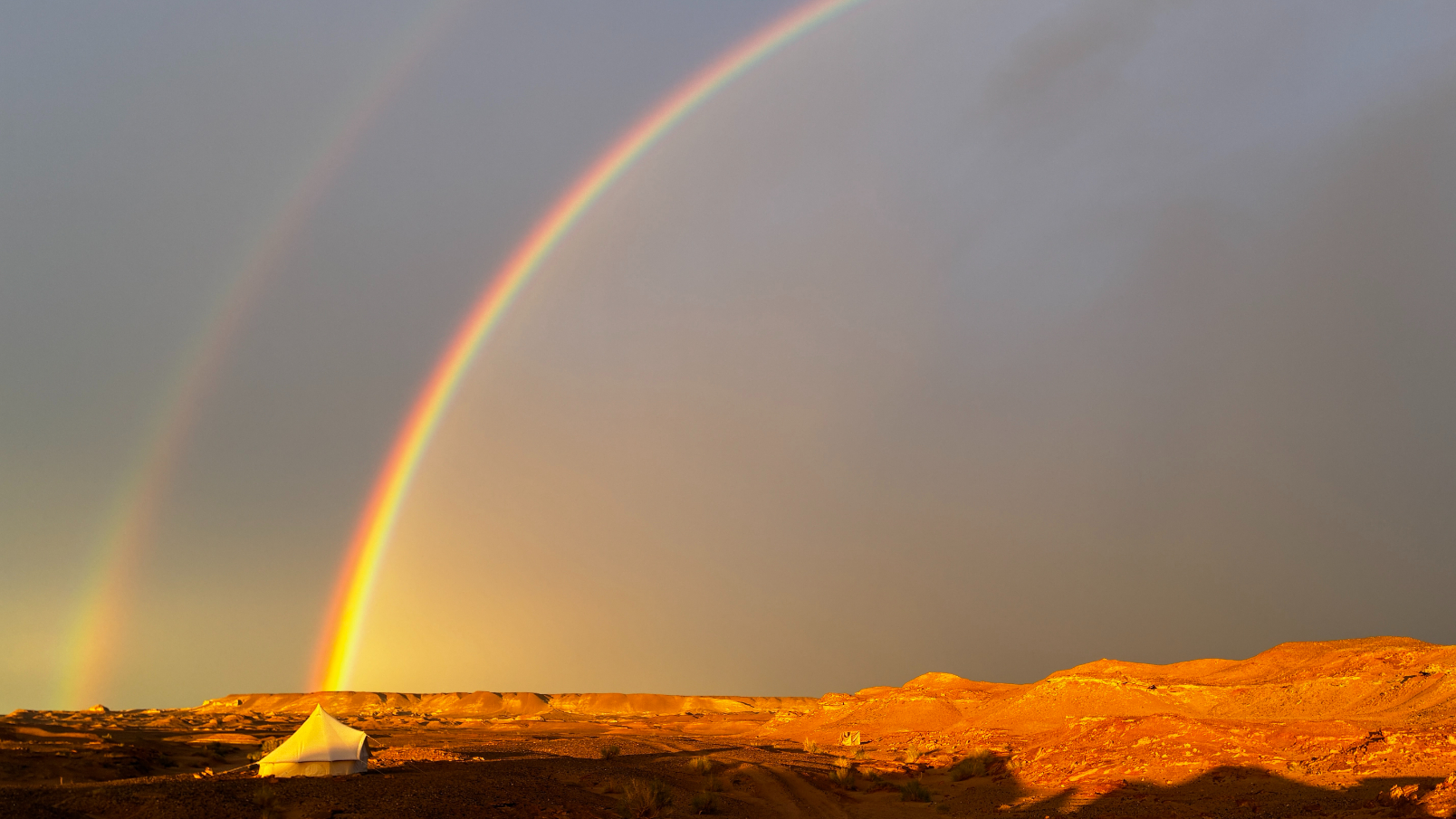
A rainbow hitting the campsite in the desert
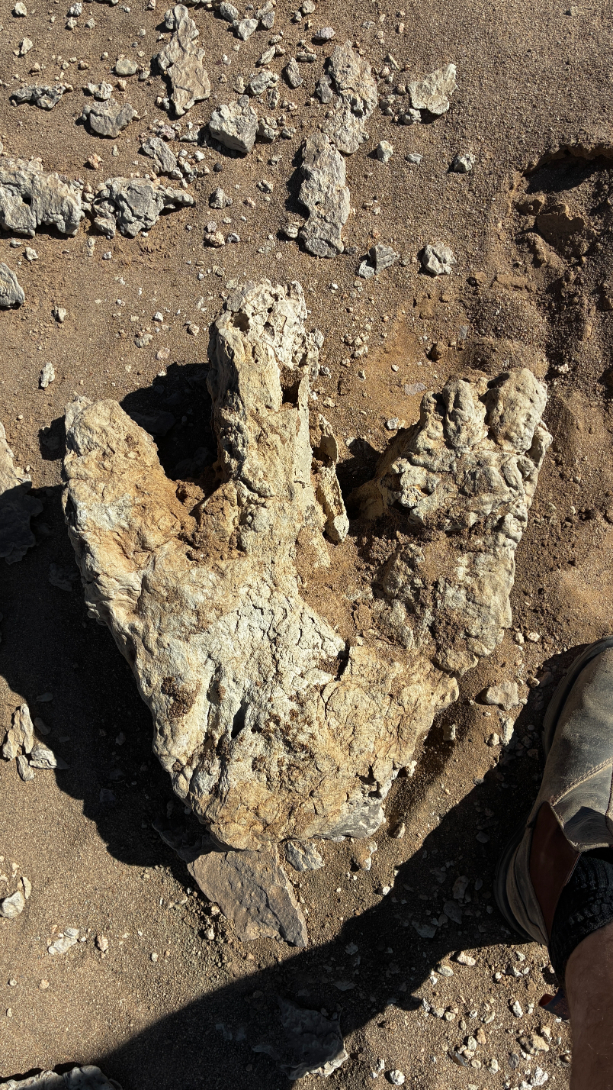
Dinosaur footprint
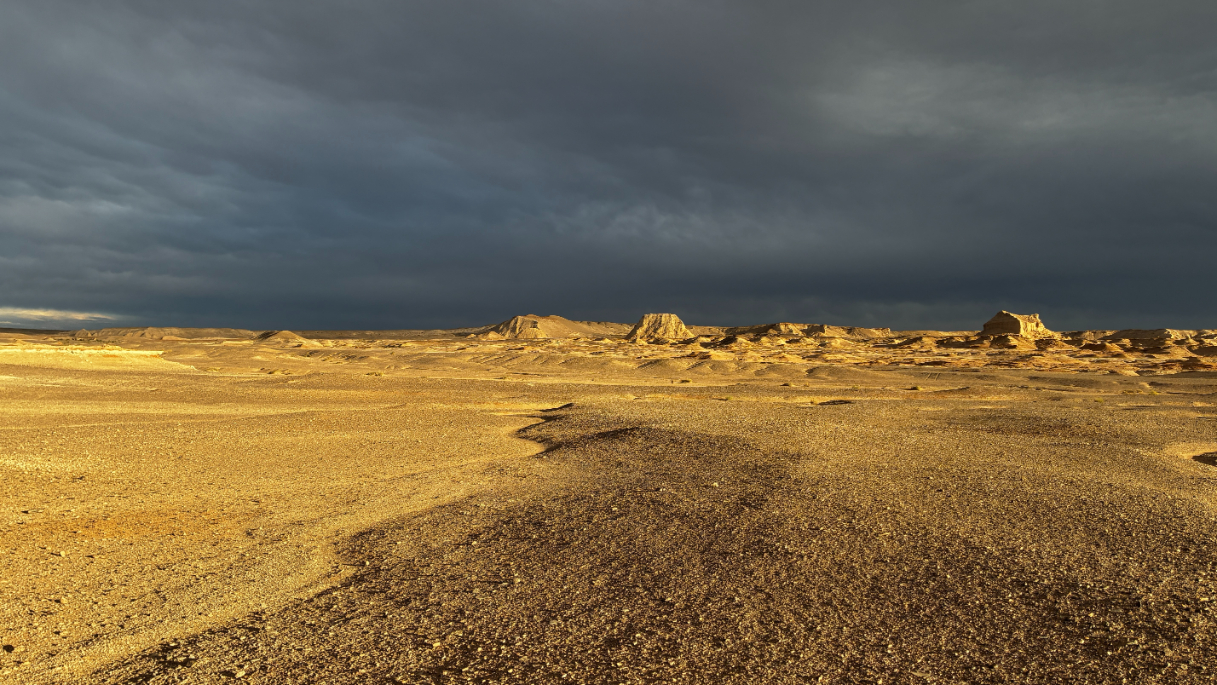
The Gobi Desert
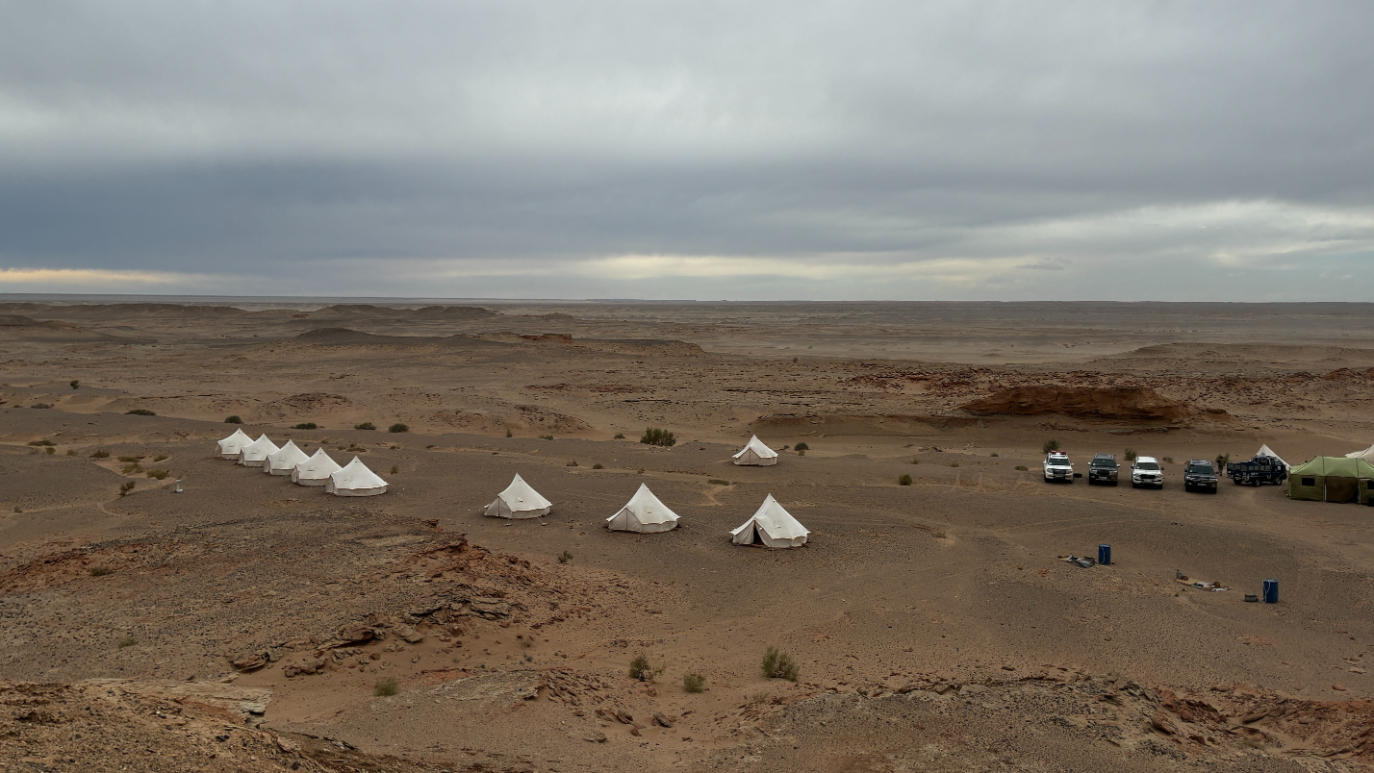
The campsite
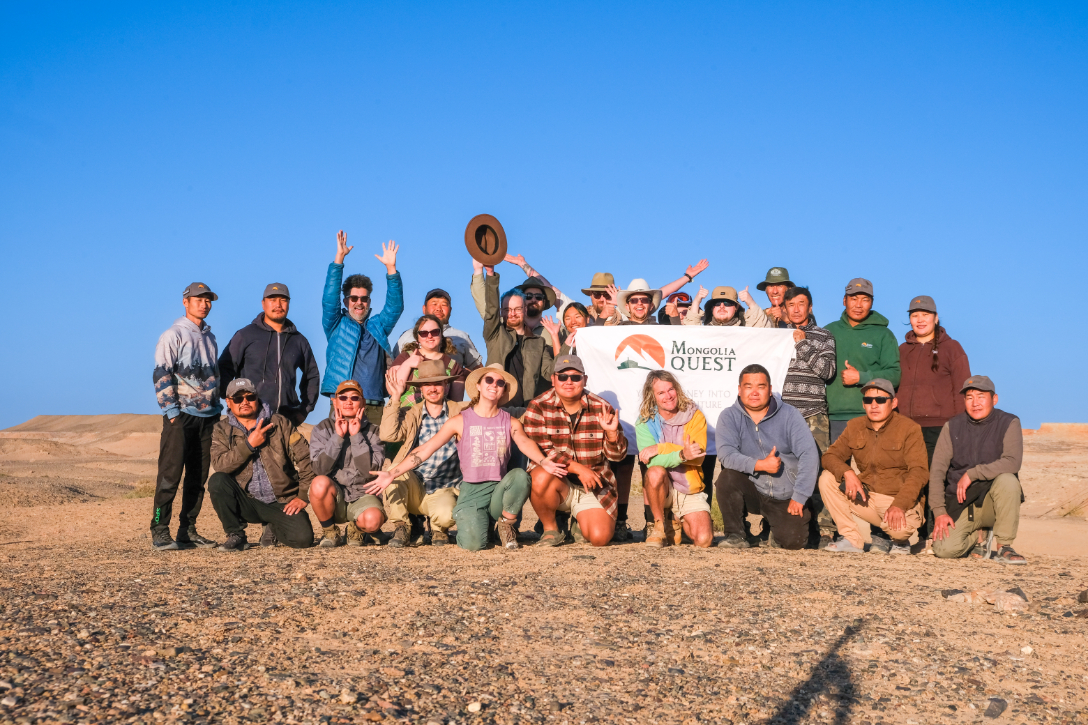
Group photo


