
As we reach the end of January, many people have already given up on their health and fitness-related New Year's resolutions, with a common culprit being lack of willpower or motivation.
Below, Associate Professor Gal Winter, qualified nutritionist and Discipline Convenor of Biomedical Science at the University of New England unpacks why your gut may be playing a bigger role than you think.
Understanding the gut-energy connection
Ever felt bloated, like you are physically being drawn down to earth by the weight of your belly? That heaviness is a sign that your inner engine is struggling.
That fatigue starts in the gut. When your digestion is struggling, it drains your body's resources just to manage the load.
An important part of your gut engine is your microbiome: the trillions of bacteria, fungi, and viruses living in your digestive tract that act as your personal chemical factory.
These microbes are critical metabolic partners. They are responsible for 'energy harvesting': breaking down non-digestible fibres through fermentation to produce valuable compounds like Short Chain Fatty Acids (SCFAs), which define our intestinal environment. When this community is healthy and diverse, your metabolic processes are optimised. When it is disrupted (dysbiosis), efficiency drops, leading to that physical lethargy.
But when your microbiome is balanced and your digestive system is working properly, you feel a sense of lightness. You trade that 'heavy' feeling for sustained energy and mental alertness.
When your digestion is struggling, it drains your body's resources just to manage the load.
Why willpower isn't the problem: your gut might be
When people blame 'lack of willpower' for dropping their New Year's resolutions, they may be missing the real culprit. We are too quick to judge our character when we should be looking at our biology.
The gut and the brain are in constant communication via the vagus nerve and the immune system. When our microbiome is unbalanced or 'unhappy,' it can trigger low-grade inflammation. The brain interprets these inflammatory signals as a biological distress call, often resulting in what we call 'sickness behaviour': a state characterised by lethargy and a desire to withdraw.
So, when you feel unmotivated, it might not be a lack of mental discipline; it could be your gut signalling your brain to conserve energy to deal with a biological energy crisis.
The brain interprets these inflammatory signals as a biological distress call, often resulting in what we call 'sickness behaviour': a state characterised by lethargy and a desire to withdraw.
The battle inside your gut: inflammation vs nourishment
When we eat highly processed foods, we feed 'weeds' in the gut garden that cause low-grade inflammation. Your immune system fights this inflammation, which drains your battery. Conversely, when we feed our 'good guys' fibre, they produce metabolites which are literally high-octane fuel for our gut cells and brain, keeping us sharp and energised.
When we eat highly processed foods, we feed 'weeds' in the gut garden that cause low-grade inflammation.
Building biological resilience: how gut health supports your goals
A healthy gut microbiome helps regulate blood sugar response, preventing those sharp spikes and crashes that leave us craving sugar on the couch at 3pm. When your gut barrier is strong and your microbes are happy, you gain a biological resilience: a steady baseline of energy that makes sticking to a new gym routine or habit feel physically possible rather than like an uphill battle.
When your gut barrier is strong and your microbes are happy, you gain a biological resilience.
Supporting long-term energy: key nutritional strategies for gut health
Keep it simple by focusing on diversity and fermentation. Some practical tips include:
- Eat the Rainbow. The more diversity the better!
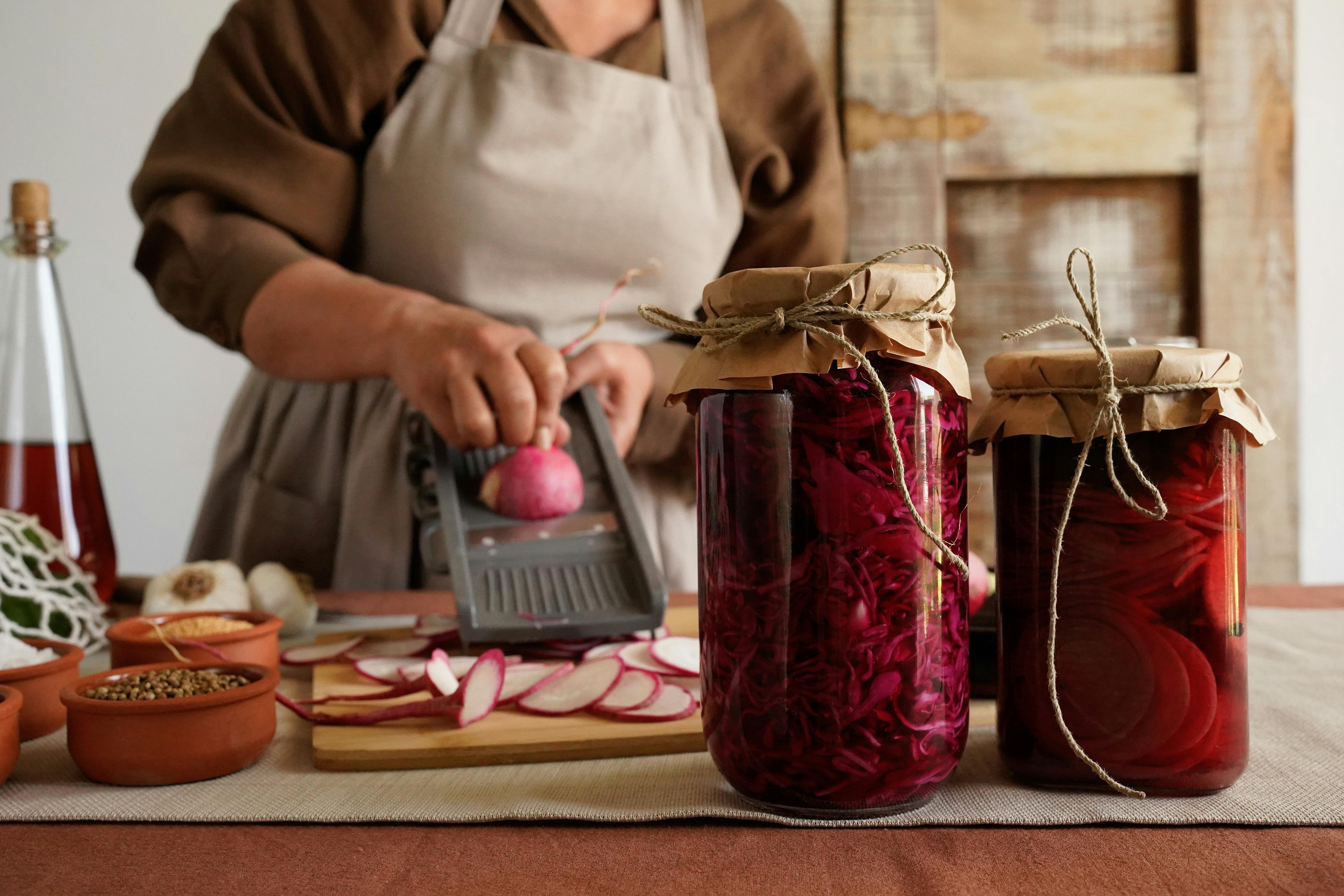
- Incorporate Fermented Foods Daily. Add 'alive' foods like yoghurt, sauerkraut, or kimchi daily to train your immune system.
- Feed Your Microbes. Remember, you are never eating alone: you are feeding trillions of guests. Choose fibre-rich foods that keep them happy and support the digestive process so they keep you energised.
Explore nutrition education at UNE
If you are interested in learning more about health and nutrition, here are some courses you could try:


