
New year, new you? Not so fast. While January brings a flood of fitness resolutions and wellness promises, the reality is that most goals fizzle out before February hits.
Over the summer, we are sitting down with a range of experts from UNE’s School of Science and Technology to unpack how everyone can build New Year’s resolutions that actually stick.
Below, Dr Bradley Morris, UNE Lecturer in Exercise and Sport Science, explores why the number on the scales matters far less than how you feel, function, and fuel yourself (and what you should focus on instead).
Common traps in New Year's fitness resolutions
The biggest trap is banking on motivation. Motivation is emotional and fades fast, but discipline means choosing one small habit and sticking with it even when life gets hectic.
Another classic mistake is the all-or-nothing overhaul. New diet, new gym routine, new sleep schedule, all starting Monday. That recipe usually ends in burnout or injury by February. A smarter play? Focus on one achievable change at a time and tie it to feeling good, not punishment.
When exercise makes you feel stronger and more energised, you actually want to keep going.
Focus on one achievable change at a time and tie it to feeling good, not punishment.
Exercise myths and how to spot misinformation on social media
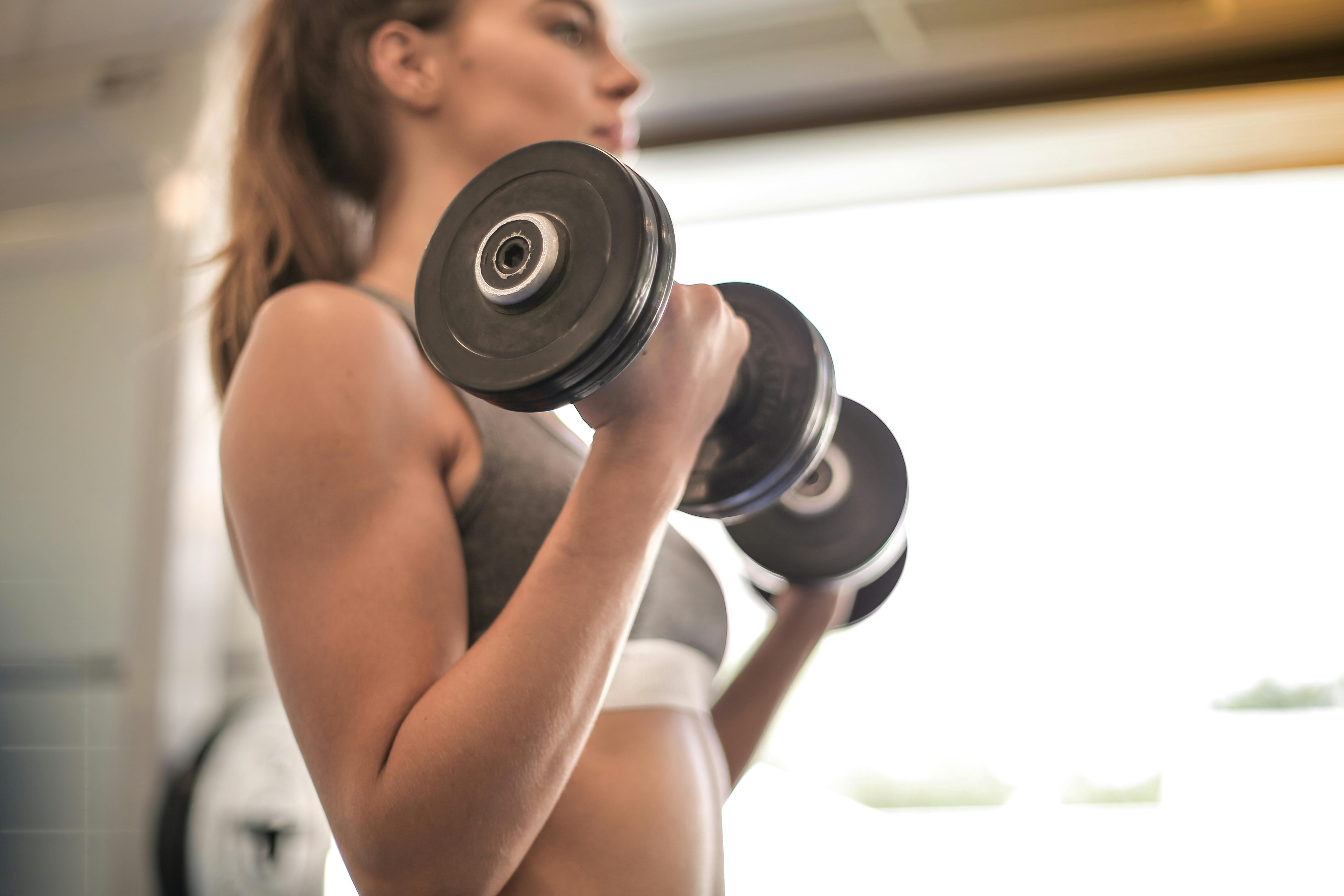
An example of a myth that refuses to die, especially for women, is that 'lifting weights makes you bulky.'
Here's the truth. Building serious muscle takes years of heavy, targeted training plus a consistent calorie surplus. You won't wake up accidentally jacked.
Pilates is brilliant for control and local endurance while resistance training builds bone density and metabolic health. Both have value, but they do different things.
To dodge misinformation, check the source. Are they accredited through ESSA or ASCA? Do they cite actual research? If the advice comes from someone with great lighting but no qualifications, scroll on.
If the advice comes from someone with great lighting but no qualifications, scroll on.
Why the scales don't tell the whole story: measuring real progress
Scales measure your relationship with gravity, nothing more. They lump muscle, fat, bone, and water into one number with zero context. When you start training, it's common to lose fat while gaining muscle at the same time. The scale might barely budge, yet your body is transforming.
Far better markers? How you feel and function. More energy through the day. Deeper sleep. Lifting heavier. Clothes fitting differently. Pair that with solid nutrition, and you'll notice changes the scale can never capture.
Scales measure your relationship with gravity, nothing more.
Recovery and progressive training: why trends like ’75 hard’ might do more harm than good
Challenges like 75 Hard sound impressive, but they often ignore a core principle: progressive overload with adequate recovery.
Jumping from minimal activity to two intense sessions a day spikes your risk of overuse injuries. Think tendon pain, joint flare-ups, even stress fractures.
Here's the thing most people miss. Exercise is the stimulus, but recovery is when adaptation actually happens. Sleep deeply, hydrate well, eat to rebuild, and schedule lighter days. If you want to use these challenges for structure, scale them to your current level and swap one session for a walk or mobility work.
Train smart, stay in the game long-term.
Exercise is the stimulus, but recovery is when adaptation actually happens.
Building sustainable fitness habits for 2026
Start small and stay consistent. Pick activities or exercises you genuinely enjoy because that's what you'll actually keep doing. Try 'exercise snacking', which is breaking exercise into small pieces of seconds or minutes rather than a 30 or 40 minute block. Three 10-minute walks are just as valuable as one 30-minute block, and far easier to fit into a busy day. Squats while the kettle boils. Calf raises brushing your teeth. A flight of stairs between meetings. These micro efforts add up without demanding a gym trip.
Show up consistently over crushing it, and if you miss a day, get back on the horse. Jump straight back the next day and build consistent runs of planned exercise. That doesn't mean training every day either. Rest days are part of the plan.
Fitness should enhance your life, not consume it. The best program is always the one you can stick to.
Start small and stay consistent.
Explore nutrition and exercise and health science at UNE
If you are interested in learning more about health and fitness, here are some courses you could explore:


