The UNE nursing academic was recognised for her initiative "AI-Enhanced Virtual Clinical Placements: Bridging Rural Healthcare Education Gaps", which uses generative AI to create immersive, adaptive learning experiences that simulate real-world healthcare scenarios.
"I nearly fell off my seat," Dr Fagan said when she learned of her win. "I sat down and I half read the email and then I read it again and I went, oh my God."
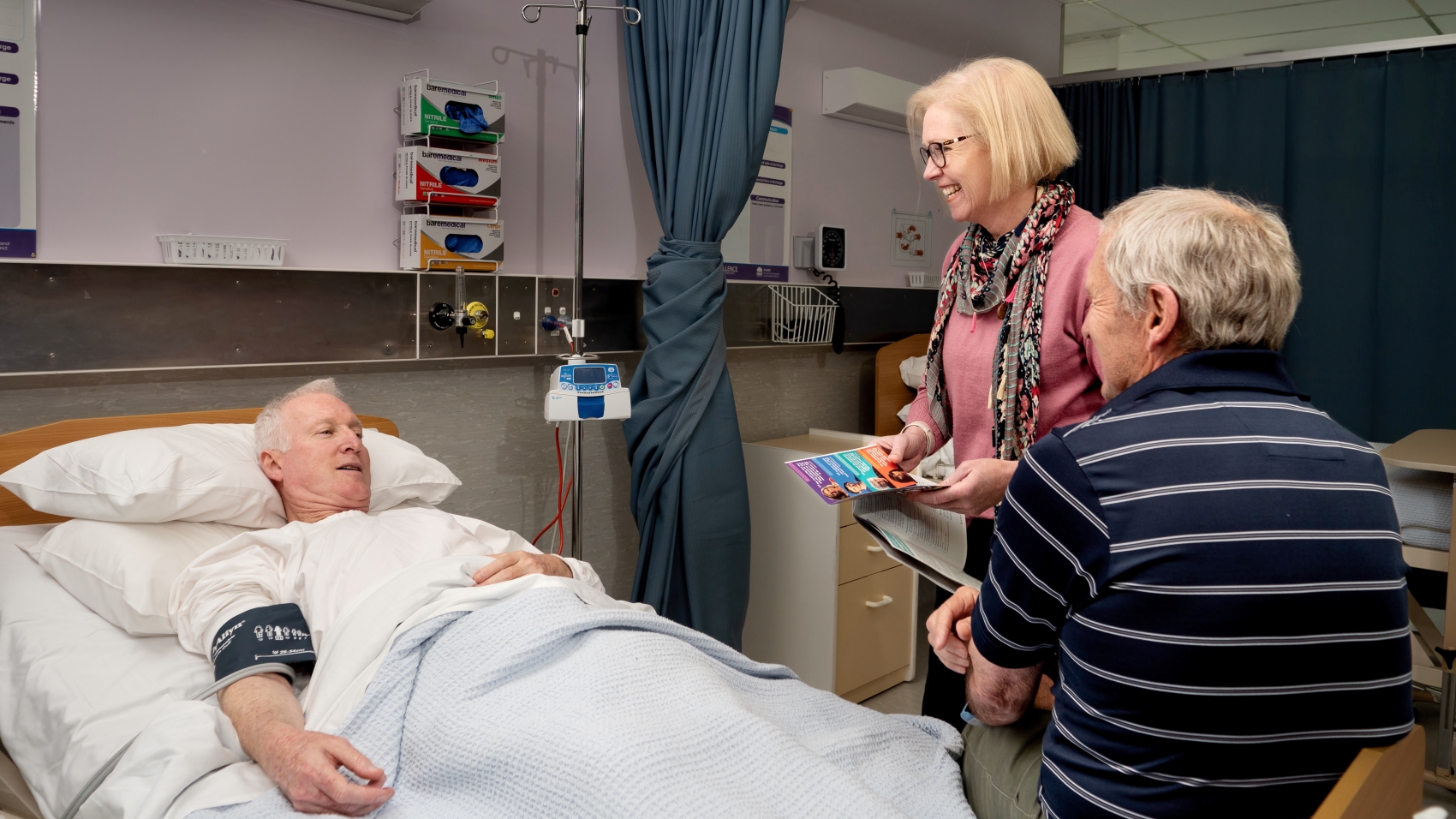
The innovative platform addresses a critical gap in nursing education by providing virtual clinical placements for units that don't have traditional face-to-face placement components. It serves both undergraduate and postgraduate nursing students, creating dynamic patient interactions across aged care management and community healthcare delivery.
The virtual placement platform emerged from Dr Fagan's observation that certain clinically focused units, particularly in aged care and chronic conditions, lacked the practical placement experience students needed to connect theory with real-world application. "When you have just theory learning, it's the application that will impact what our real nurses are doing out there in practice," Dr Fagan explained.
Working closely with the UNE Partnerships design team, Dr Fagan developed what she describes as a "five-day equivalent of placement" delivered flexibly online. Students don't need to complete the placement in consecutive days or continuous eight-hour blocks, allowing them to fit the experience around work and family commitments.
The platform includes realistic scenarios such as admitting new residents to aged care facilities, managing infectious disease outbreaks, handling ethical issues, and responding to unexpected deaths. For undergraduate students, the chronic conditions module features an AI chatbot representing a patient with chronic pain who responds naturally to student interactions.
"We basically created a person in the background," Dr Fagan said. "It actually is set to ask you the questions to lead you to having good and effective communication." If a student forgets to introduce themselves or asks inappropriate questions, the AI patient responds accordingly, teaching professional communication skills in a safe environment where "no one is getting harmed."
The impact on student learning has been significant, with satisfaction scores improving from 2.9 to 4.3 out of 5. Student feedback confirms the platform's effectiveness, with one participant noting: "The virtual placement learning modules provided realistic scenarios to bridge the gap between theory and practice."
For rural and regional students, the benefits extend beyond learning outcomes. Traditional clinical placements require travel, accommodation costs, and time away from work and family. "Placement costs money for students. It's expensive. They've got to travel. They've got to potentially pay two lots of accommodation," Dr Fagan said. "So it takes away the cost. And yet they still get that experience."
The platform also provides access to diverse clinical scenarios that may not be available in students' local areas, particularly important for those already working in rural healthcare settings. "We have rural students everywhere. And not everywhere has certain activities that they could be involved in, in their own aged care facilities where they might already be working," Dr Fagan said.
The virtual placements feature carefully crafted details designed to immerse students in realistic healthcare environments. Dr Fagan created fictional facilities including Senus Cura Home (Latin for "aged care") for the aged care module and Bushland Health Hub Clinic for the community health module, complete with custom logos and avatar clinical facilitators who guide students through orientation and daily activities.
Students can repeat scenarios multiple times to consolidate their learning. "If you want to repeat the scenario and learn from it on a second or third or fourth time, that's just giving you opportunity to solidify the knowledge and skills," Dr Fagan said. "Then you get into practice and you go, I've been here before, I know what to do."
Dr Fagan believes her win reflects the platform's alignment with the Regional University Network's mission to support rural and regional students. "I think the recognition of it coming first really comes around that bridging the gap and that we have rural students everywhere," she said.
Dr Fagan was quick to acknowledge the collaborative effort behind the award, particularly the work of the UNE Partnerships design team and colleague Tash Hawkins who contributed to scenario development. "I forwarded on to them straight up and just said, I couldn't have done it without them," she said.
The 2025 RUN Learning and Teaching Awards recognised innovative uses of generative AI to enhance student learning across regional universities. Two other UNE academics were also finalists: Mitchell Smidt for the UNE Belong AI Ecosystem supporting student engagement, and Dr Lucie Newsome for personalised learning through H5P workbooks and tutor bots in the Business School.


