
For many, the chance to dig for dinosaurs in one of the world’s most renowned fossil-deposits is a far-fetched dream, but for a handful of aspiring UNE palaeontologists, it recently became their reality.
Nine UNE students got the rare opportunity to travel to Mongolia’s Gobi Desert for an expedition to uncover new fossils and contribute to ongoing research on the dinosaurs that once roamed the region.
For Bachelor of Geoscience student, Tian Wong-See, seeing the unique region first-hand was an unmatchable experience.
“I learnt so many things from just being out there and actually seeing it, picking things up, seeing the inside of bones, and just being able to handle them and experience the environment that they were fossilised in. All of that was infinitely better than just seeing a picture online or in a book.”
For Bachelor of Science student, Mathew White, finding 70-million-year-old bird fossils in the field was a childhood dream come true.
“We found a lot of bird material at two different sites, and that was something I'll remember for the rest of my life. The connection between birds and dinosaurs was a massive element of my childhood love of dinosaurs, and as I got older, it just never went away.”
During the two-week expedition, the group explored several remote pockets of the Gobi Desert, including the famous ‘Dragon’s Tomb’ of Altan Uul; the Toson Bumbat Mountains; Mongolia’s ‘Grand Canyon’, Bugiin Tsav; and Tugrigiin Shiree, best known as the place where scientists uncovered a fossil of a Protoceratops and a Velociraptor locked in combat in 1971.
We found a number of exciting specimens that we are looking forward to examining further, adding to our understanding of what creatures roamed all those years ago, what they looked like, and what their day-to-day looked like.
The key purpose of the trip, however, was to soften the impact of illegal poaching on the region.
“Illegal fossil poaching has had a devastating impact on the region’s natural heritage, and we’ve lost countless dinosaurs to these activities,” says Associate Professor Phil Bell, who co-led the trip.
“With this expedition, we were hoping to restore lost locality and geological information for some of the specimens that have been repatriated and also find plenty of new things.”
For Master of Science student, Zachary Pullen, this aspect of the expedition was an eye-opening experience.
“Getting out there and actually seeing the poached sites was very interesting, to see how we can lose fossils for potential research because poachers are coming in and taking all the fossils.”
While there, the team made some exciting discoveries, including a juvenile Tarbosaurus (a close relative of T. rex), dozens of dinosaur footprints, and a nearly complete fossil mammal.
Now back in Australia, the attendees are looking towards potential research to build on their discoveries.
“We found a number of exciting specimens that we are looking forward to examining further, adding to our understanding of what creatures roamed all those years ago, what they looked like, and what their day-to-day looked like,” says Associate Professor Nicolás Campione, who also co-led the expedition.
For those interested in future trips, Dr Campione says to watch this space.
“We will return to Mongolia for a similar trip eventually, however, we have an exciting trip to Canada planned for 2026 which will be open to the wider community. More details on this will become available over the coming months.”
View some photos from this year's expedition below:
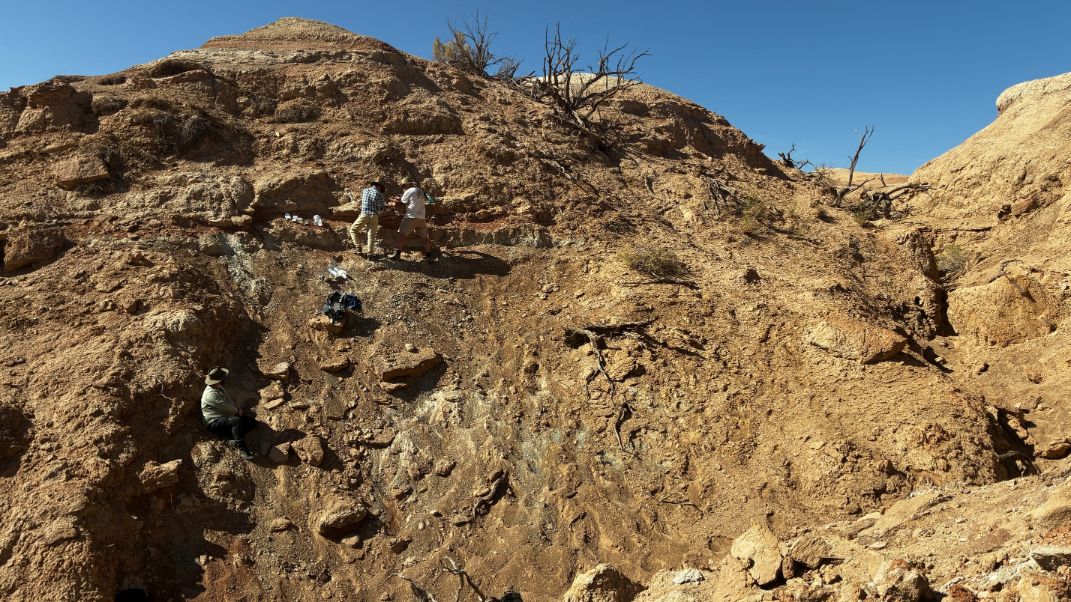
Working the tyrannosaur
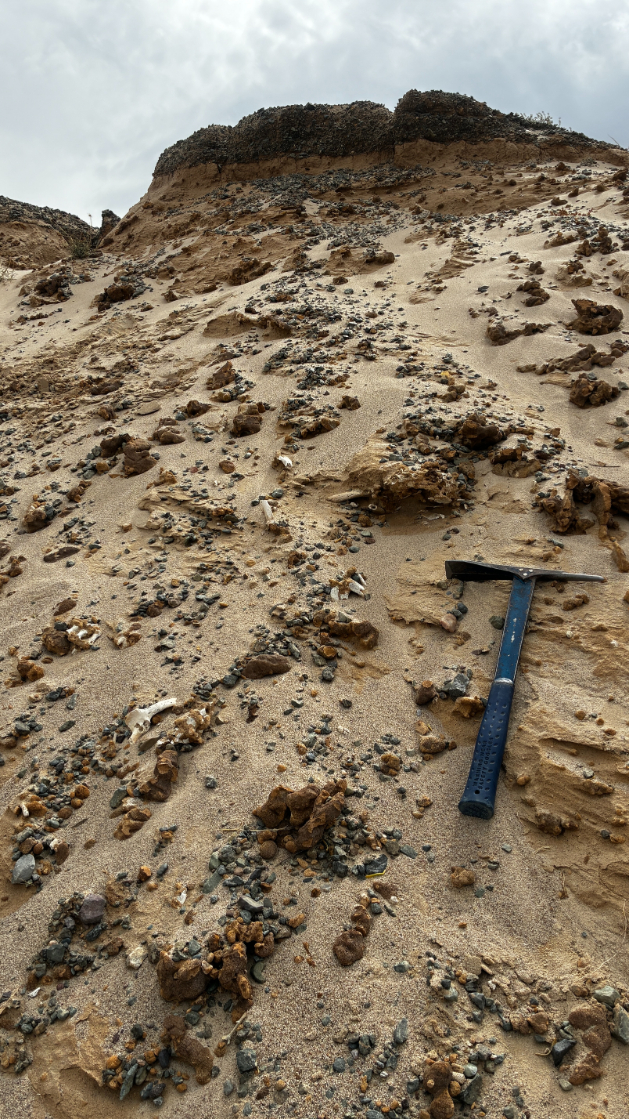
Velociraptor skeleton
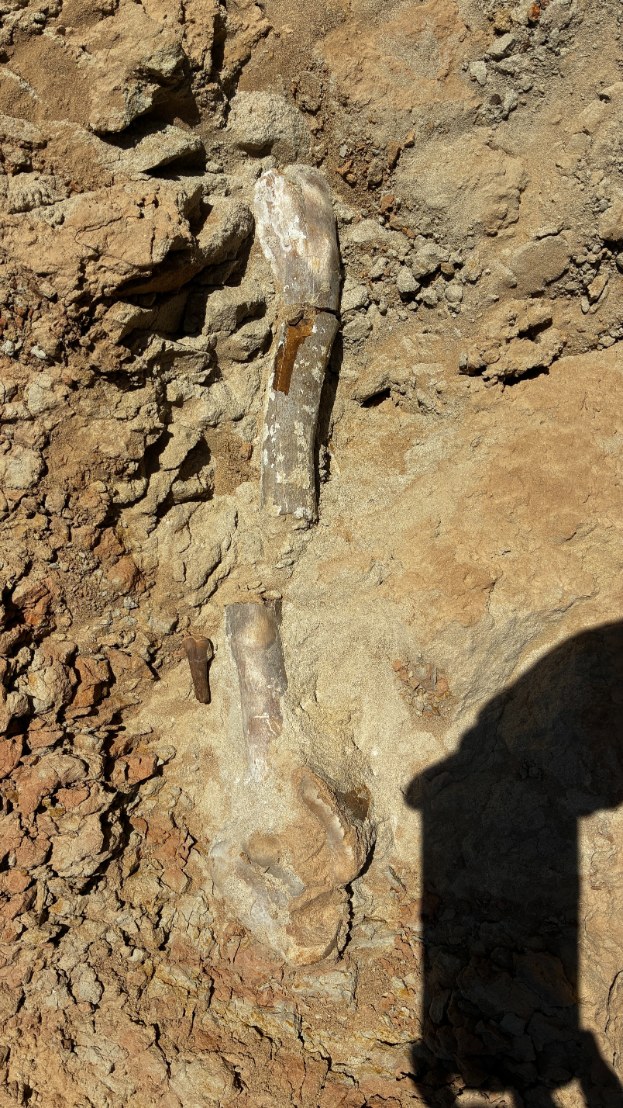
Tyrannosaur femur and humerous
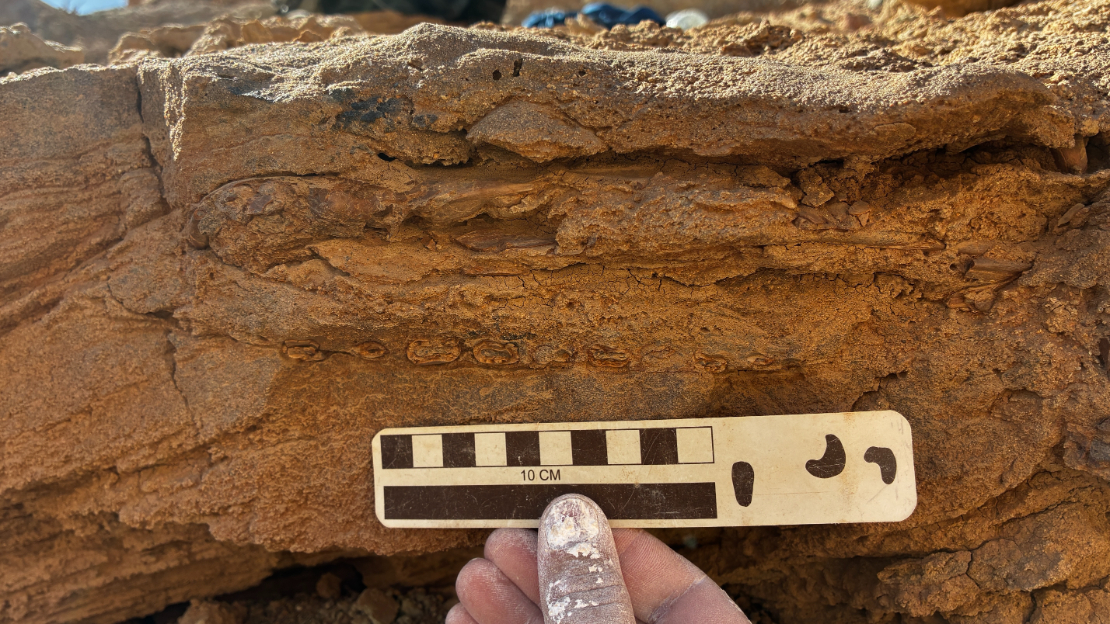
Tyrannosaur toothrow
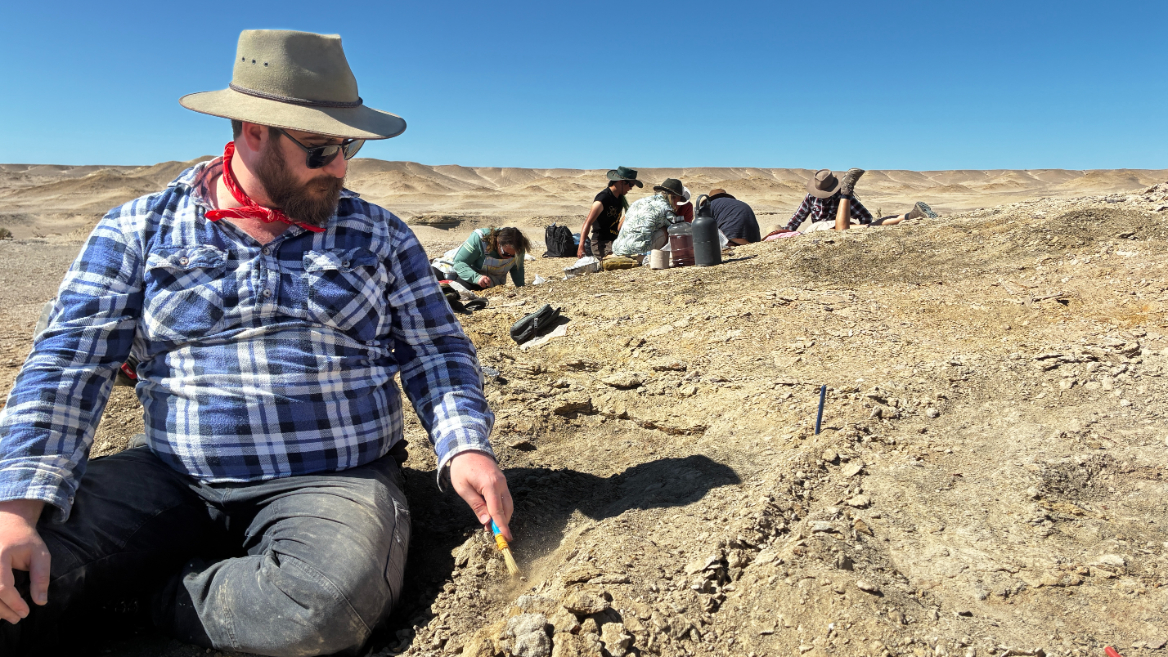
Working away in the field
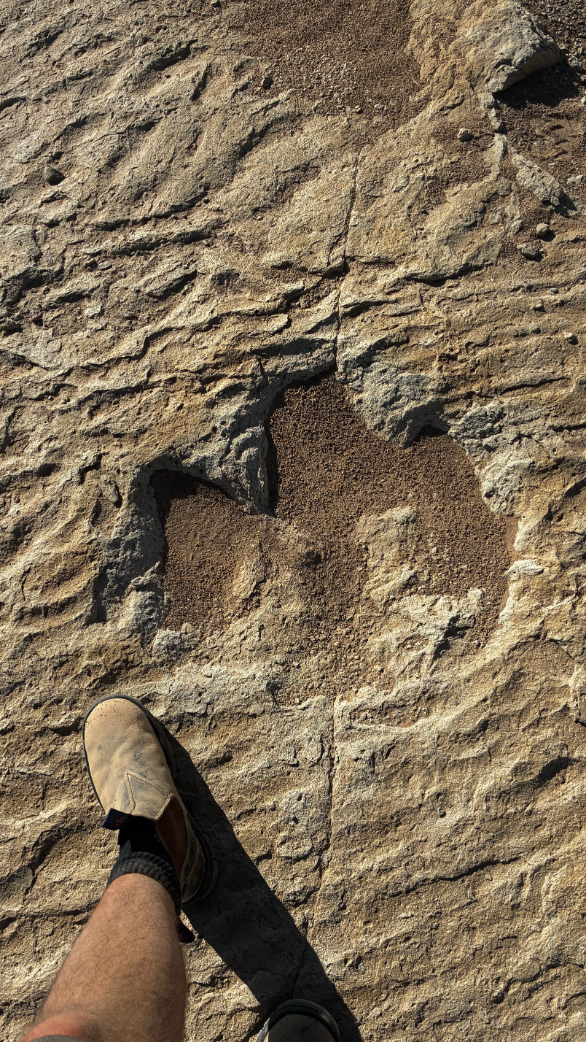
A dinosaur footprint
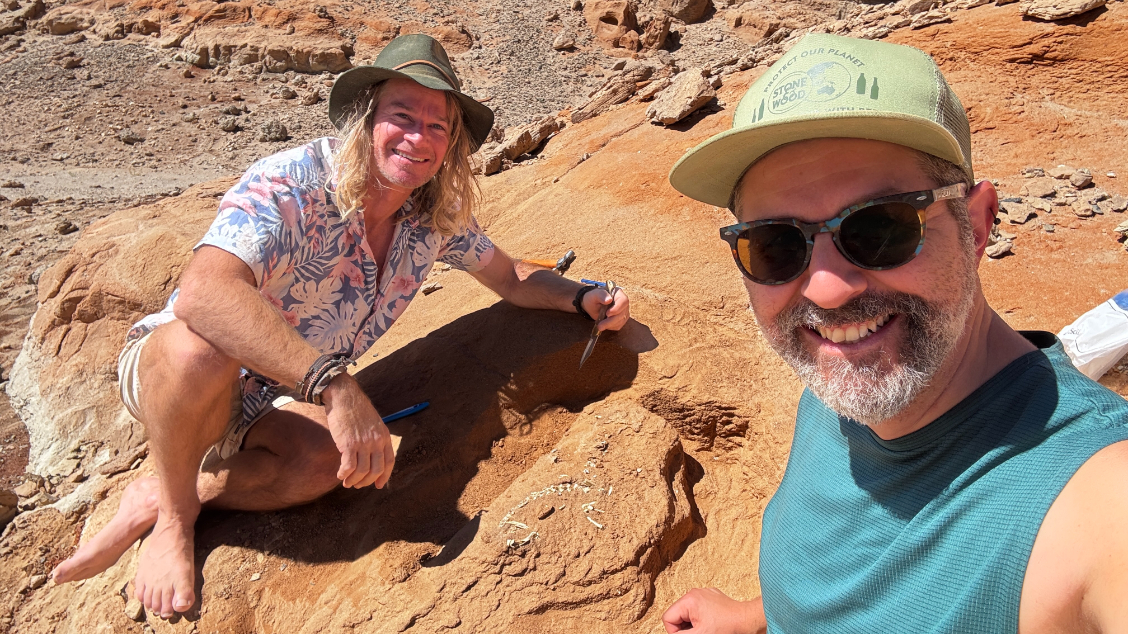
Associate Professors Phil Bell and Nic Campione next to a cretaceous mammal fossil
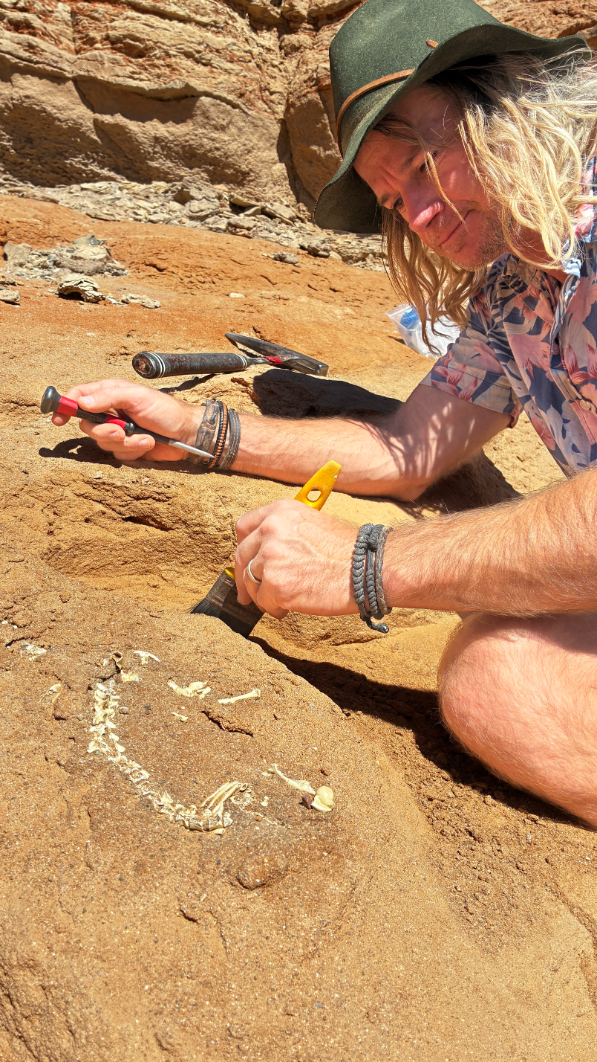
Associate Professor Phil Bell working on a mammal fossil
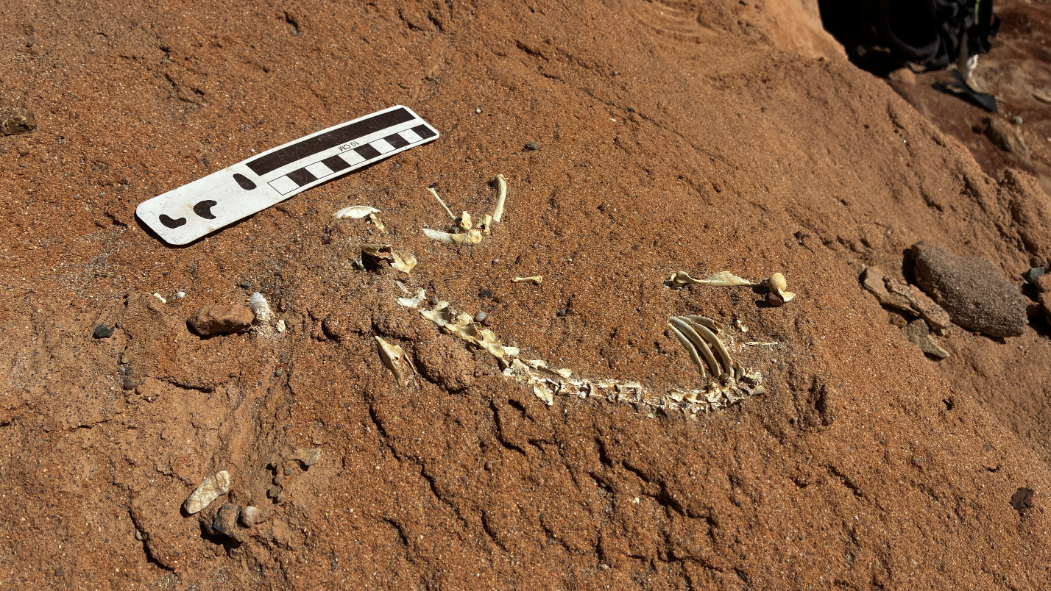
A cretaceous mammal discovered during the expedition
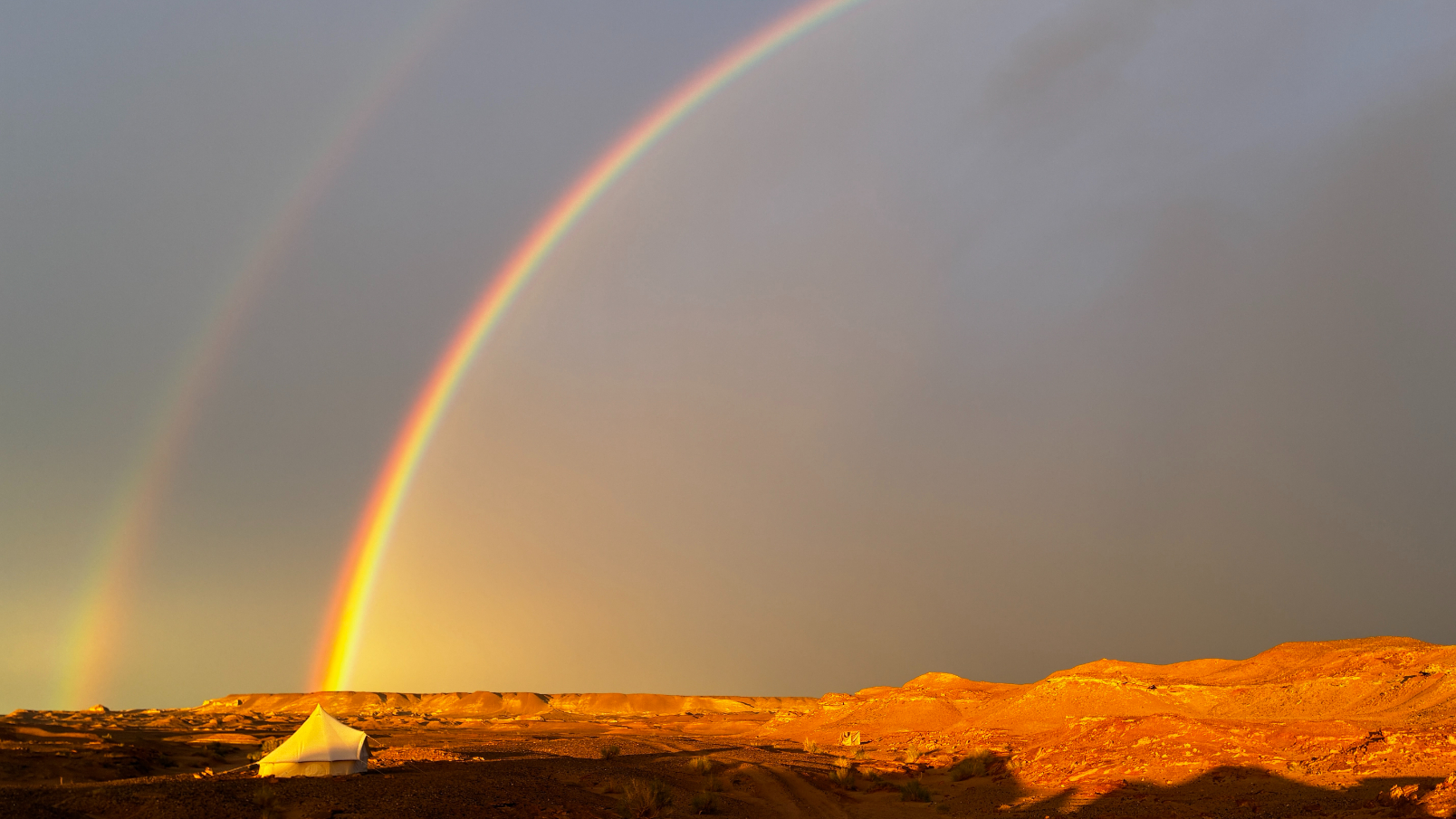
A rainbow hitting the campsite in the desert
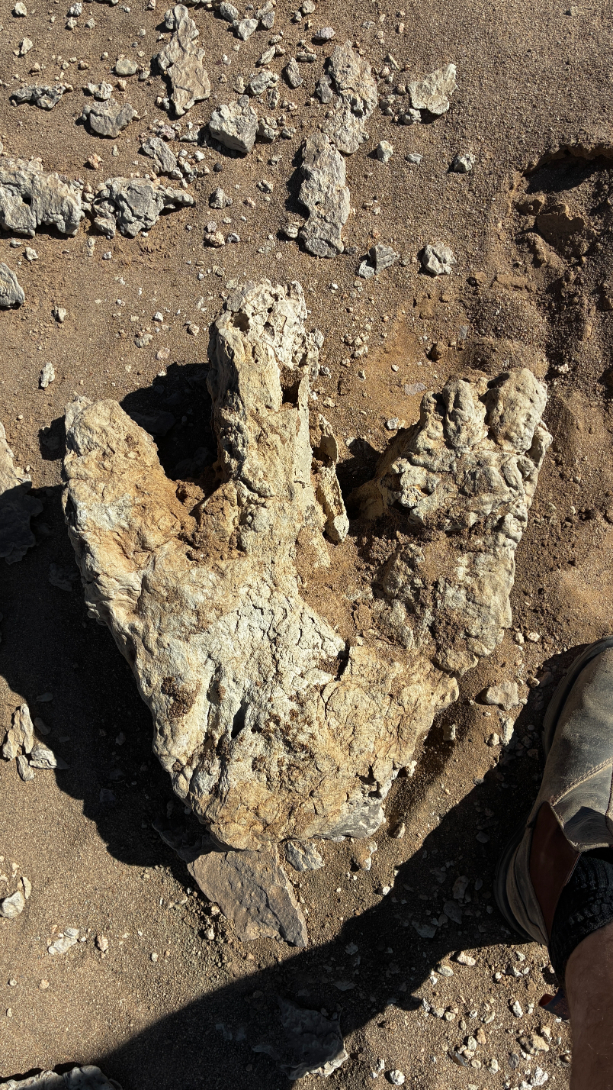
Dinosaur footprint
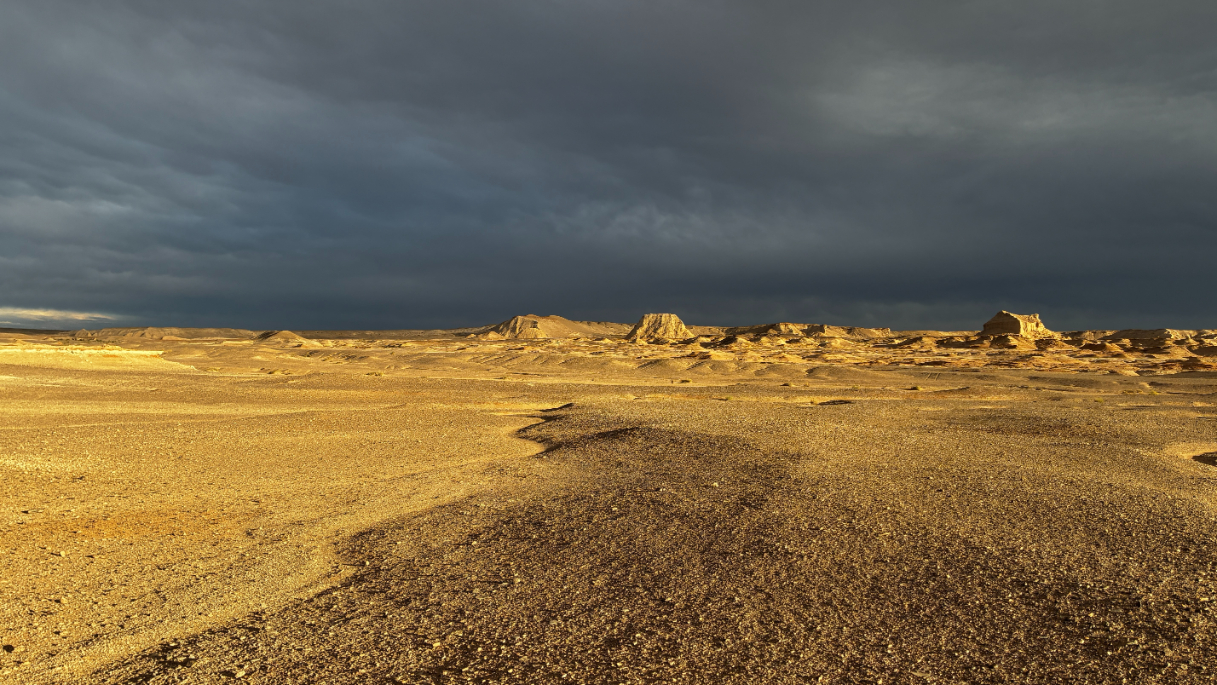
The Gobi Desert
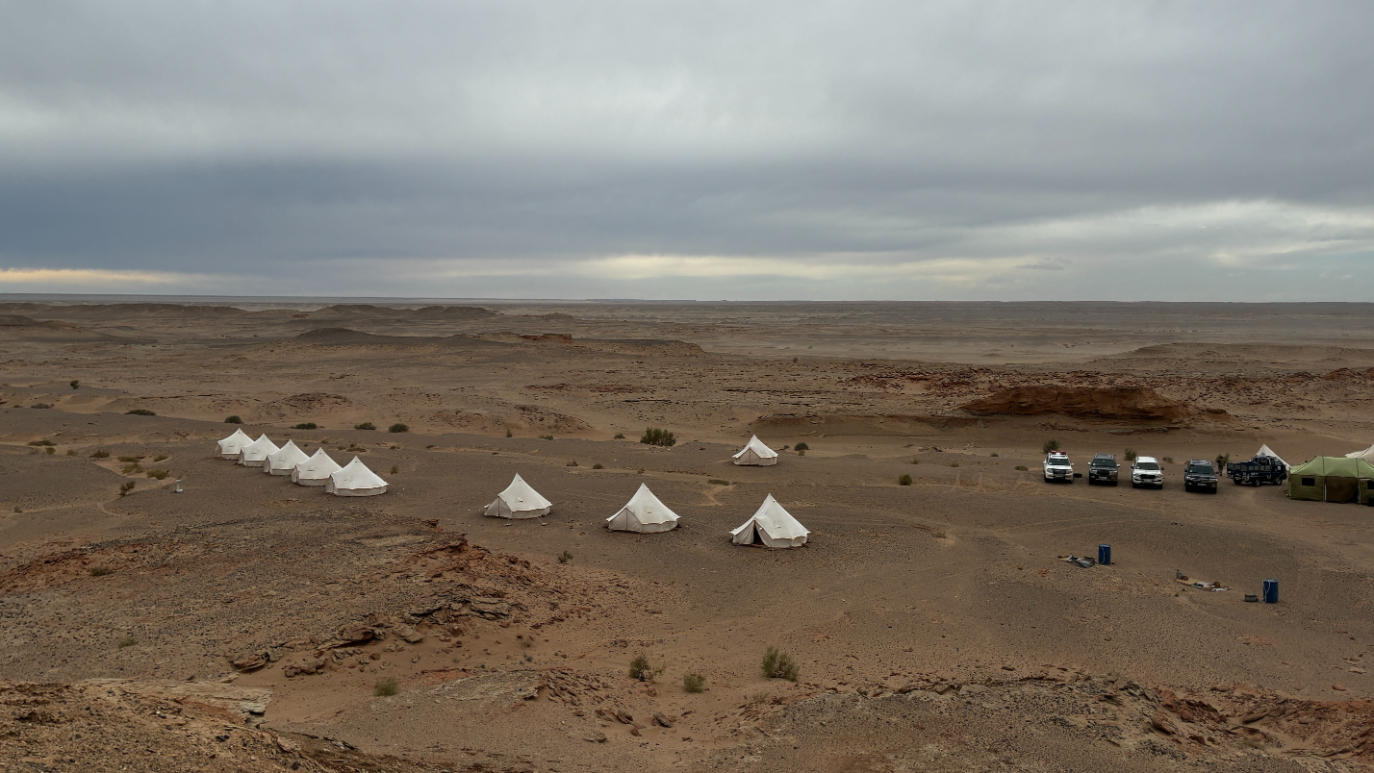
The campsite
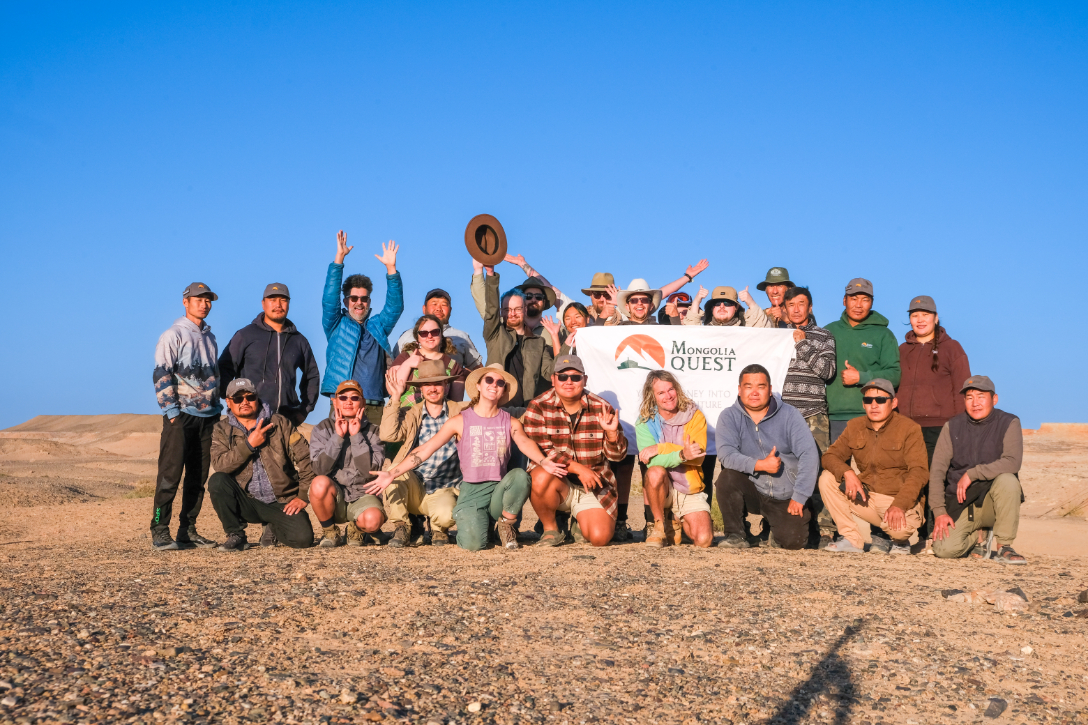
Group photo


