
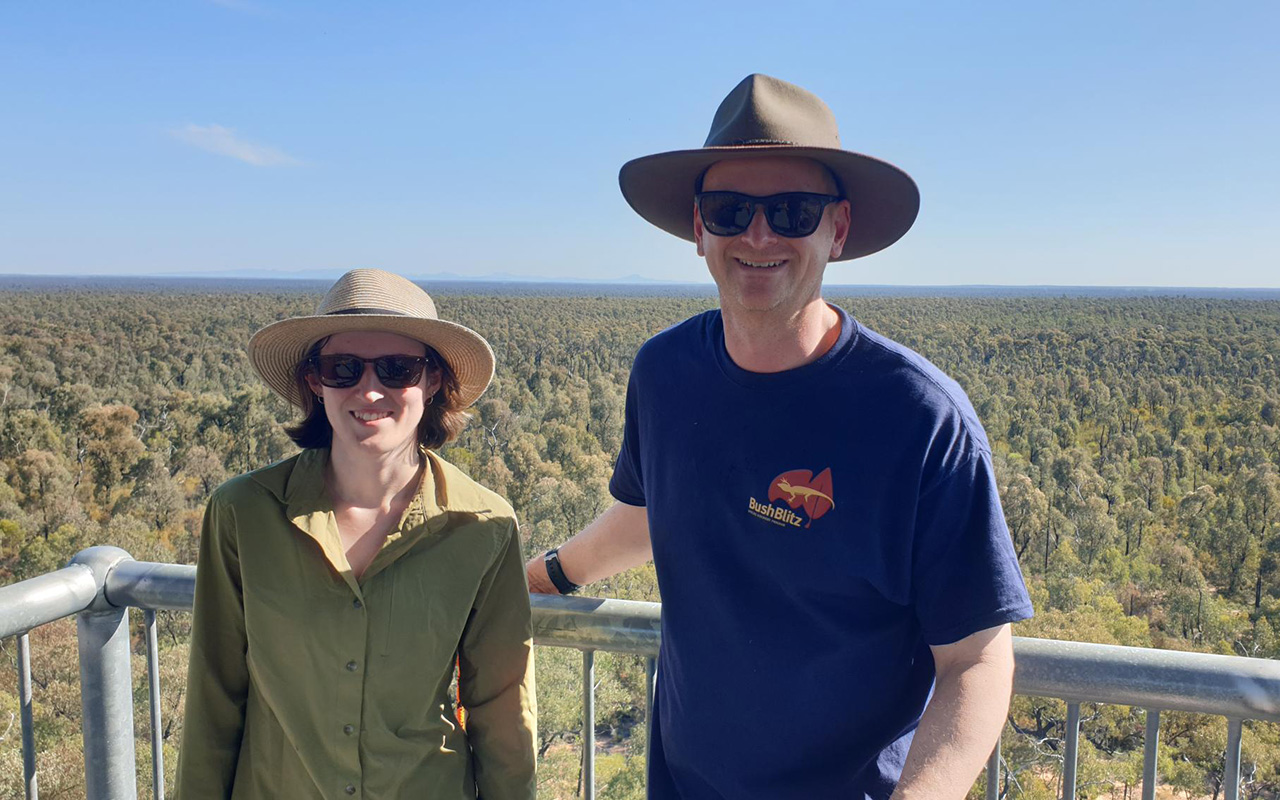
The opportunity to get out in the field and discover new plant species is not one that many undergraduate students ever get to experience, so when second-year Zoology student, Marama Harkness, was asked to join professional botanists on the 2025 Bush Blitz expedition to the Pilliga, she didn’t have to think twice.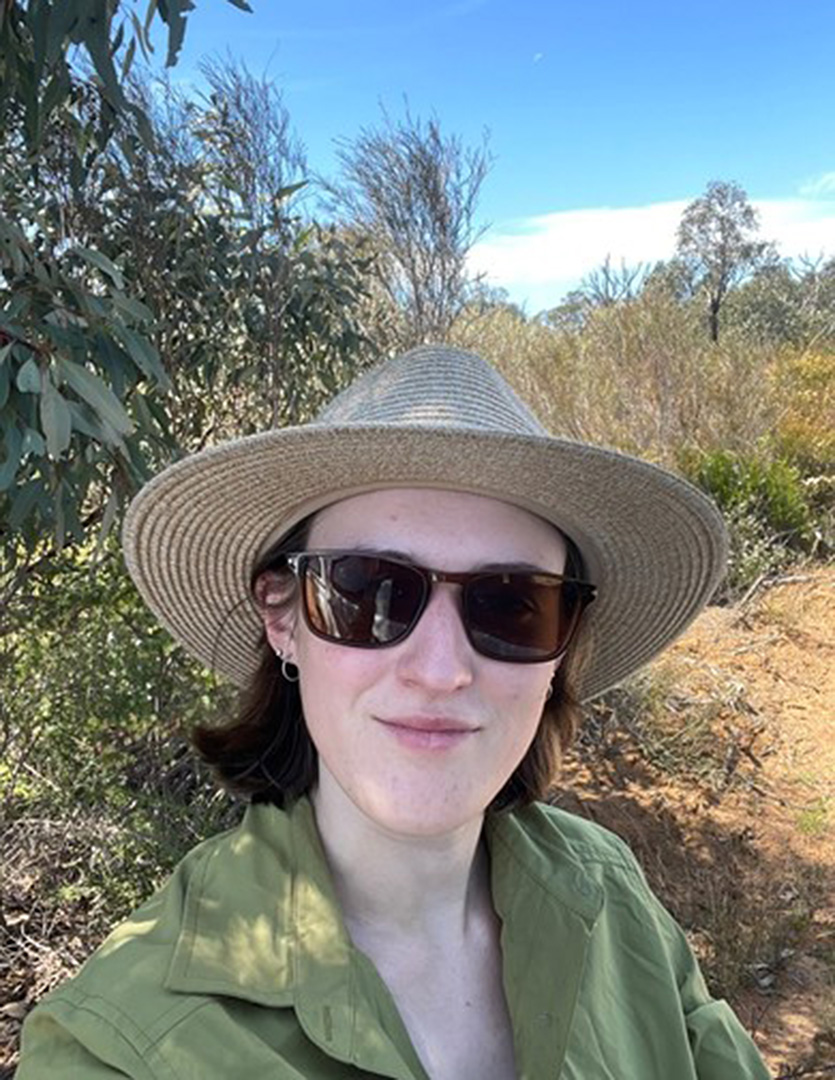
“It really confirmed for me that this sort of work is the direction I want to take, and the scientists I was surrounded by are the community I want to be a part of,” she says.
The Bush Blitz is a partnership between Department of Climate Change, Energy, the Environment and Water, Parks Australia, BHP and Earthwatch Australia that aims to document plants and animals across under-collected areas of Australia.
“Very few, if any, undergraduate students are invited to go on Bush Blitzes as they are usually reserved for professional institutional staff from universities, museums and herbaria,” says Dr Andrew Thornhill, Director of the UNE N.C.W. Beadle Herbarium, who joined Marama on the expedition.
“Marama has now had the experience of going on a remote field trip and spending whole days in the field doing nothing but looking for and collecting plants, which is what 'real' botanists do.”
Unsurprisingly, it was a transformative experience for Marama.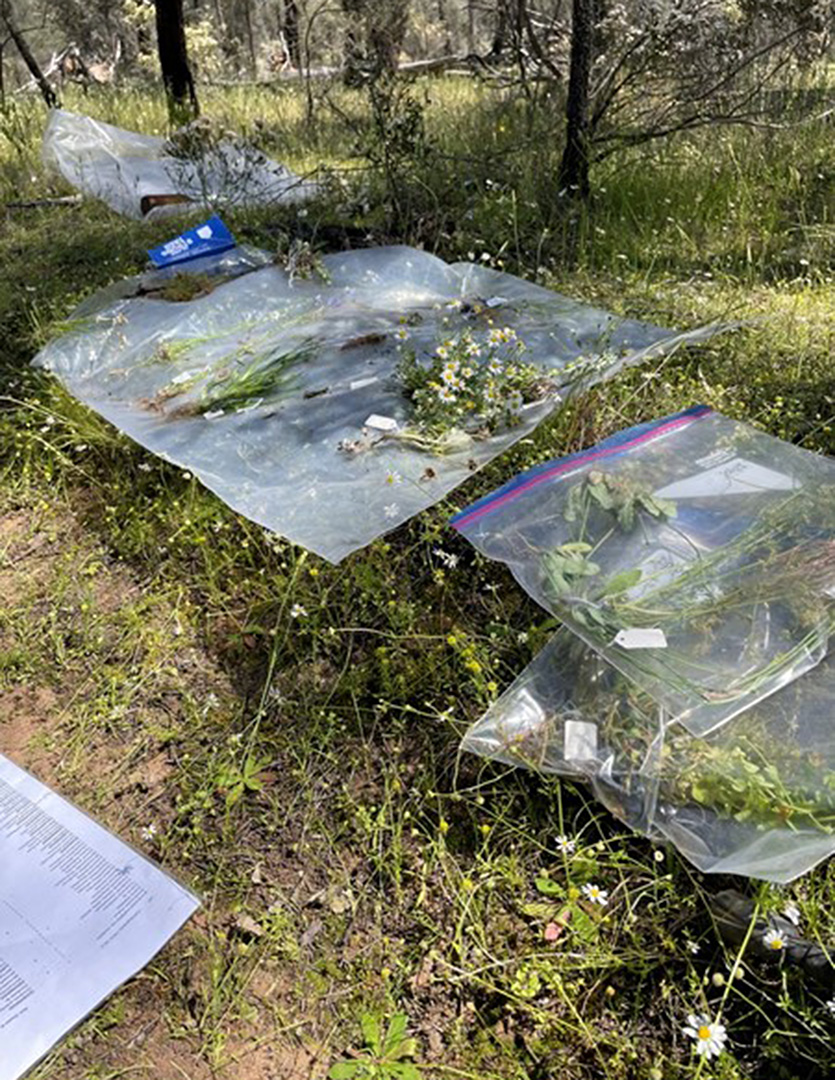
“It was enjoyable to spend a few days in the field surrounded by wildflowers, collecting them and seeing all the diversity the Pilliga has,” she says. “Another key highlight was seeing emu chicks and bilbies!"
“Each day was busy but good, involving driving to different collection sites and sitting down and collecting every plant species we could find that was flowering, then recording information and pressing the plants to preserve them.”
Over five days, the team made over 120 collections, including several potentially new discoveries.
“This may not sound like much, but every specimen we collected was a different species of plant,” says Dr Thornhill.
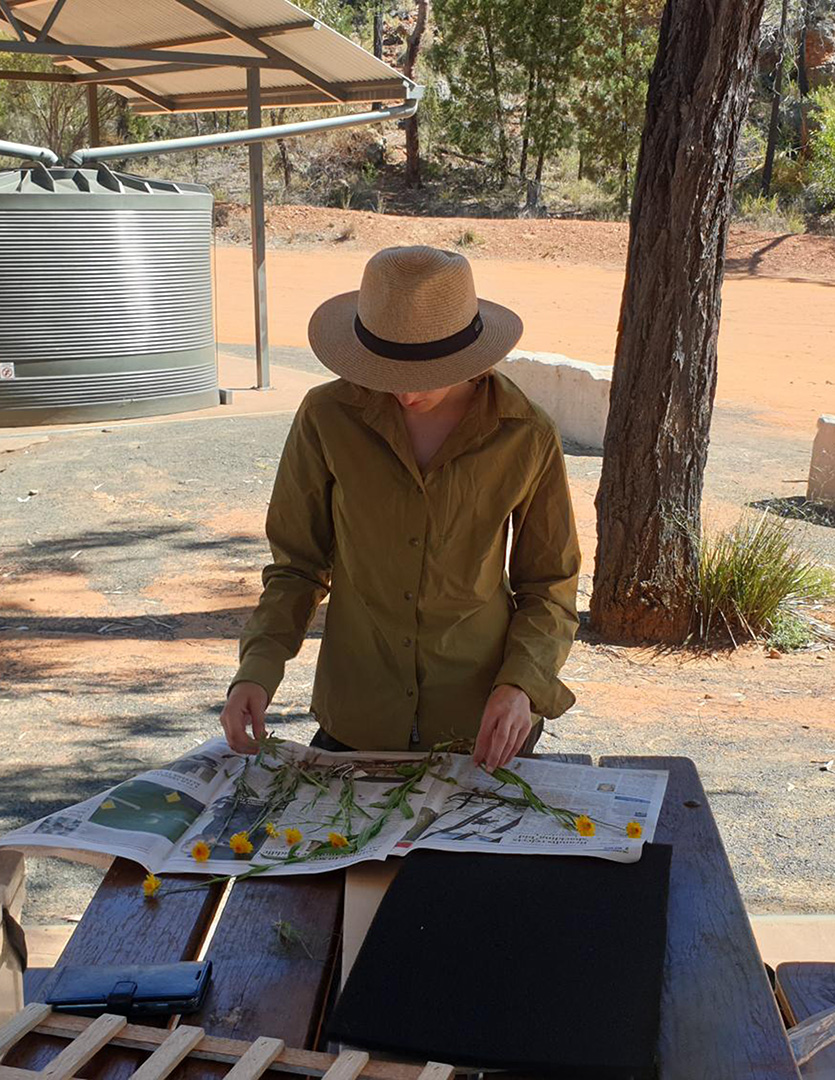 “We collected two or three species that we believe are different enough to be justifiably described as new species. The collections will be compared with specimens from other places, and we'll use DNA analysis to help make the final decision on whether they should be described as new species."
With this unique experience now under her belt, Marama’s passion for zoology and botany has been solidified.
“When I finish my Bachelor’s degree, I hope to complete honours and a PhD and go into research,” she says. “I will see where my path takes me for whatever specific topic I end up doing, because there are so many interesting choices and great people to work with!”


