When Europeans nicknamed the high tablelands they encountered north of Sydney the “New England”, it was probably in reference to the climate. The name certainly had nothing to do with the region’s native flora, which is abundantly and distinctively its own.
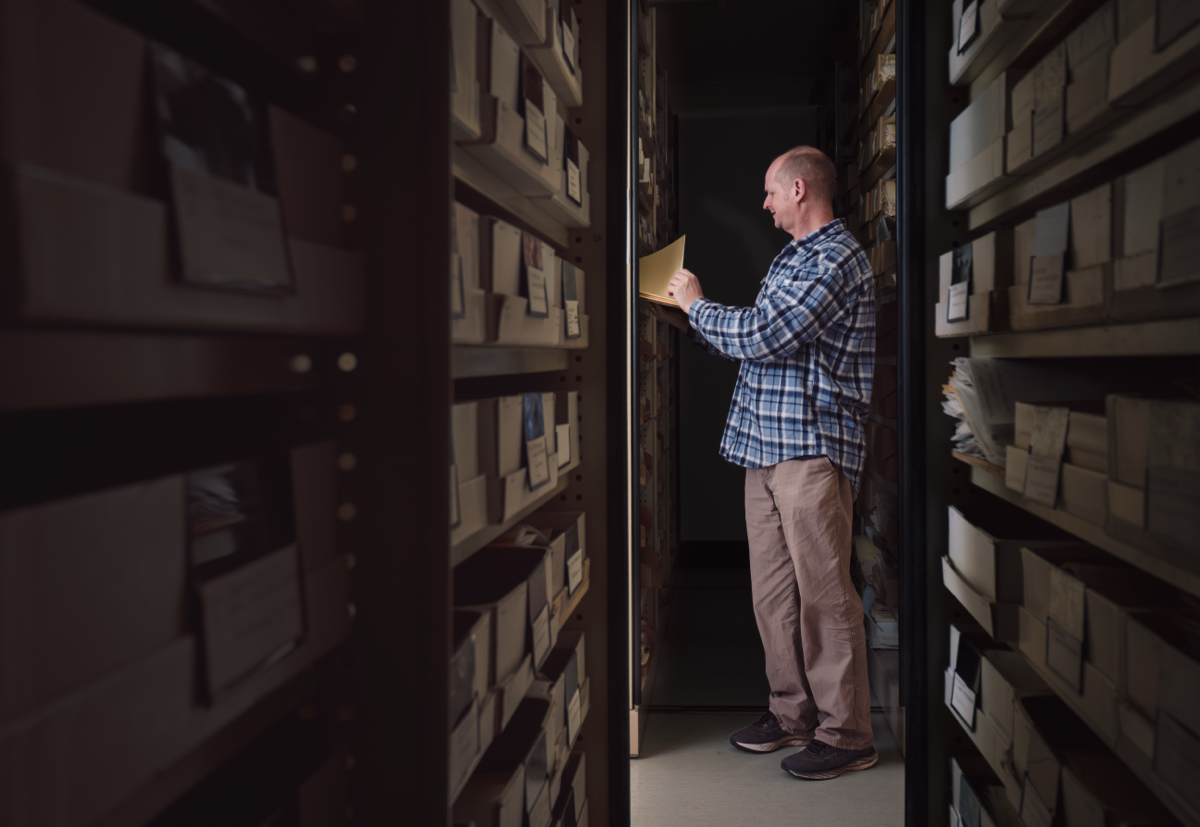
Much of what we know about that abundance and distinctiveness is due to having a university, with trained botanists and an herbarium, building knowledge of the region’s flora for 87 years.
The University of New England’s N.C.W. Beadle Herbarium today holds over 115,000 carefully documented plant specimens for use in teaching and research. Through its contributions to the Australasian Virtual Herbarium, the Beadle Herbarium is open to the world. In the last 12 months researchers and members of the public have downloaded over nine million UNE herbarium records in over 40,000 search enquiries. The herbarium also gets a constant trickle of plant identification enquiries from professional and amateur botanists.
Much of the herbarium’s plant collections come from the New England, North Western and North Eastern parts of New South Wales. Many local species carry scientific names that recognise UNE botanists, because they either found a plant locally that was recognised as a new species, or they have been honoured as a leading botanist in that particular plant group.
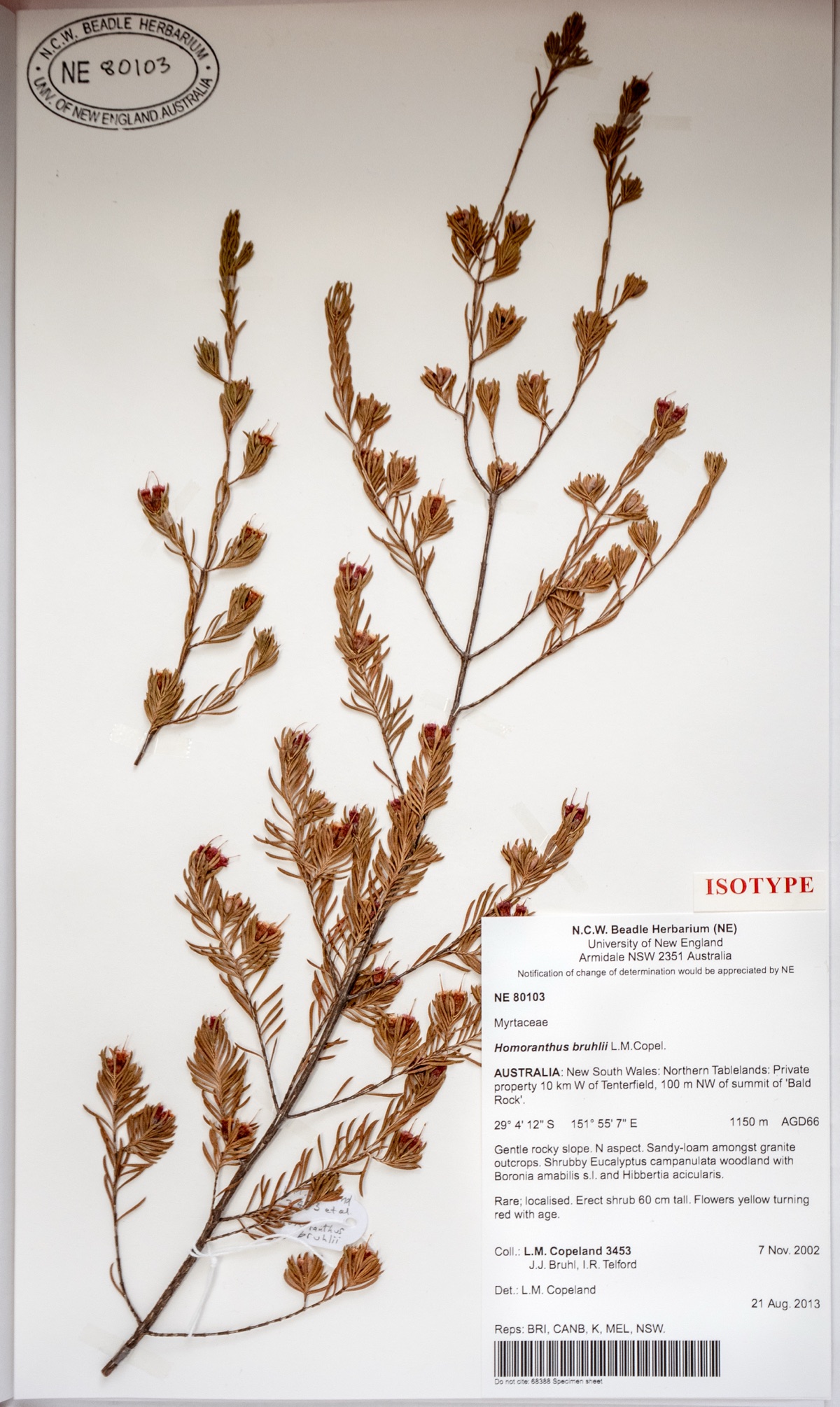
The Beadle Herbarium’s collection has been built by generations of dedicated botanists, students and volunteers. They continue that work today. It hasn’t always been straightforward.
The first local herbarium was established in 1938, when the University of Sydney established a regional college in Armidale.
In 1954, the college became the independent University of New England (UNE). Just four years later, UNE’s 20-year-old herbarium was lost in a catastrophic fire. Everything was turned to ash except some charred samples of fresh water algae. Ironically, all specimens were from the plant family Characeae.
Since 1958 the herbarium has been rebuilt into a magnificent resource for scientists and students, and everyone interested in plants. The work was initially led by UNE’s first teaching botanist, Professor Noel Beadle. Over the past three decades, Professor Jeremy Bruhl has brought the facility into the modern era.
“Not everyone thinks about plants all the time, like we botanists do,” says the Beadle Herbarium’s current Director, Dr Andrew Thornhill, who succeeded Prof. Bruhl. “But a lot of people think about plants sometimes, and when they do, they often have questions. That’s when the work of our botanists and students, over decades, becomes invaluable.”
“Our work is not just about knowing what plants grow where, and when. We need to keep going back to the places we have collected from, so we can observe changes over time. As the global climate changes, and native habitat is lost to development and agriculture, our herbarium becomes a time capsule that provides an accurate picture of what a place looked like in the past.”
Today, the N.C.W. Beadle Herbarium needs people. It has for decades had a dedicated volunteer cohort who have made the herbarium what it is today, but some of those volunteers are ageing and can no longer do as much as they used to.
“If people are interested in volunteering, our herbarium door is wide open,” Dr Thornhill says.
“We need people who can stay with us, preferably for years, and get proficient at the work. It is no understatement to say that there is years of work here for people with the interest and the disposition to contribute to what we do.”
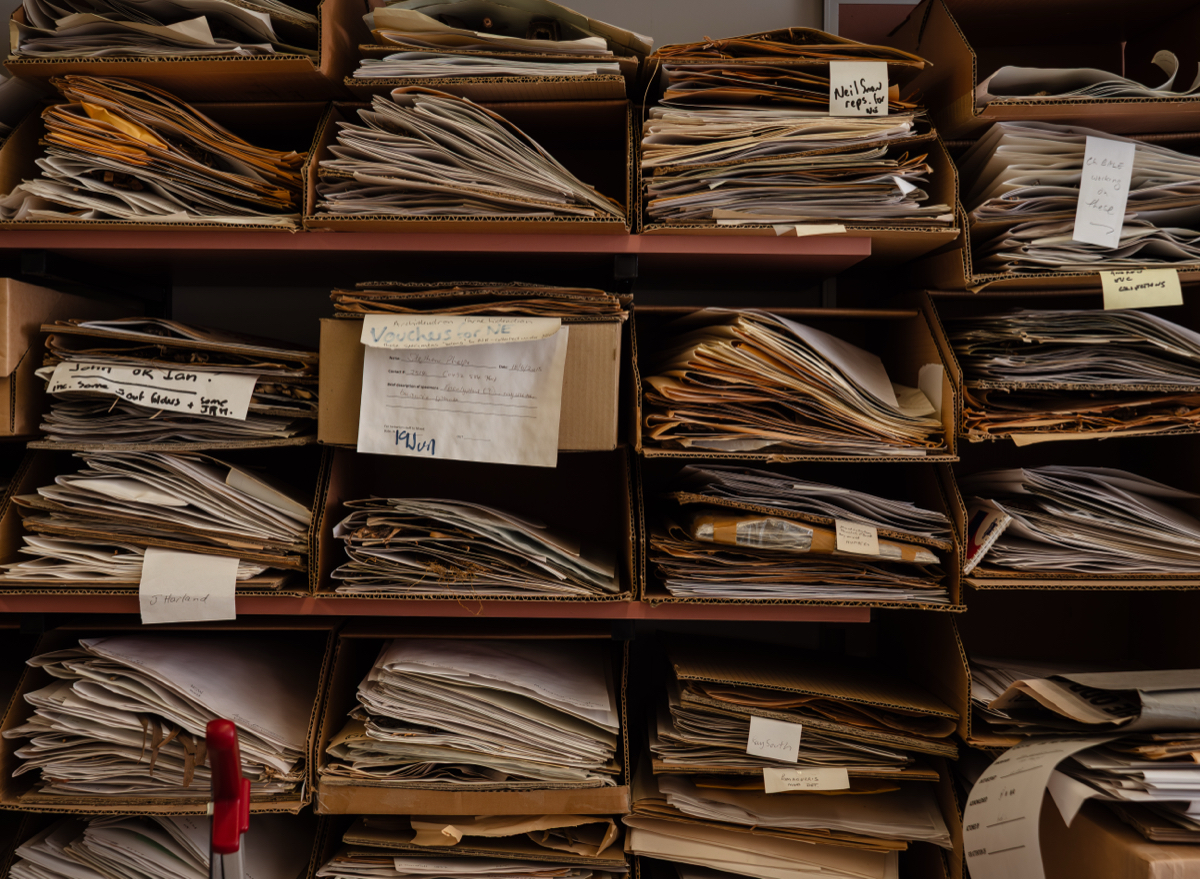
Image: The N.C.W. Herbarium has a popular online interface, but enormous volumes of data on botanic discoveries still remain to be digitised.

