
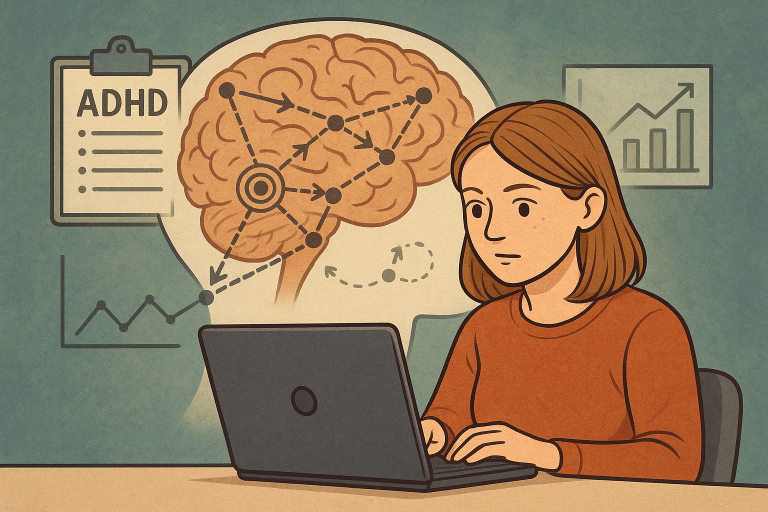
University of New England (UNE) Psychology Honours student Katie Crocker is breaking new ground in the field of ADHD assessment, combining personal passion with academic innovation to improve diagnostic accuracy and accessibility for adults.
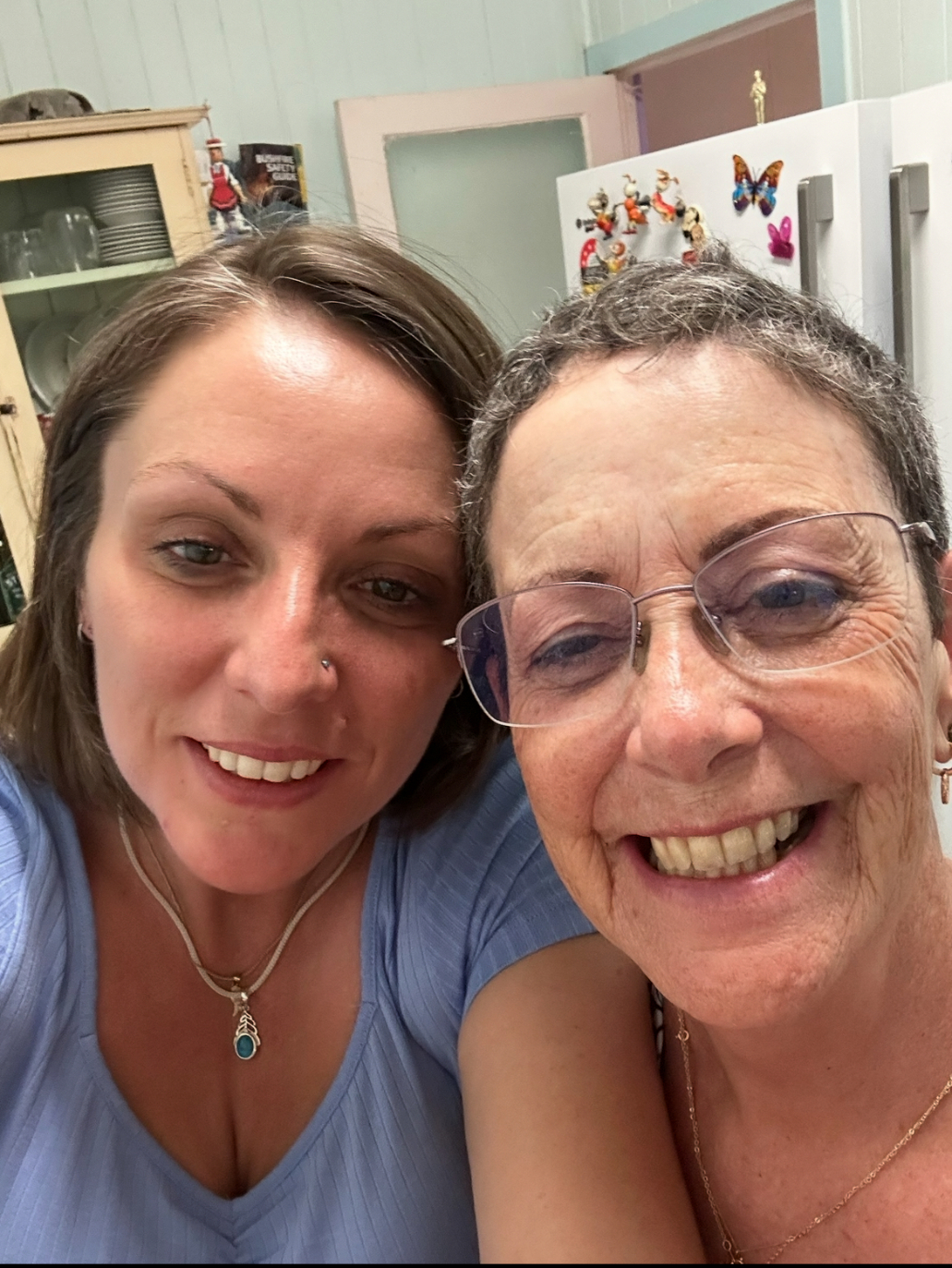
Katie with Mum Pauline.
 Growing up on a farm in Dalby, Queensland, Katie’s journey to psychology has been anything but conventional. “I explored teaching, social science, counselling, music, human resource management, and even life coaching,” she said. “Every step has shaped my passion for understanding people and restoring dignity through connection and support.”
Every step has shaped my passion for understanding people and restoring dignity through connection and support
Katie’s own personal experiences with neurodiversity of raising three neurodiverse children, supporting her husband through a late diagnosis, and navigating her own ADHD diagnosis as an adult have deeply influenced her research.
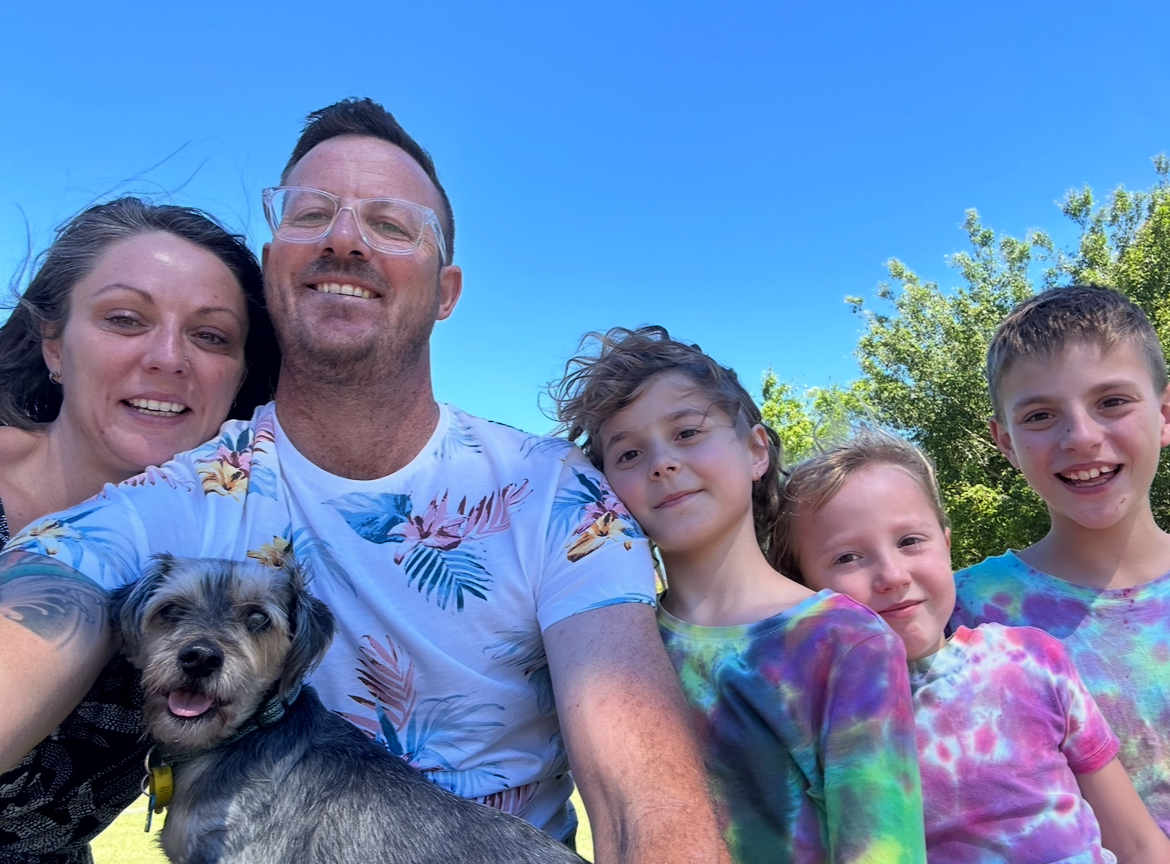
Image: Katie with husband Tate and children Montanna, River and Landon.
“These lived experiences, combined with professional roles in counselling and advocacy, ignited my drive to improve how we assess, support, and understand neurodevelopmental disorders,” she says.
Her honours research focuses on developing a more accurate and accessible method for assessing ADHD in adults. By integrating online eye-tracking technology with Continuous Performance Tests (CPTs) and traditional self-report measures, Katie aims to create a comprehensive diagnostic framework.
“Using innovative eye-tracking software, my project identifies objective neurological markers - such as fixation duration and eye movement patterns - that provide direct insights into key ADHD traits like attentional control and impulsivity,” she said.
This approach addresses significant gaps in current diagnostic methods, which often rely heavily on subjective assessments.
“By conducting the assessments entirely online, my research removes geographical and logistical barriers, promoting equitable and timely ADHD evaluations, particularly for those in rural and remote communities.”
Montanna, Landon & River.
 Katie’s passion for the project stems from her own experiences navigating the diagnostic process for her family. “I saw firsthand how subjective assessments can lead to delays, misclassification, and emotional strain on parents,” she said. “Understanding that every neurodivergent brain presents and experiences the world differently inspired me to seek objective, neuroscience-based measures that could strengthen the process.”
Under the supervision of Dr. Deborah Apthorp, Katie’s research is progressing steadily, with participant recruitment closing on August 23, 2025. The study involves adult participants with and without ADHD from the general community – take the survey.
 Katie hopes her research will lay the foundation for broader neurodiversity studies, “I aim to extend this work to include children and other neurodevelopmental conditions, integrating tools such as eye-tracking and EEG to build holistic, neuroscience-informed assessments and support”.
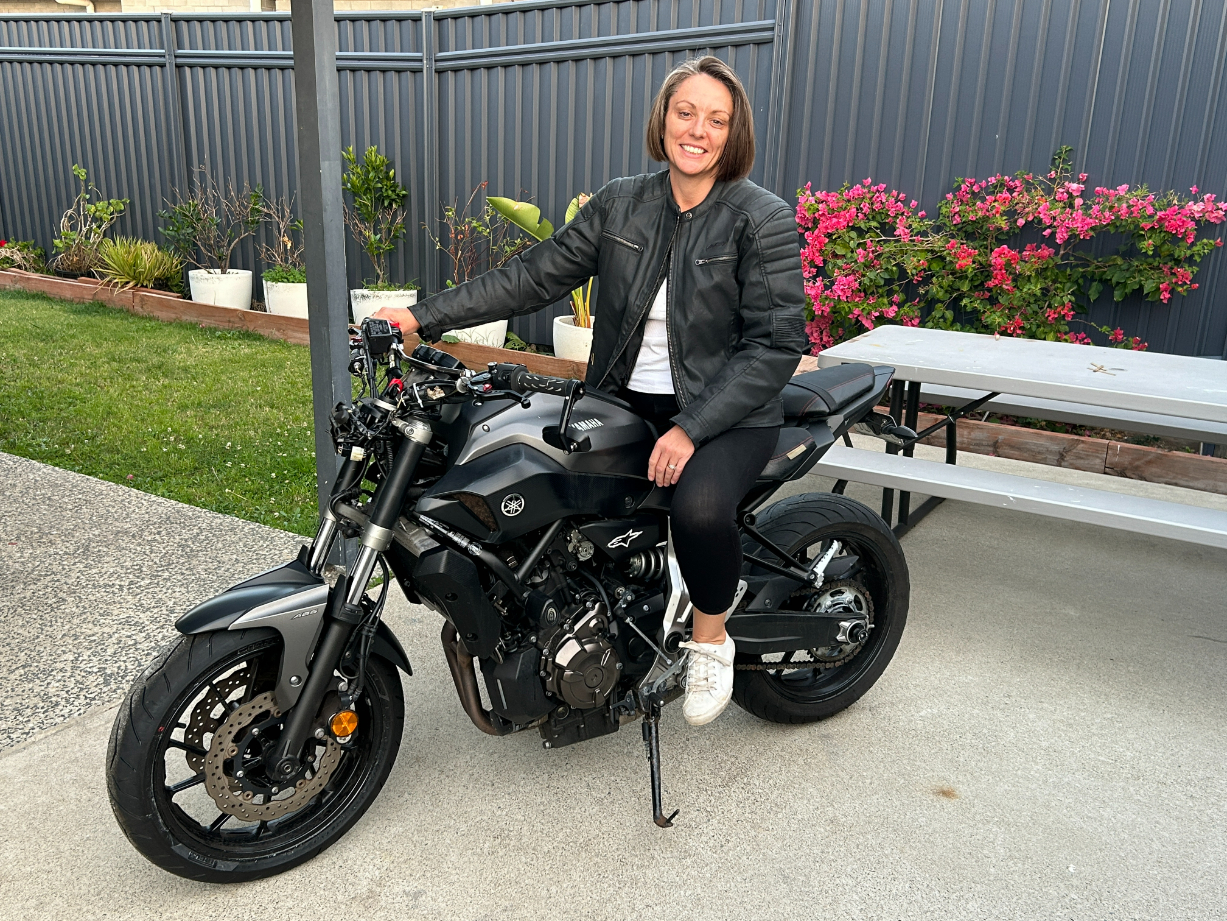
Beyond her academic pursuits, Katie is a singer, songwriter, and motorbike enthusiast who cherishes time with her family. “This isn’t just research to me – it’s a way to create meaningful change for neurodiverse individuals and families.”


