
Growing up in the Blue Mountains, west of Sydney, Paul was surrounded by an artistic community that inspired his early love for music. He began playing piano at the age of 10, which led him to pursue a Bachelor of Music at the University of Western Sydney. This is where he found a passion for performing opera and composing his own music, leading him down the academia pathway into honours and doctoral research.
Paul has taught in music at UNE for the last 10 years while also producing his own operas and concerts around Australia, Asia, and Europe. Now, as Head of the Department for Literatures, Languages, Linguistics and Cultures (LLLC) he will work on supporting the department’s diverse range of staff.
“I know from my time here and at other universities that I have really appreciated knowing that somebody was in my corner helping me get through things,” Paul said.
“I don’t always have the answer to every question but I’m the person that can be called upon at any time to help make a plan.”
While Paul’s home discipline is in the creative arts, he is excited to engage with LLLC’s varied teaching areas and research.
“I’ve studied five of the seven languages we teach here at UNE at different times in my life (but don’t ask me to speak any of them!) and I’m genuinely interested in the way that language constructs meaning in different forms – letters, novels, poems, dialects, conversations, text messages, songs, and more,” he said.
Paul acknowledges the challenges that lay ahead of him in this new role, as Australia grapples with changing attitudes towards the humanities, arts, and social sciences.
“I think that one of the challenges we have is ensuring that the value of what we do is known to the wider public and across the institution,” he said.
“Working from our UNE Sydney Campus, I have the opportunity to work alongside staff from pharmacy, IT, nursing, and law.
“We have the opportunity to share our experiences and ways of working, and learn deeply about how we all contribute to the university ecosystem.”
His advice to UNE students is to take the opportunity that studying presents to experiment.
“Use time at university to go into the deep end and embrace the wildest and most exciting theories and practices,” he said.
“Other parts of the world will often impose limits on what you can do, but I feel like we spend a lot of our time as academics encouraging students to go further.
“Be bolder with your ideas, your analyses, and your thinking.”
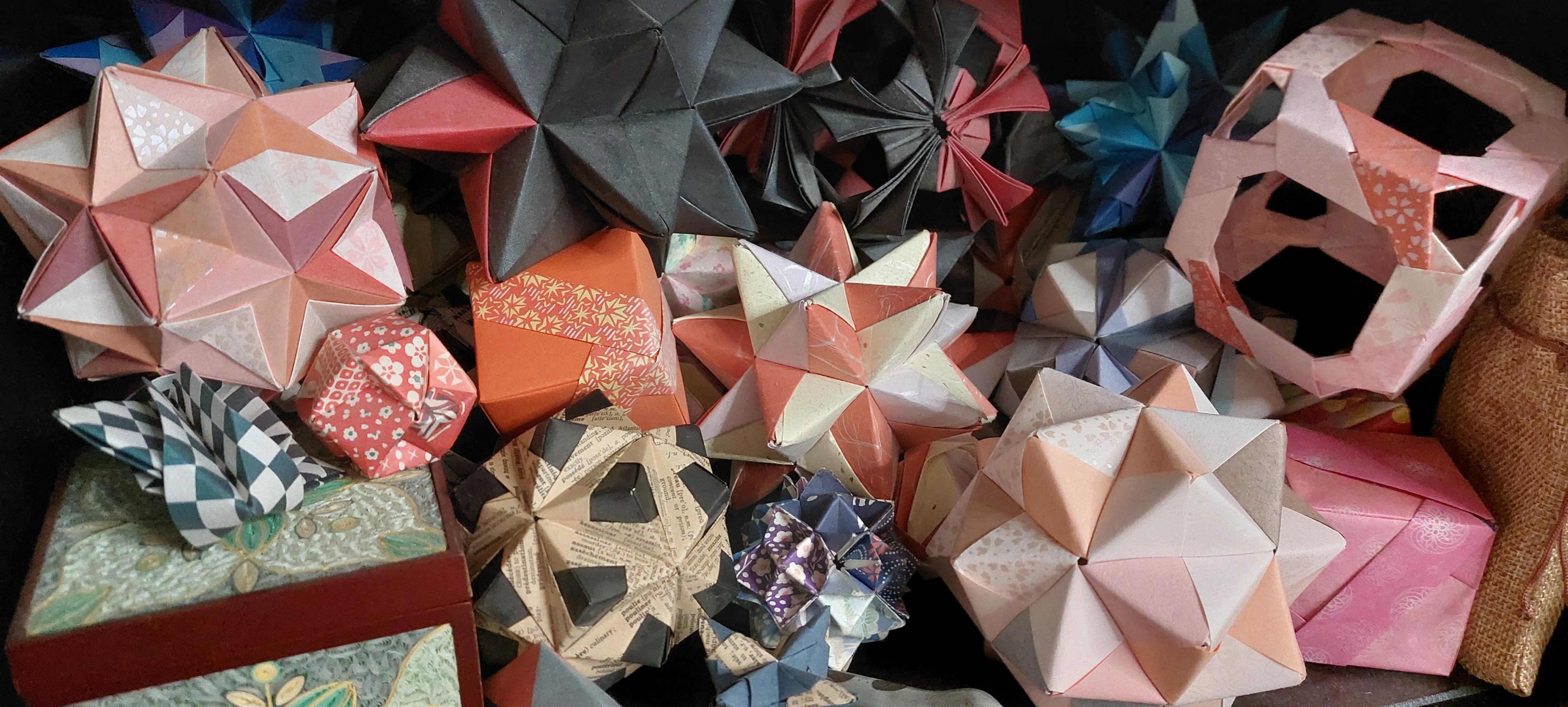
Outside of academia, Paul loves to create modular origami as a way to de-stress and take a break from screens.
“It is my version of mindfulness, and I have ended up with hundreds of stars over the years,” he said.
Another fun fact about Paul is his love for snails.
“Maybe it’s a little weird, but snails are my favourite animal and another great reminder to take things slow,” he said.
“To really drive that point home I’d like to share the words for ‘snail’ in all of our UNE modern languages: lumaca (Italian), 蜗牛 wōniú (Modern standard Chinese), カタツムリ katatsumuri (Japanese), escargot (French), caracol (Spanish), Schnecke (German), siput or keong (Indonesian) and, bonus Ancient language, cochlea (Latin).”
The Faculty of Humanities, Arts, Social Sciences, and Education welcomes Associate Professor Paul Smith to his new role and looks forward to his contributions to the Department of Languages, Literatures, Linguistics, and Culture.


