
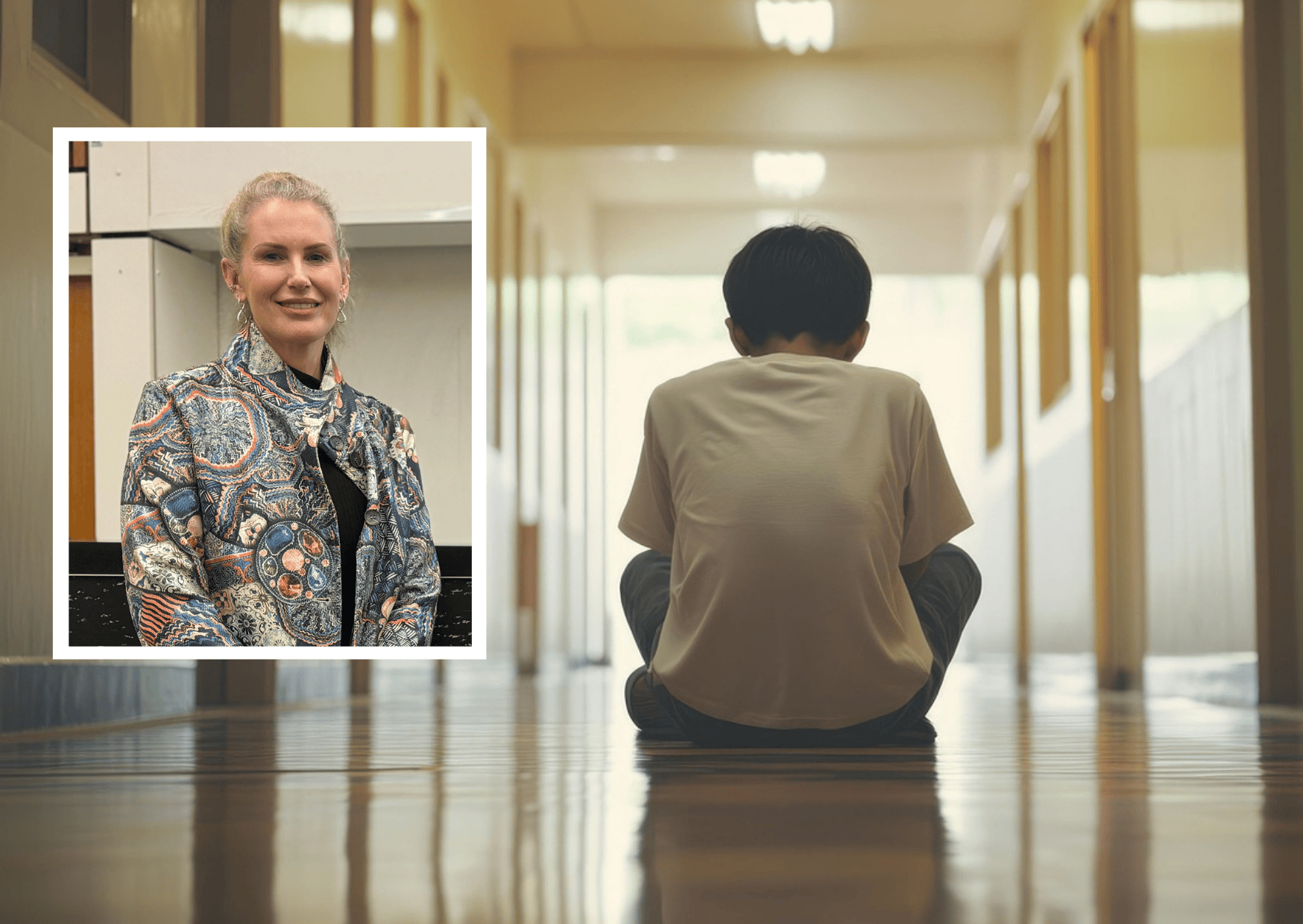
With mental health challenges on the rise in young people in Australia, the demand for specially qualified psychologists in schools is fast-growing.
“Approximately half of all mental health disorders start before 14 years of age,” UNE lecturer in clinical psychology Dr Hayley Farrell says. “Unfortunately, Covid-19 added an extra dimension and, in many cases, either exacerbated existing mental health problems or created new problems.”
School might be the only place where young people seek psychological services, Dr Farrell adds, and with the role of the school psychologist becoming increasingly complex – there’s now a broader focus on mental health promotion, crisis intervention, cultural competence, interprofessional collaboration, and collaboration with teachers and parents – specialist knowledge is required to fill this critical need.
To better equip psychologists, UNE introduced a new Graduate Certificate in School Psychology in late 2024 that can be completed online alongside the Master of Professional Psychology (MProfPsyc.).
Dr Farrell, who coordinates the MProfPsyc., expects the new offering will help fill the workforce need, and says it is particularly good news for rural and regional Australia.
The scarcity of school psychologists is particularly prominent in regional, rural and remote schools, and this lack of access to psychological services can have significant implications for students’ wellbeing, contributing to broader educational inequities.
Provisional psychologist Danielle Akayan is the first to complete the new course, finding she was able to cover the two units of coursework simultaneously. Taking 10 years to work through her bachelor and master’s degree around work and family commitments, she found the grad cert to be a refreshing change of pace.
“I found completing the grad cert in one trimester very doable, there is not as much reading as other units, and the assessments are really practical, covering things you’d do in real life in schools, like presentations and talking to a client.
“While the psychology degree is very theory-based, aside from placement, this grad cert was really geared to the practical application of theory, walking through what to do in a crisis, the steps I would need to take, and the really essential components of working in a school.
“The course covered culture, specialised responses in schools, and the delivery of group programs, as well as assessment and intervention best practices. The course coordinators live and breathe the content, they have a passion for it, and that really came through.
“I found the two units complemented and reinforced each other when completed together, with each unit informing answers for the other.”
For Danielle, the introduction of the course was timely in helping her meet her career goals and follow her particular passion in psychology.
“I was wondering what area I would go into after my master’s, but I’ve always had an interest in child development, attachment theory, and helping children become balanced human beings, so when I found out about this course through the UNE course coordinators, I jumped at the opportunity.
I think in a school you have more opportunity to understand the client in context and look at them in a holistic way, considering their family, history, living context, where they want to go. It feels less clinical, and it’s about giving them the empowerment they need to attain their goals.
“In terms of specialised knowledge, I gained an understanding of things like learning difficulties, how anxiety can look in the classroom and how behaviour can be misinterpreted.”
The unique format of program delivery will help remove any geographical barriers to accessing the program.
“We are the only university in Australia that offers an entirely online MProfPsyc. program,” Dr Farrell says, "and, coupled with the Graduate Certificate in School Psychology, students from anywhere in Australia can achieve both awards via flexible online delivery.
“This enables us to better address the workforce shortages that exist throughout Australia, providing the practical skills needed to navigate the ethical, professional and practice dilemmas encountered in educational settings, with skills highly valued by employers across public, Catholic and private school sectors.”
In turn, a specially-trained workforce can help provide intervention when it is most needed.
“I can’t imagine going into a school without the course,” Danielle says. “I would feel so ill-equipped. This course has given me insight and confidence into how things work in a school.”
Danielle says she is looking forward to helping provide this much-needed assistance with children and young people, which she’ll be able to do starting with an internship straight out of her grad cert.
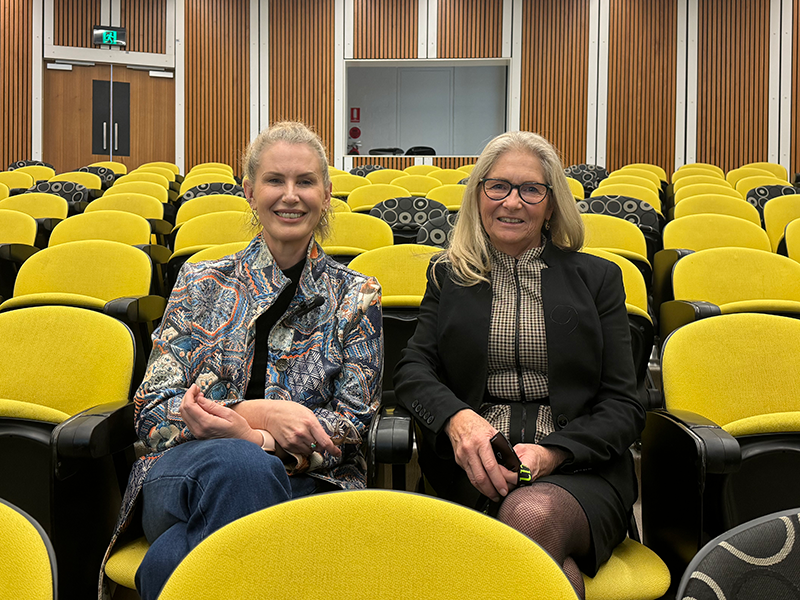
Image: Dr Hayley Farrell with course coordinator of the Graduate Certificate in school Psychology Dr Amanda Jefferys
We really do need people advocating for children and younger people, they are essentially our future, so let’s invest in them! A society should be judged by how they treat the more vulnerable, we need to ensure younger people are nourished and enriched for a strong future as a society.”
Fellow student Erin Linn is also looking forward to getting back into working in schools, with the help of the new course.
“I’ve previously worked in schools in learning and behavioural support and child and youth worker roles. I’m passionate about working with children and adolescents, and thought this course would be valuable to support me when I am ready to go back after being at home with my two little boys.
“The course really provides a strong holistic foundation for working in schools and acknowledges the many stakeholders that you must consider. It’s bolstered my understanding of a school psychologist, giving me confidence to take on these roles.”
Developing coping skills in these formative years has important benefits for later life.
“Young people with good mental health are more likely to be resilient when facing challenges, realise their potential, and go on to live fulfilling and productive lives,” Dr Farrell says.
Practitioners who hold an APAC-accredited fifth- or sixth-year psychology qualification can receive some advanced standing when applying, and scholarships may be available, making it easier for people to undertake the course.


