UNE’s Associate Professor Debbie Bower has recently brought back international conservation strategies to save Australia’s freshwater turtle by learning new survey techniques, “nerding out” with leading researchers for the last three months, and even going back to the basics of volunteering, like cleaning tortoise poo.
Deb was the recipient of the Lamington National Park Churchill Fellowship in 2024 which allowed her the opportunity to travel to Belize, Ecuador, the USA, and Canada. Her aim on this globe-trotting adventure was to gain knowledge of cutting-edge techniques for conservation of threatened freshwater turtles.
“In Australia, one in three freshwater turtles are declining, and developing effective conservation strategies is our best chance of saving our unique species,” said Deb.
The opportunity for such a trip came through The Winston Churchill Memorial Trust, an organisation established in 1965 after the death of Sir Winston Churchill. The Trust aims to provide a chance to Australian citizens to travel overseas to conduct research in their chosen field. For Deb, the Churchill Fellowship allowed her to combine a life-long dream with research she is passionate in.
“I’ve always wanted to go to see the US turtle hotspot and visit the Galapagos tortoises, and this was a perfect opportunity to live out that dream,” said Deb.
Starting in Belize, Deb looked at the conservation of the hickatee (Dermatemys mawii). A large, mostly aquatic freshwater turtle, the hickatee is under threat due to its cultural significance as a food source. Visiting the Savannah Field Station, Deb was able to learn new survey techniques like trammel netting (photo below of colleague Jen checking nets for hickatees), and observed the research station setting up long-term research and community outreach programs.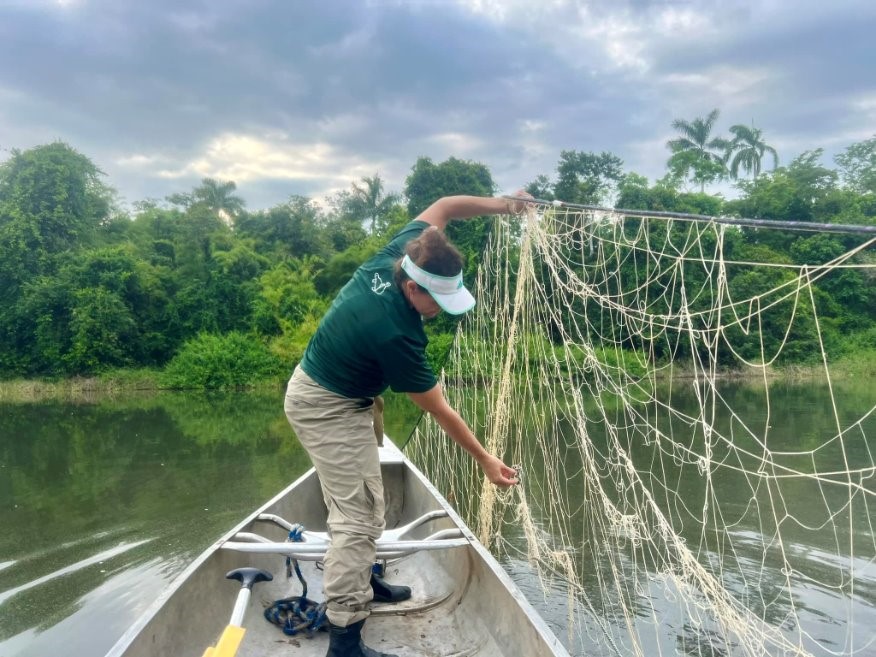
“Part of this fellowship was learning about how different organisations do conservation, what their challenges are, and what the advantages are of different strategies. I hope to be able to bring back this knowledge and apply it to Australian conservation strategies,” said Deb.
Onto the Galapagos Islands and mainland Ecuador, Deb spent time volunteering with the Intercultural Outreach Initiative.
“I went in as a volunteer to get the whole experience of signing up, doing paperwork, and cleaning tortoise poo for two weeks,” said Deb.
“The program shows how you can benefit local communities by bringing in volunteers for conservation programs and the turtle breeding program itself has been really successful, releasing lots of tortoises back into the wild.”
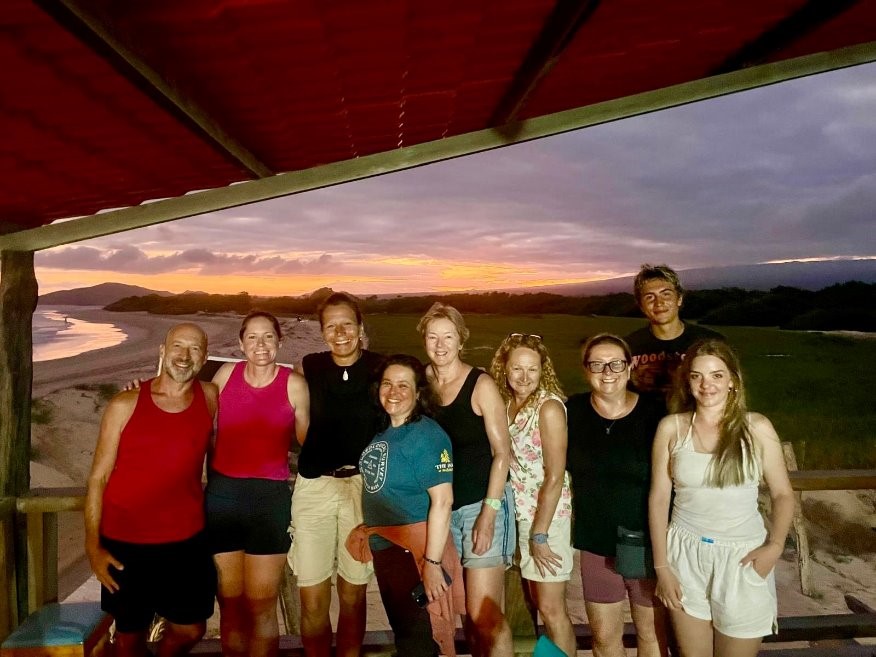
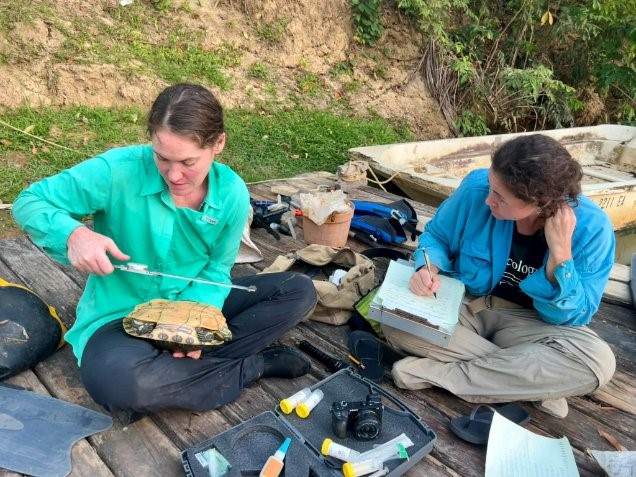
Image: Volunteers at the Intercultural Outreach Initiative
Finally, in the US and Canada, Deb was able to experience turtle research on a whole new scale. Spending time at South Carolina’s Turtle Survival Centre, the Ontario Turtle Conservation Centre and the Algonquin Research Station, Deb expanded her professional network, meeting researchers and learning techniques she hopes she can apply to her research at UNE.
“At UNE, we’ve been head-starting turtle species like the endangered Bell’s turtle, and I have been wanting to learn more about how to grow turtle conservation programs and improve our facilities to better do that. During my time at these centres I spent a lot of time nerding out with some hardcore turtle researchers and there’s a lot that can be applied to our programs here at UNE,” said Deb.
Now home from her trip and reunited with friends, family, and her dog, Tilly, Deb is excited to apply all she has learnt during this trip from new research methods and techniques, to an expanded professional network, to ideas about expanding UNE’s turtle head-starting program.
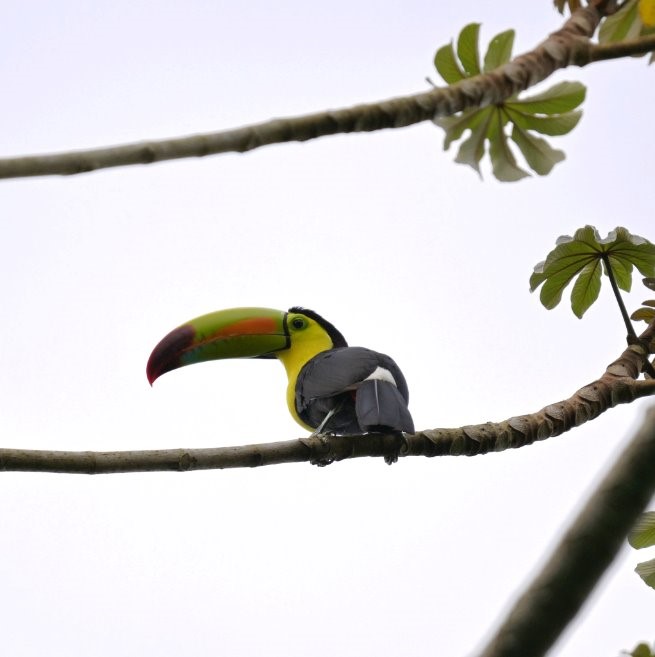
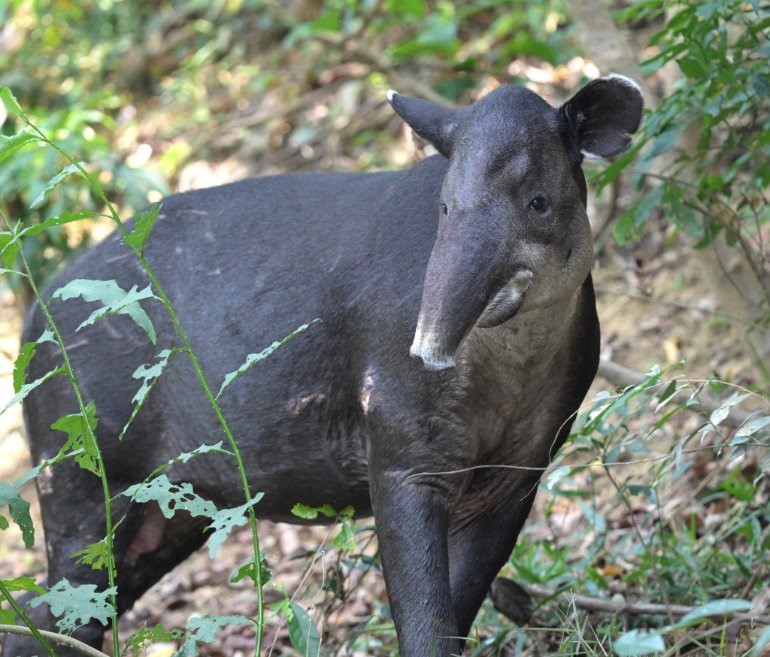
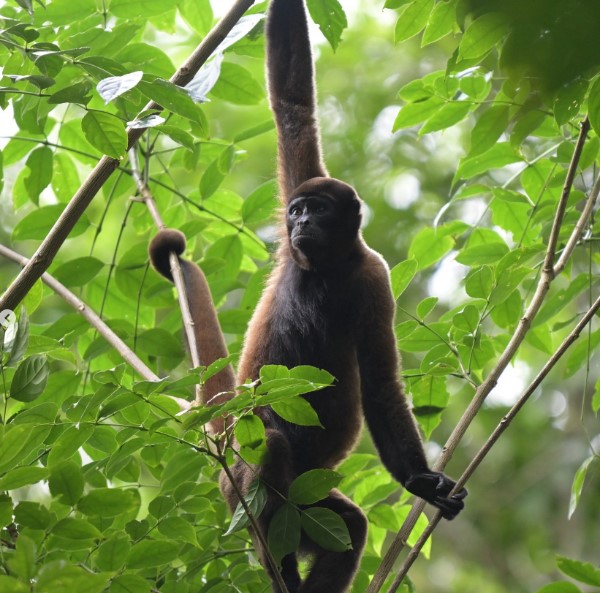
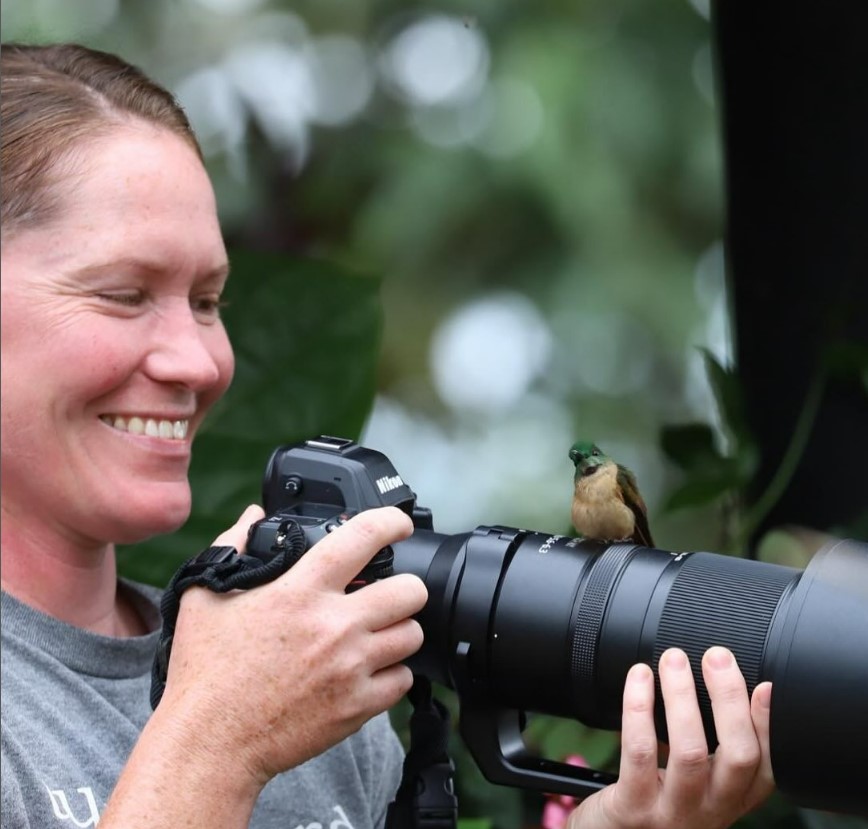
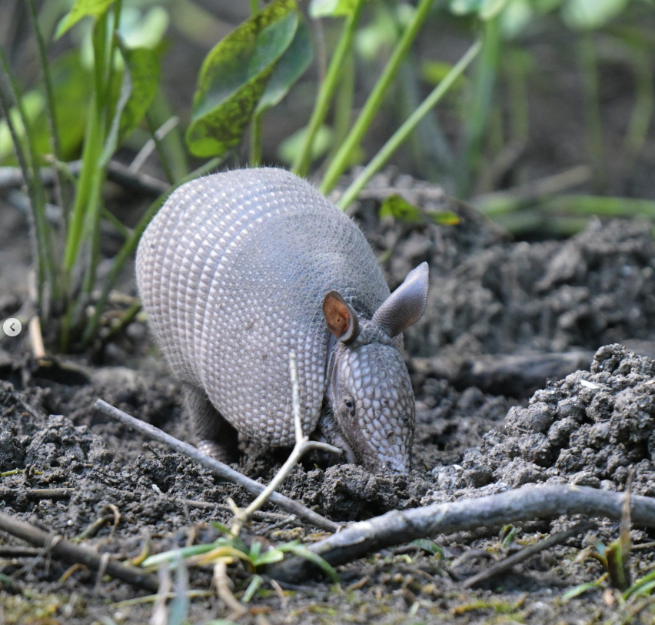
Check out some of the incredible wildlife Deb photographed while on this trip below.