
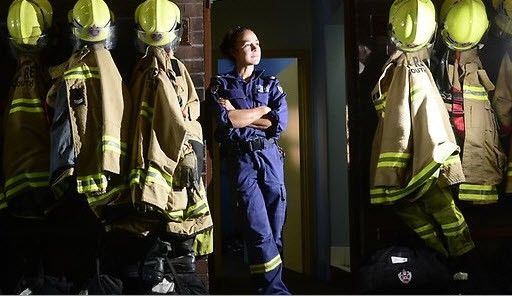
The loss of her beloved brother to suicide, when she was just 17, was like an earthquake, UNE PhD student and firefighter Tara Lal says. There was the initial devastation, then a series of damaging after-shocks that have reverberated throughout her life. The trauma lingers still.
Publishing the book Standing on My Brother's Shoulders, some 20 years after his death, helped Tara give voice to Adam's anguish and to advance her own healing. But her more recent paid and voluntary work with first-responder organisations, coupled with her PhD studies, has given renewed purpose and meaning in her professional life.
"Adam's death has impacted every single day of my life and certainly how my life has played out," Tara says. "Many lives are deeply impacted and changed by one day. Hundreds of thousands of people die by suicide around the world every year and that impacts hundreds of millions more."
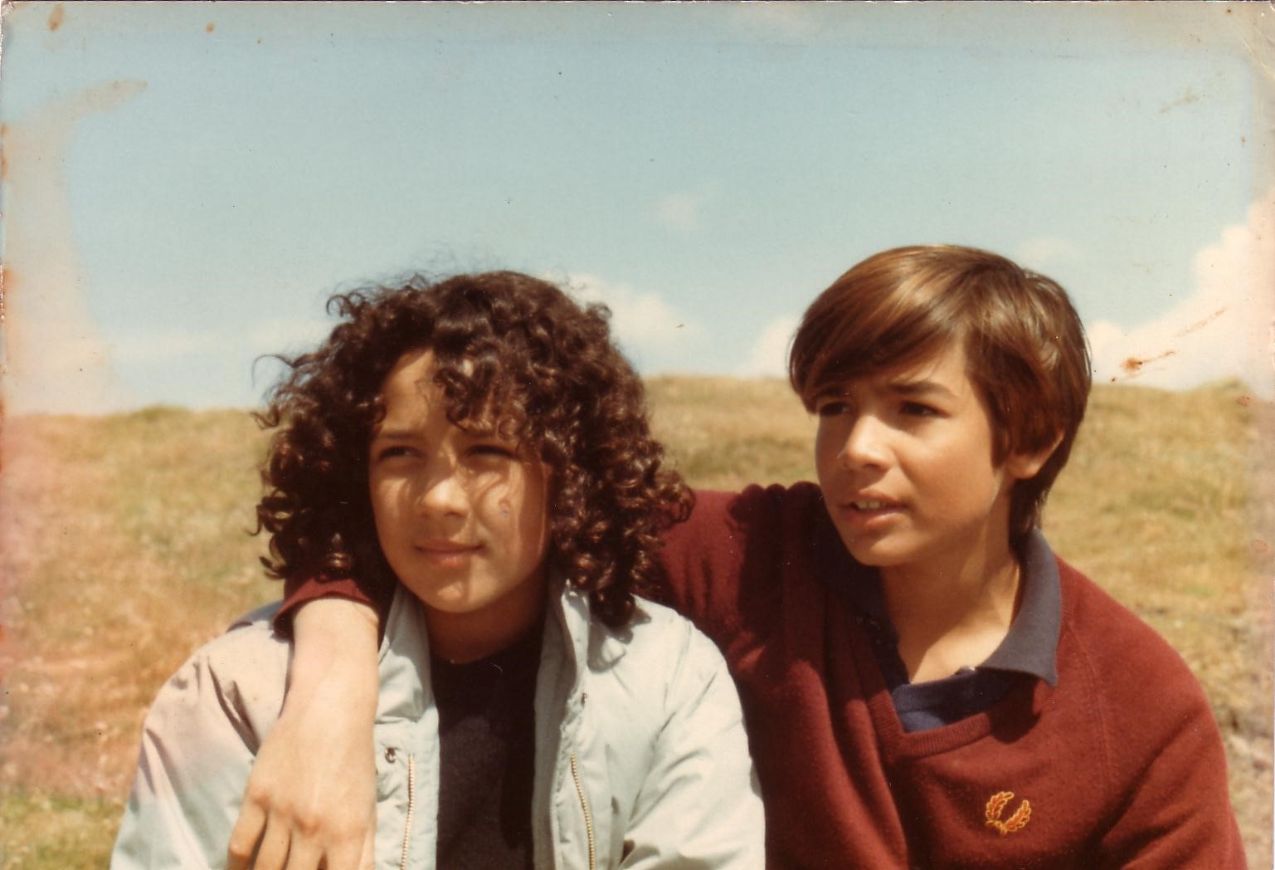
A young Tara Lal and her brother Adam.
Studies in physiology, then physiotherapy, saw Tara work as a physiotherapist for almost a decade before becoming a full-time firefighter with Fire and Rescue NSW. But routinely experiencing suicide as part of that role triggered further tremors that Tara has had to work long and hard to understand.
It also inspired her to train as a Mental Health First Aid facilitator, to manage Fire and Rescue NSW's psychological wellbeing program, and to volunteer with its peer support team, helping firefighters suffering from mental health conditions and after traumatic events. Those insights led directly into her PhD research, which centres on understanding the impact of suicide on firefighters.
"Our first responders are exposed to suicide much more than other segments of the population and we know there is a cumulative effect: the more exposures you've had, the more likely you are to experience your own suicidal thoughts and behaviours, and also social and psychological distress," Tara says.
Firefighters have exposure to suicide at work, in their personal lives and also through the loss of colleagues to suicide, but there has been little study of the impacts.
"I hope that my qualitative research will tell us something about how we can better support all first responders."
Eventually, Tara hopes her interviews with 20 firefighters will inform specific preparedness, prevention and post-vention programs for firefighters and other first responders.
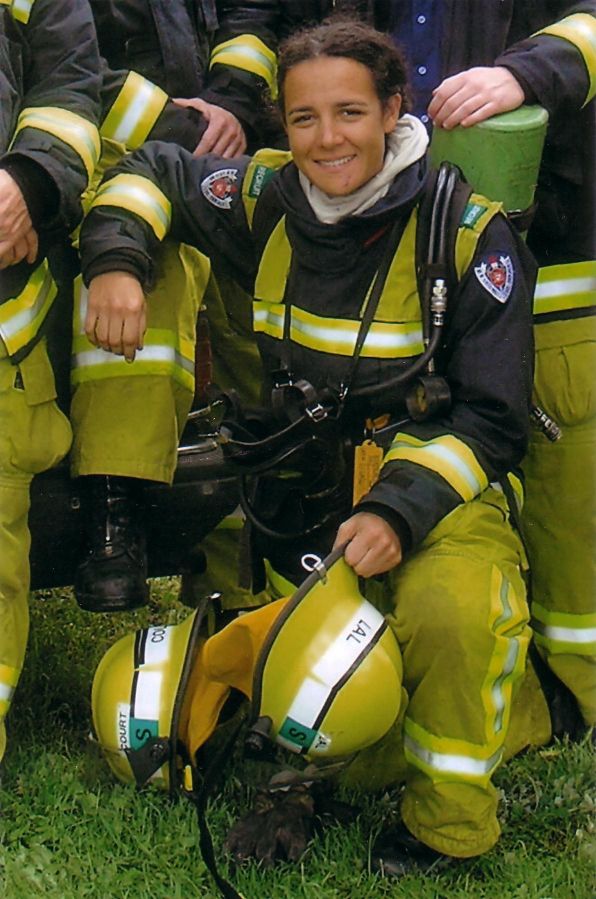
Tara Lal worked as a physiotherapist for almost 10 years before becoming a full-time firefighter with Fire and Rescue NSW.
A ride for life
But just days from now, she's putting her weight - literally - behind another initiative, cycling from the westernmost to easternmost tips of Australia with her friend, adventurer Sarah Davis, to raise awareness and money for charity.
"Where I am now; having the academic understanding and the lived experience, I have the ability to create safe and healthy conversations that tackle the damaging effects of silencing around suicide," Tara says. "The mission behind the ride is to help people learn how to struggle with intensely difficult life experiences and emotions in a way that empowers them to be able to grow.
"Suicide is a traumatic death and losing Adam was fundamentally life-changing. Every suicide death I attended as a firefighter, I would revisit the trauma of his death. It's taken many, many years for me to make some sense of that, and to find some peace. I have reached a stage in my life where I am ready and able to have a bigger impact on the world."
Mindful that each person's experience of suicide is different, depending on things like when they first experienced suicide, how close they were to that person and whether they were exposed to the scene, Tara wants to give people she meets on the ride the opportunity to be heard.
The route will take the pair through vast tracts of rural and regional Australia, where suicide rates are some of the highest in the country. It's there, as well as in more distant cities, that Tara hopes to help make seismic shifts in public perceptions of suicide and mental illness, and the stigma that so often accompanies it.
Suicide is hugely confronting and we don't know how to talk about it.
"I hope the ride will help to create safe conversations and stem some of suicide's ripple effects. Australia now has a National Suicide Prevention Advisor and the time is right to be having these conversations.
"At the end of our interview, every single firefighter has said, 'Thank you - I feel heard, validated and valued; that my story is important'. Especially men, who can find it very difficult to talk, have told me things that they have never spoken about before. This, in itself, can be incredibly healing; it helps them to make sense of something that makes no sense."
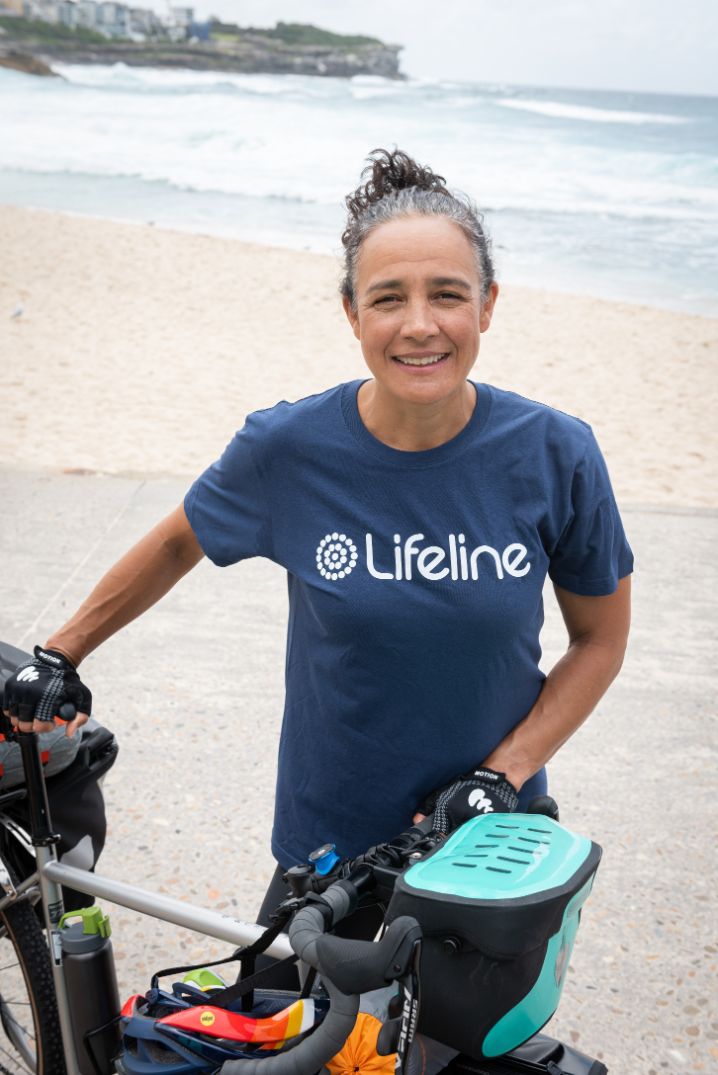
Tara Lal will leave on March 12 for a cross-country ride with a friend, focusing on raising awareness and money, and having conversations with people affected by suicide.
In search of greater meaning
For Tara, the experience of suicide has - with time - encouraged her to find greater meaning in her own life.
"We rarely consider the big questions," she says. "But we know that having a meaning and purpose in life helps to keep people safe; it keeps people alive. I have worked for many years to heal my own wounds and now I feel I can help others.
"We are so busy and rarely stop to think about what our lives mean, what we want, and how do we live in a way that respects our values. Hopefully our ride will stimulate people to think about that and to give those who are struggling some hope. I expect we will be confronted by all sorts of difficult situations and emotions, but I also expect it will help us to better understand how to live happier, healthier and more engaged and meaningful lives ourselves."
Tara and Sarah plan to set off from Steep Point on 12 March and hope to be in Byron Bay some 60 days later. Throughout their 5167km unsupported ride, Tara will be blogging and raising money for Lifeline. Sarah's charity of choice is Mood Active.
Go to cyclingoz.com for more information and to donate.
If you feel you need support, please call Lifeline: 13 11 14 or Beyond Blue: 1300 224 636.

