
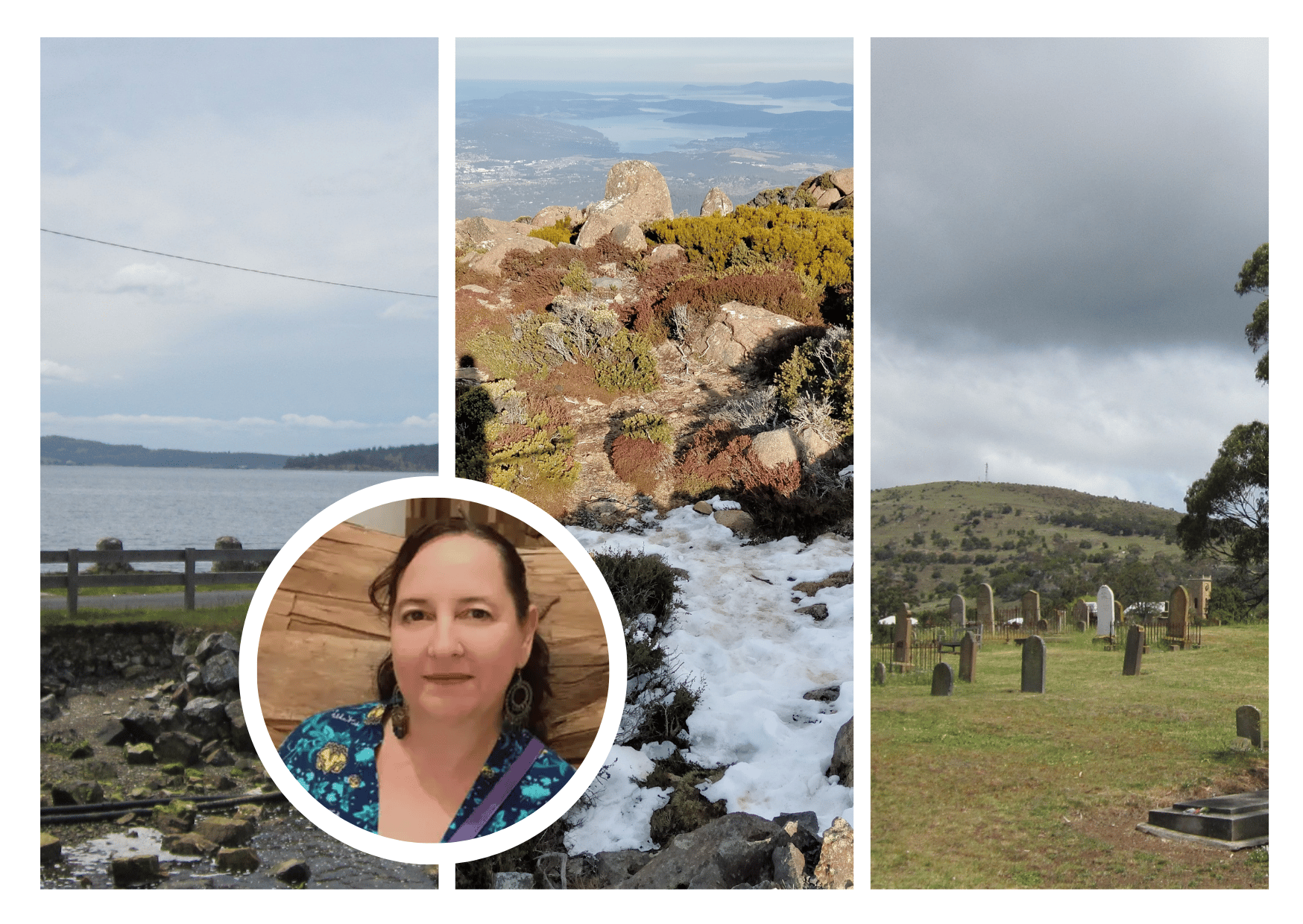
Image: Rebekah Brammer has visited a range of locations from Tasmanian small screen productions: A coastline from 'The Kettering Incident', Mount Wellington from 'The Gloaming' and others, and the cemetery from 'Deadloch'.
Rebekah Brammer was a couple of decades into a teaching career when she realised something needed to change.
“I had that switch post-covid that a lot of people did, where I just went, I don’t want to work at this job anymore. I don’t know what I want to do, but it’s not this.”
She had been dabbling in an interest in film and TV for a while, completing a graduate diploma in film and TV production in the '90s, where she quickly felt like the odd one out.
“I found I enjoyed all the subjects that my classmates didn’t; they just wanted to get out with a camera and make their own productions, I loved the genre and history subjects, and have always enjoyed writing."
After some overseas experience with BBC Worldwide following her studies, she began writing for renowned industry journals Metro and Screen Education from 2008 while working as an English teacher. But things changed after she jumped into her first research conference as an independent researcher in 2022.
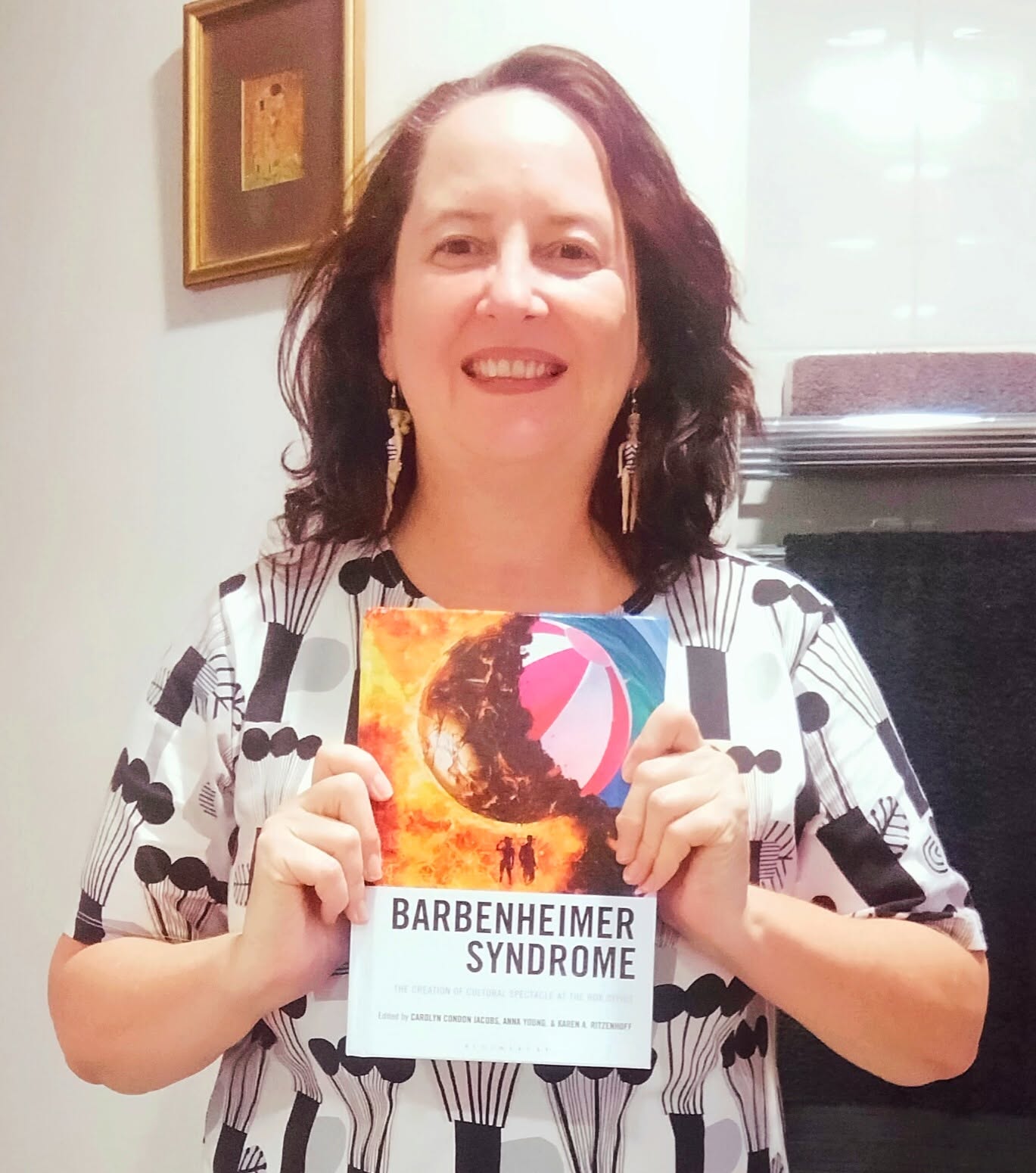
I was terrified when I attended the first conference. I was scared of snobbiness and people going, ‘oh, she has no PhD’, but actually it was the opposite. People were very, very kind and lovely, and it led to some great things. I met a professor of cinema studies in the US who has become a wonderful mentor.
After her second conference, organised by UNE’s Pop Culture Network (PopCRN), she was invited by two of the conference organisers, Associate Professor Jo Coghlan and Dr Lisa Hackett, from UNE Sociology, to undertake a PhD.
“It was something I hadn’t really considered as a path for me at this stage of life, where I had my teaching career, but it has really continued to open more doors,” she said.
That’s included getting stuck into putting together a history and description of a century of Tasmania’s film and TV outputs, with a special interest in describing a unique genre to Tasmania, which she has termed ‘Tasmanian Gothic Noir’.
“At the time I was putting together a research proposal, I’d noticed there had been a number of TV programs that had come out in quick succession from Tasmania around 2020-23, particularly The Kettering Incident, The Gloaming, Deadloch and Bay of Fires. It got me interested in what’s going on in the Tasmanian industry, and I noticed the way they used the landscape was really interesting.”
Rebekah found the spate of popular productions all the more impressive for the fact Tasmania does not have its own production studio, and everything needs to be brought to the island and taken back to the mainland for post-production.
But she says the wildness and purity of the landscape draw cinematographers and creatives, and this landscape lends itself to both the “gothic” and “noir” film traditions, which have been threaded together in a unique way over a range of productions.
“You’ve got the rocky coastline, the wilderness, literally everywhere you look in Tasmania you’ll see a mountain. And, yes there are sweet little towns everywhere but there’s also that feeling of remoteness.”
Meanwhile, the history of trauma and survival of the Palawa people, the hardship of convict life, environmental destruction (scarred landscape from extraction and industry) and a touch of mystery (Is the Tasmanian tiger still out there?) present opportunity for distinct stories that Rebekah says are still bursting to be told.
The creative inspiration is involving, too. Rebekah says Tasmania’s modern festival and foodie culture continue to create new strands of interest making their way into contemporary TV dramas, like Deadloch.
And that’s something I didn’t expect from my research – how many different aspects there are to delve into! It’s taken me to research areas as diverse as tourism studies, festival and foodie culture (I’ve even been published in a festival studies journal!), history, psychogeography, wilderness studies, genre studies including writing on the ‘eco-gothic’ niche – it’s all just been very interesting!
Rebekah’s research journey continues to lead to exciting things – she is now preparing to present at an international conference in the UK, where she says she is excited to be “introducing Tasmanian Gothic Noir to the world.”
She’ll also have the chance to visit the British Film Institute Archives: “I was really surprised to find there are documents there related to Tasmanian films that I’m going to get to see and handle!”
While she still experiences moments of doubt – “I often still think, can I really do this?” – she says a PhD has proven “the perfect fit.”
“It’s allowed me to find something I really enjoy, and develop a range of skills like academic writing, and networking. The first two years have flown by!”
She imagines her future will involve film festivals, writing, academic and museum roles, and there’s no doubt conferences will continue to feature: she’s become a superfan of UNE’s Pop Culture Network, PopCRN.
“PopCRN is how I got where I am. I’m always telling other research students to get involved – they run conferences three or four times a year, they are free and online and have a following of very prestigious academics from around the world. They are great for building confidence in presenting in a really kind, warm and welcoming environment. I’m involved in all their conferences now in some capacity.
“No matter what I end up doing after my PhD, I’ll always be part of the PopCRN family!”
Contact the PopCRN Network: email PopCRN@une.edu.au
Image: Rebekah with a book she's been published in, edited by her mentor in the US she met at her first research conference.


