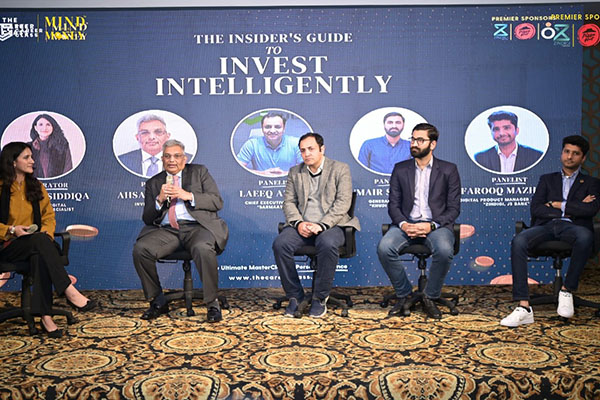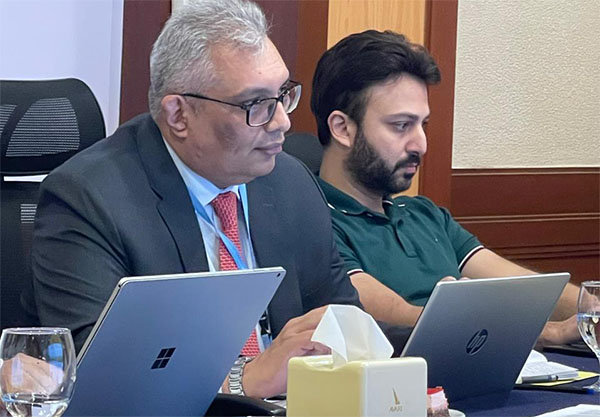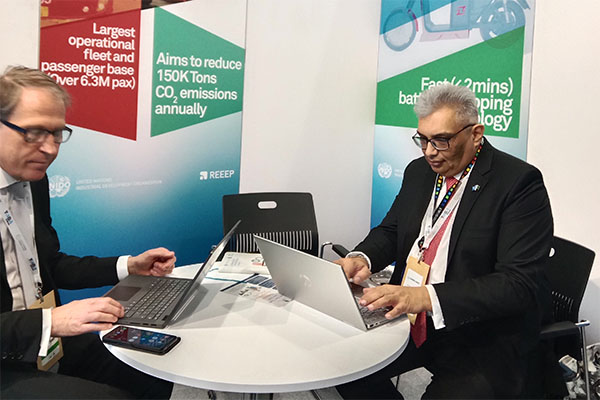
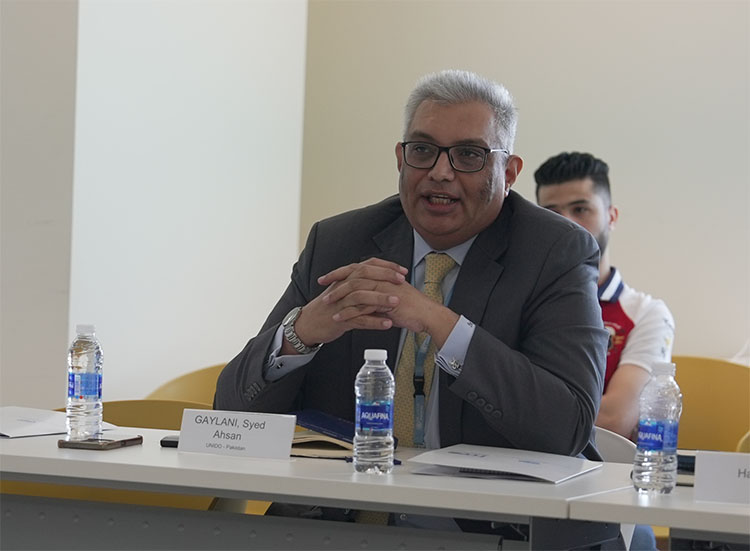
Ahsan Gaylani is a senior Pakistan banker and board member whose career has spanned corporate and investment banking, asset management, sustainable international development and climate finance. He is currently a national and investment expert with the United Nations Industrial Development Organization, where he raises funds for renewable energy, gender equity and agricultural projects to support rural communities and minorities. A Bachelor of Commerce graduate from 1999 and someone recognised for his investment leadership and finance innovation, Ahsan says he owes a debt of gratitude to UNE.
How did you come to be studying Commerce at UNE in 1996?
Growing up in Saudi Arabia and Pakistan, I developed an early interest in business and economics. After high school, I did an accountancy foundation course and became interested in how financial systems shape opportunity.
In the mid-1990s, studying abroad was both a dream and a strategic decision to gain international exposure. I was introduced to UNE during an Australian education expo, and Armidale, being a small university town with a supportive campus culture, was my first preference.
Studying Commerce at UNE felt like the perfect foundation for building a global career in finance and development.
Tell us about your UNE study experience, including college life.
It was a life-changing experience.
Words cannot do justice to my amazing four years in Armidale – a place where I found myself and was transformed academically and personally. Living on campus and engaging with students from different countries broadened my worldview. I built life-time friendships and discovered new cultures.
The learning environment encouraged independent thinking, teamwork and the practical application of theory. The knowledge I acquired helped establish me professionally and definitely got me into one of the best MBA programs in the UK, at the University of Wales.
College life was equally important at Mary White and Austin colleges. It taught me independence, resilience and cultural adaptability, and contributed to shaping my confidence and leadership skills. I was General Secretary of the Armidale International Association and International Student Association in 1997 and also worked in the International Office. I enjoyed playing football, badminton, being part of international nights, food festivals and nights at the bistro. It was like a fairytale life.
In what ways did your time at UNE equip you for subsequent life and work?
UNE provided more than a degree — it gave me a mindset. I remember being disheartened when I failed my first assignment, after quoting all lectures and reading material, and my tutors asking for something they didn’t know. In the next assignment I shared my own understanding of the concept and got a distinction. This experience changed my approach and my thinking and, to date, I advocate the same to my students at universities and staff colleges. Other key skills that stayed with me include analytical thinking and financial literacy; confidence working in multicultural environments; independence and self-discipline; communication and teamwork; and a global outlook on business and development. They became the foundations of my career.
Give us a potted history of your career to date.
I began in the banking sector, building expertise in corporate banking, credit, structured finance, asset management, trade finance and risk management, structuring big-ticket transactions across Afghanistan, Dubai, Libya, Bangladesh and England. As the world transitioned to green energy, I moved into establishing wind and solar power projects for local and international investors, and then began working in the development sector as a funding expert for climate change projects for sustainability and impact. In recent years, working for the United Nations Industrial Development Organisation (UNIDO), I have helped raise US$60 million for climate change projects across Pakistan.
What obstacles or challenges have you overcome to get to where you are now?
Like many professionals working across countries and sectors, my journey has included uncertainty, reinvention and natural calamities. Transitioning from commercial banking into development finance meant repositioning my skills and learning new frameworks, but being part of three major mergers in the finance sector has prepared me for the challenge.
Working in emerging markets also means navigating funding gaps, institutional constraints and complex stakeholder environments. Building an international career has required resilience and adaptability. Each challenge has strengthened my ability to lead, collaborate and stay focused on long-term impact.
What does your current role as a National Expert on Access to Finance and Corporate Engagement with the UNIDO Poverty Alleviation and Inclusive Development Across Rural Sindh program entail? What do you enjoy about the role?
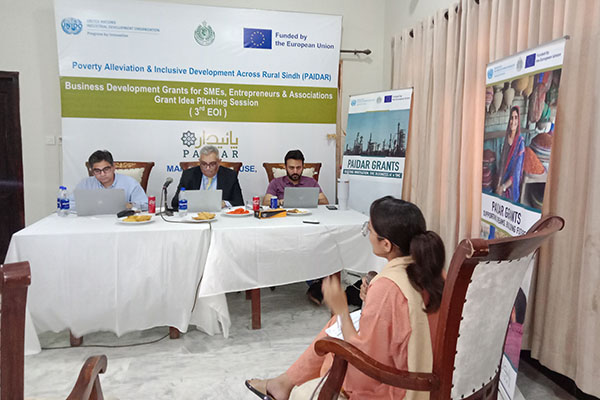
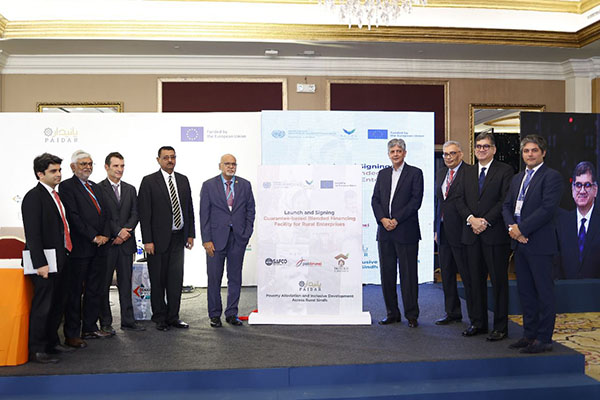
My role is to help small rural enterprises get the money, support and partnerships they need to grow. This involves ensuring access to finance for women, transgender people, minorities and small businesses by blending loans, grant and philanthropy finance to provide concessional financing. I have brought multinational corporations together with multilaterals using CSR and grants, to bridge financial gaps, and connected entrepreneurs with banks, investors and donors.
What I enjoy most is seeing real impact and structuring out-of-the-box solutions to make access to finance easier and more affordable through digitalisation, subsidising interest rates and de-risking collateral for SMEs and communities. When a business secures funding and grows, it creates jobs and improves livelihoods.
What is inclusive development? What role can it and the kind of entrepreneurship you have fostered play in alleviating poverty?
Inclusive development means ensuring that economic growth benefits everyone, including women, young people, rural communities and underserved regions. We have fostered a number of businesses in the handicraft, supply chain, agriculture, hospitality and beauty sectors. They create local jobs, drive innovation, strengthen communities, reduce inequality and empower the marginalised. By improving access to finance and support, we enable entrepreneurs to become engines of poverty reduction and sustainable growth and impact.
What do you hope will be your personal legacy?
I hope I will have helped connect finance with opportunity to create real, lasting impact. Throughout my career, I have aimed to open doors for entrepreneurs, expand access to finance, and promote investments that support inclusive and climate-resilient growth. If the businesses and ecosystems I have supported continue to create jobs, reduce inequality and inspire future leaders to use finance as a force for positive change, I would consider that a meaningful and lasting contribution. Since I believe in growing together and paying it forward, if my work can positively impact the life of one individual or family or business that would be my legacy.