Basic counselling skills are the building blocks of any people‑centred profession. They include the ability to listen deeply, respond with empathy and create a safe space for meaningful communication. These skills underpin effective support whether you are a qualified counsellor or a professional who works closely with people every day.
These fundamental skills support rapport and a positive therapeutic alliance. They shape how you make someone feel safe and comfortable within a session, how you stay goal‑oriented yet flexible, and how you use active listening, empathetic listening and nonverbal cues. These core skills apply regardless of the therapeutic approach you use.
Overview of foundational skills in counselling
The foundational counselling skills taught at UNE include:
- Active listening – giving your full attention and focusing on the message behind the words.
- Empathy – recognising and honouring another person’s perspective without judgement.
- Nonverbal communication – using posture, facial expression and tone to convey interest and respect.
- Goal‑oriented flexibility – working toward clear outcomes while adapting to a client’s needs.
Many students begin developing these abilities through UNE’s counselling courses online, which introduce the basics before moving into applied practice.
How UNE integrates basic skills into its counselling programs
UNE’s Master of Counselling, offered online, embeds these foundational skills through practical learning. Students take part in role plays, intensive workshops and reflective exercises that translate theory into practice.
The program is practical and teaches the core skills needed as a counsellor, including effective communication and empathy. Units such as loss and grief counselling and child and adolescent counselling build confidence when working with specific client groups.
Counselling skills for effective practice
Active listening and its role in counselling
Active listening is more than silence. It’s an engaged process that includes summarising, paraphrasing and checking understanding.
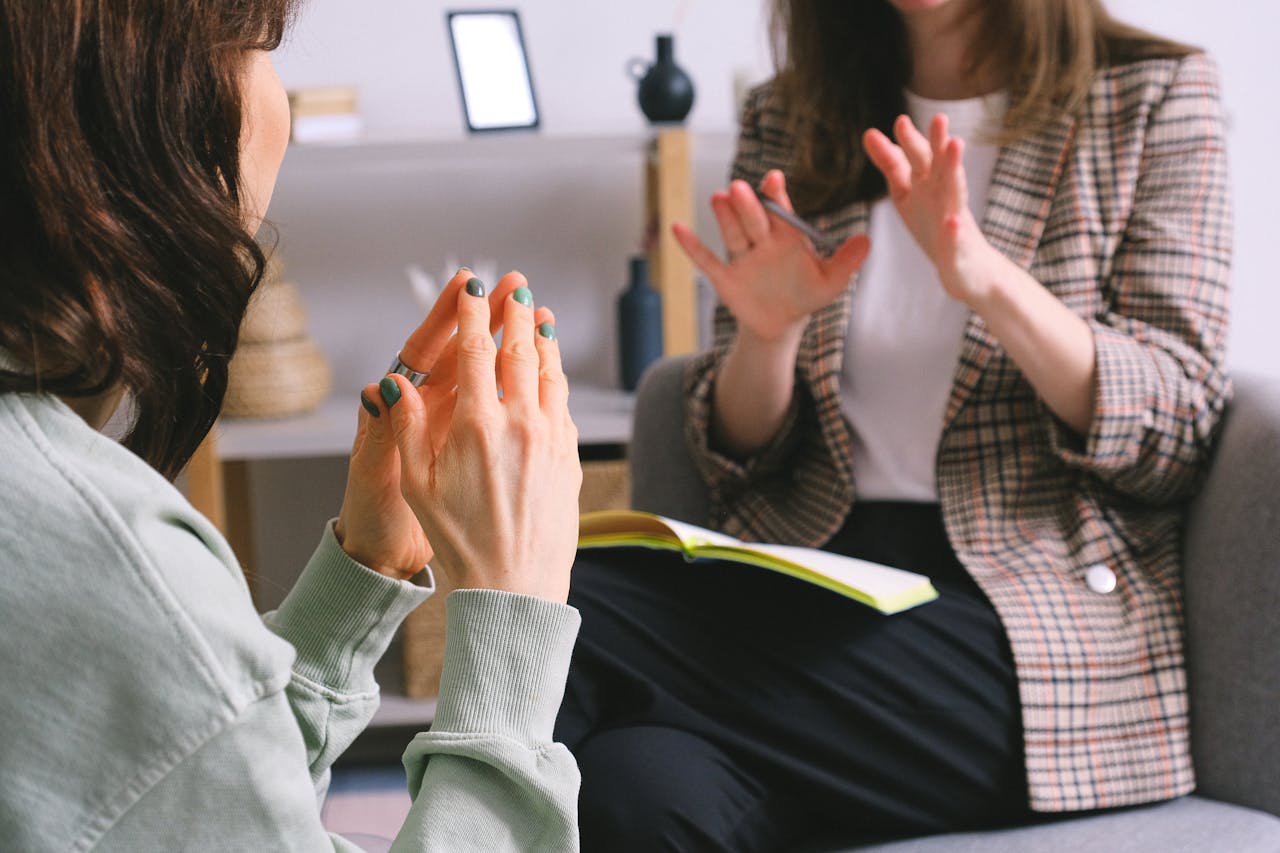
Nonverbal cues such as nodding, open body language and a steady tone reinforce a sense of safety and attention. These cues form part of strong nonverbal communication skills, which help clients feel heard even before they speak.
Developing empathy as a counsellor
Empathy in counselling can’t be manufactured, but it can be strengthened. Through role plays, reflective journalling and guided feedback, UNE students learn to remain person-centred and see clients as individuals rather than problems to be fixed.
Importance of nonverbal communication
Nonverbal communication builds trust. It conveys warmth and interest before any words are exchanged. Face-to-face sessions rely on posture and expression, while online and phone-based work requires careful attention to tone, pacing and clarity. Students are trained to adapt these nonverbal communication skills across different settings.
Enhancing your counselling skills
Techniques to improve counselling skills
Becoming an effective counsellor requires ongoing reflection and practice. Students are encouraged to:
- Observe experienced practitioners in supervised settings
- Practise skills in structured role plays
- Engage in peer supervision and feedback
- Reflect on personal boundaries and emotional responses
Resources available at UNE for skill enhancement
UNE offers a range of academic and practical resources to support developing counsellors, including:
- Online learning materials and case studies
- Academic advisors and professional mentors
- Placement opportunities in community and clinical settings
- Peer learning networks and supervision groups
Workshops and courses offered by UNE
Practical learning is built into UNE’s counselling units. Students attend intensive schools where they practise real‑world scenarios and receive feedback from lecturers and peers. Workshops focus on applied counselling techniques, ethics and professional development, so graduates are confident and ready to work with clients.
Who can benefit from having counselling skills?
Professionals who use counselling skills in various fields
Counselling skills are valuable across many professions, particularly roles that rely on communication and empathy, such as teachers, nurses, allied health workers, HR professionals, managers, social workers and youth workers.
Benefits for students and individuals in personal development
For students, learning counselling skills builds confidence and self-awareness. Many discover new career directions or client groups they’d like to support.
UNE's approach to broadening counselling skills usage
UNE encourages students to use counselling skills beyond traditional therapy settings. The emphasis on communication, empathy and reflective practice supports graduates in leadership, community engagement and workplace wellbeing.
Interpersonal skills in counselling
Building strong therapeutic relationships
The quality of the therapeutic relationship often determines outcomes. UNE teaches students to build trust through authenticity, consistency and non-judgement. Self-reflection and self-care are essential, including learning to sit with silence, maintain boundaries and understand one’s emotional responses.
Communication strategies in counselling sessions
Effective communication includes both verbal and nonverbal communication skills. Students learn to paraphrase, summarise, avoid jargon, set clear goals and wrap up sessions in a way that supports client wellbeing.
How UNE prepares students for real-world counselling
UNE’s counselling programs prioritise practical experience. Students complete supervised placements, simulated sessions and reflective learning designed to prepare them for professional practice.
Career opportunities
Exploring career paths with a counselling background
A counselling background opens pathways in::
- Mental health and wellbeing services
- Education and youth work
- Case management and community programs
- Organisational development, HR and leadership
- Family and relationship counselling
There is growing demand for professionals who can support psychological safety in workplaces and community settings.
UNE's support in career development and placement
UNE supports students with mentoring, placement options and academic guidance to help align studies with career goals.
Ready to develop your counselling skills?
UNE graduates build careers in diverse counselling and support settings. The programs are designed for people who want to work with purpose and perspective.
Explore UNE’s counselling courses online to strengthen your communication, empathy and professional practice.

